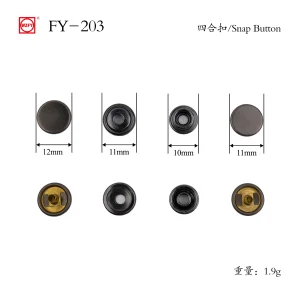
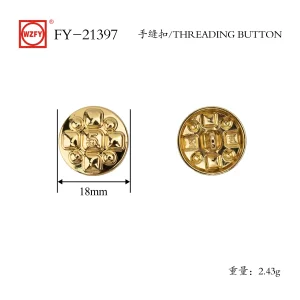
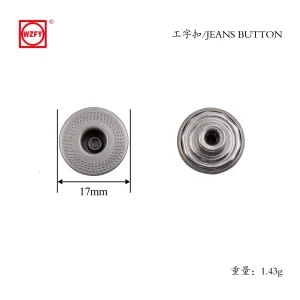
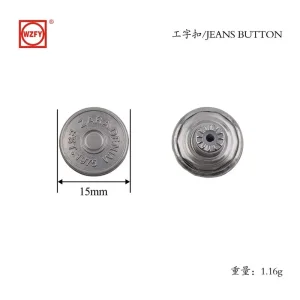
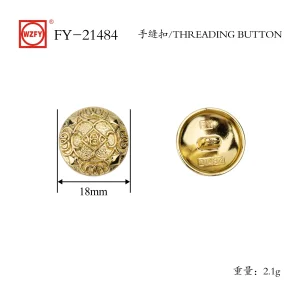
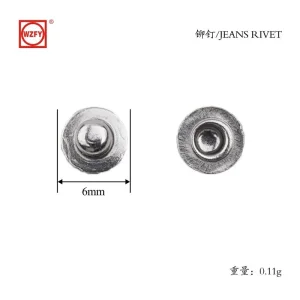
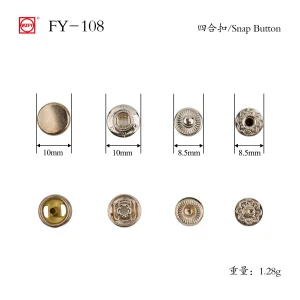
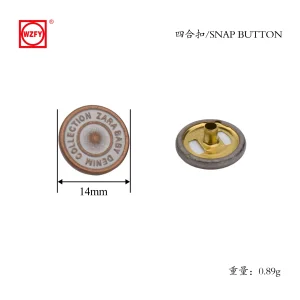
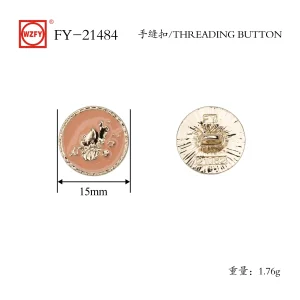
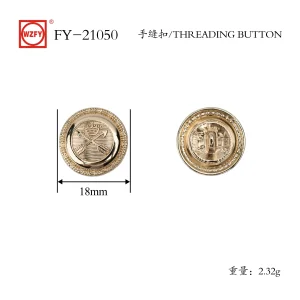
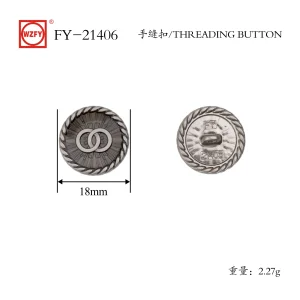
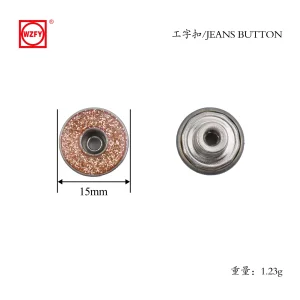
Explore our foundational selection of high-durability buttons, rivets, and hardware engineered for structural integrity and high-definition brand detailing.
An authoritative breakdown of zinc alloy (ZAMAK) advantages, manufacturing evolution, and global procurement paradigms.
Within the modern textile and hardware industry, the material composition of functional trims determines both the longevity of the final product and the cost-efficiency of global mass production. Traditionally, brass and iron dominated the field of clothing buttons and accessories. However, the rise of Zinc Alloy die casting, specifically utilizing ZAMAK 3 and ZAMAK 5 formulations, has introduced a monumental shift in manufacturing capabilities.
Unlike steel or brass, zinc alloys offer exceptionally low melting points combined with high fluidity. This metallurgical property allows high-pressure injection molding machines to fabricate incredibly complex shapes, debossed lettering, and fine textures down to decimal-millimeter tolerances. Additionally, zinc alloy exhibits minimal shrinkage during cooling, guaranteeing uniform dimensioning essential for automated pneumatic setting machines used in modern garment factories.

Global brands and supply chain controllers operate under strict regulatory watchdogs. Sourcing managers must satisfy international criteria, such as the EU REACH regulation, CPSIA standards in the United States, and GB18401 standards in China. In practice, this means every metal button, eyelet, and rivet must be strictly monitored for chemical emissions. High-quality zinc alloy buttons are produced using lead-free and nickel-free formulations to prevent contact dermatitis and ecological damage.
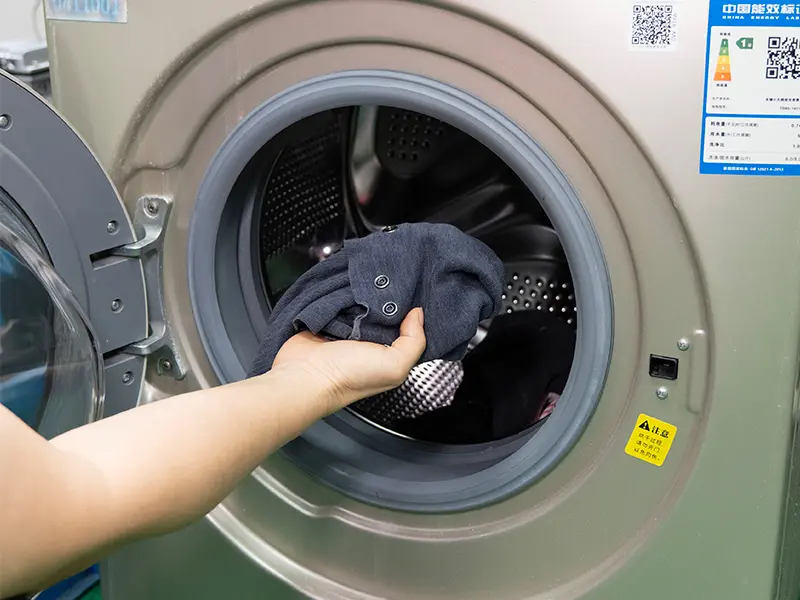
Furthermore, corrosion resistance tests are standard practice. High-level manufacturers perform 24- to 48-hour continuous salt spray testing (ASTM B117 standards) to ensure that electroplated finishes (like gold, antique brass, black nickel, and copper) do not peel, discolor, or stain fabrics during distribution, long-term storage, or multiple laundering cycles.
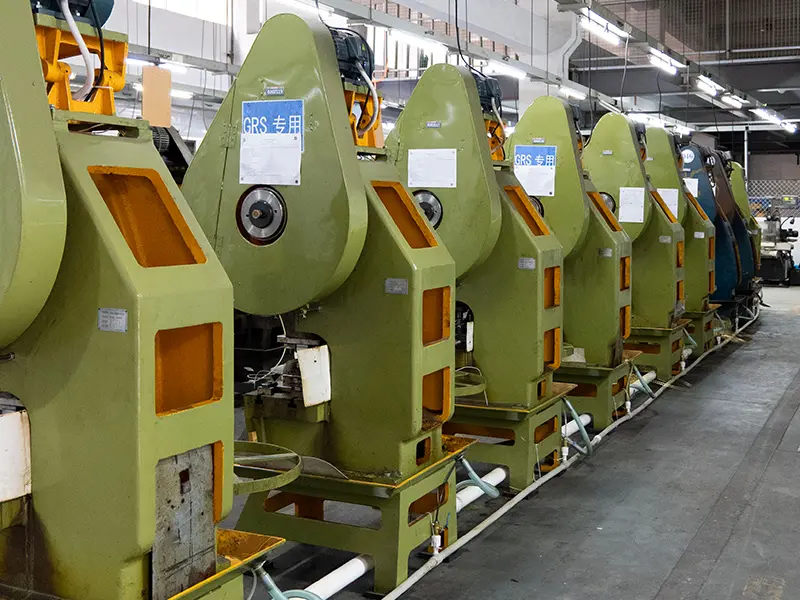
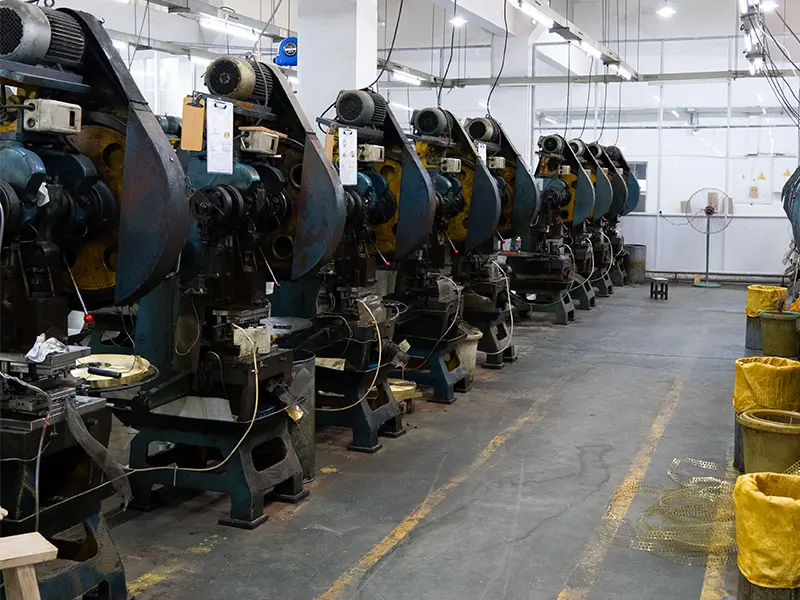
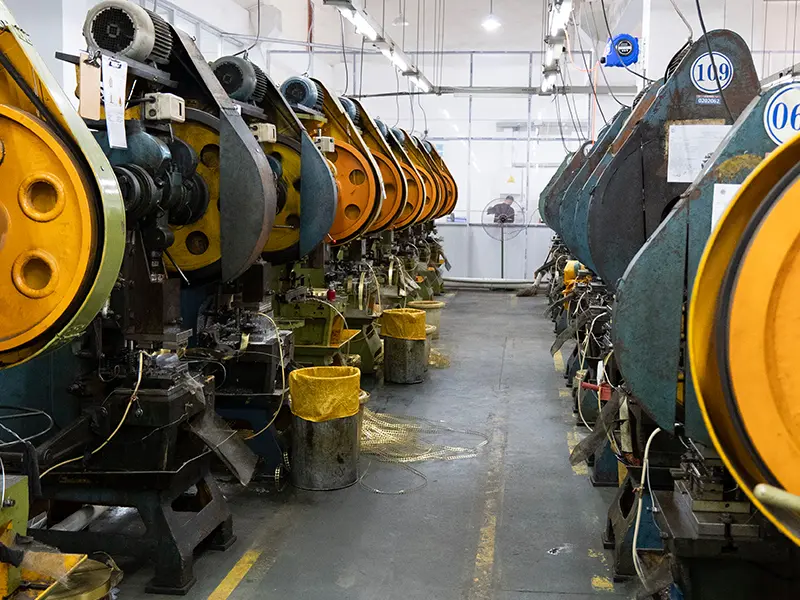
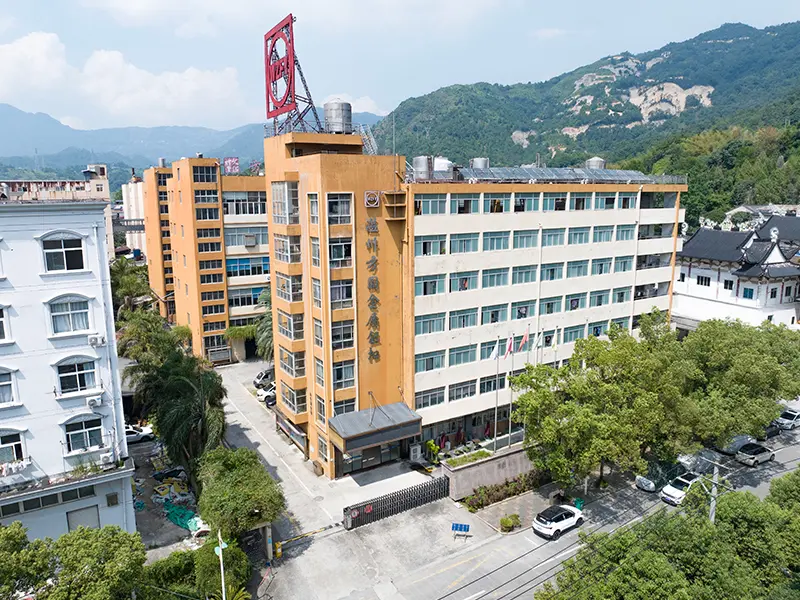
Operating out of Qiaotou, Wenzhou—widely recognized as China's largest button and clothing accessory manufacturing and distribution cluster—Wenzhou Fangyuan Metal Button Co., Ltd. embodies the transition into Factory 4.0. With an area of 30 mu (approximately 16 acres) and a layout containing 15,000 square meters of production workshops, our facility integrates automated hot-chamber die-casting machines, multi-spindle automatic tapping equipment, and computer-numerical-controlled (CNC) mold-making machinery.
This localized concentration of material inputs, design engineers, electroplating facilities, and distribution channels builds outstanding supply chain resilience. During periods of logistics volatility, the geographic synergy of the Wenzhou hub ensures that raw materials remain accessible and orders are executed without production bottlenecks, supporting a production value exceeding 100 million RMB annually.
Detailed design specifications, material compositions, and dimensional guidelines mapped to international textile standards.
Materials: Copper, brass, iron, stainless steel, and zinc alloys.
Dimensions: Available from 7.5mm up to 21mm outer diameter.
Minimum Order Quantity: 50,000 units for iron compositions; 20,000 units for brass and stainless steel setups.
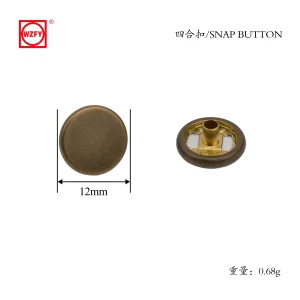
Structure: Double-ring fixed I-beam buckles, hollow-face prongs, and flat cap setups.
Finishes: Eco-friendly, nickel-free plating. Customized embossed stamping available.
Application note: Pre-punching tests are recommended on multi-layered fabrics to optimize setting tool performance.
Materials: Solid corrosion-resistant brass wire and zinc alloy injection framing.
Target Design: Gardener's trousers, heavy dungarees, workwear overalls, and bags.
Functionality: Integrated sliders allow length adjustment while maintaining high grip stability.
How metal hardware adapts to diverse aesthetic codes and structural needs across the textile industry.
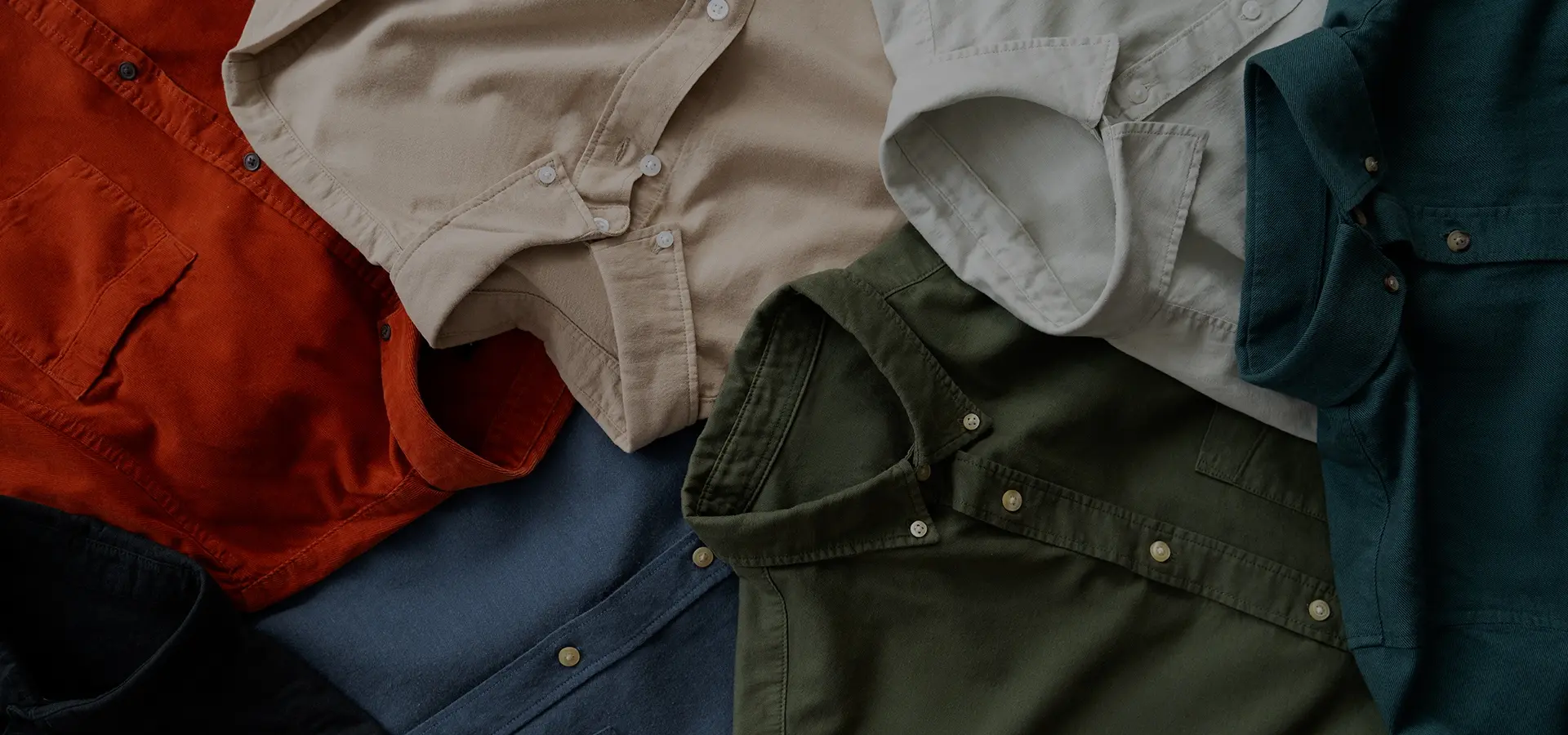
Focuses on functional comfort and everyday elegance. Small-scale metal buttons provide clean closures and subtle branding assets.
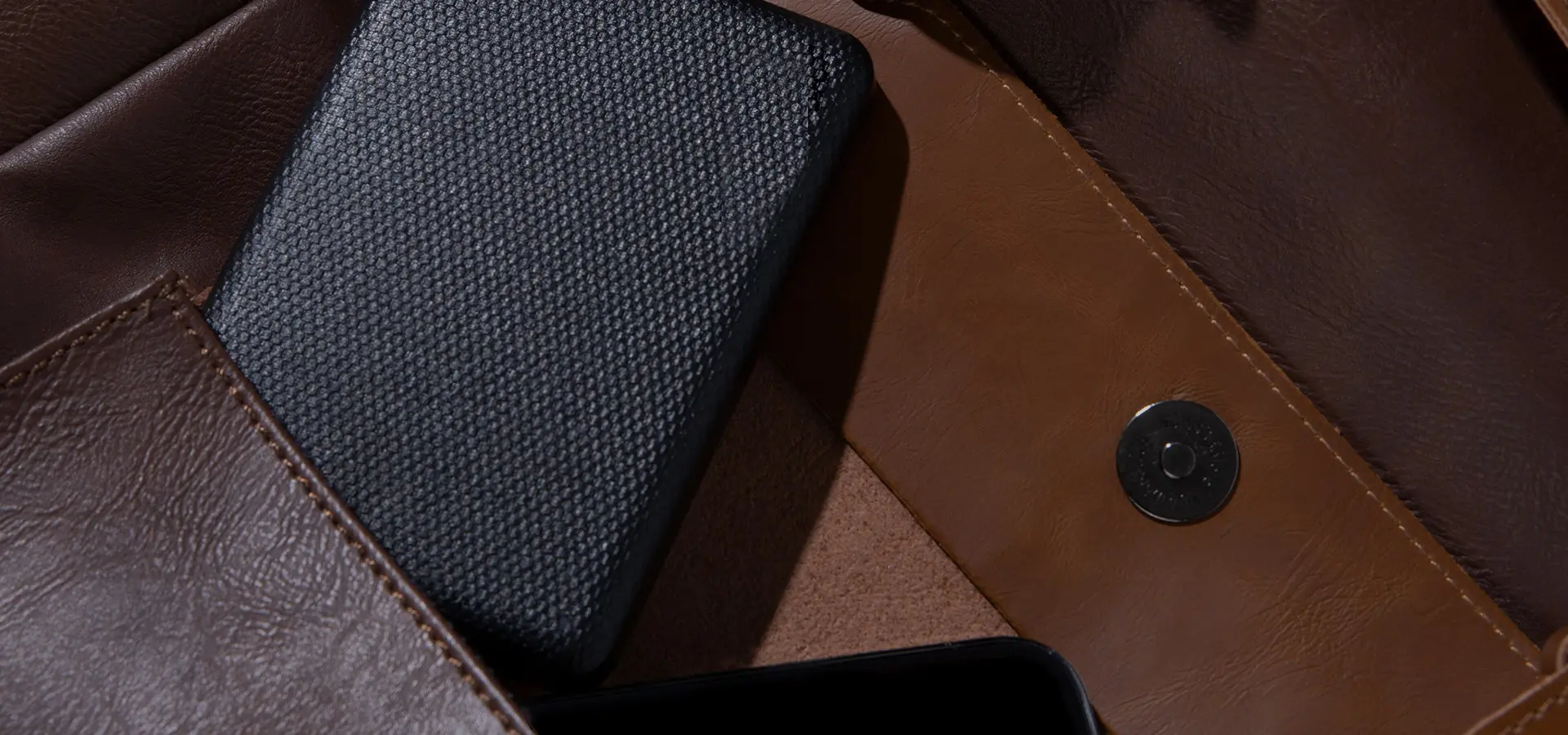
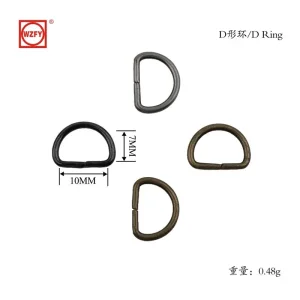
Engineered for extreme wear, secure closures, and load bearing. Solid D-rings and double-capped rivets reinforce critical stress points.
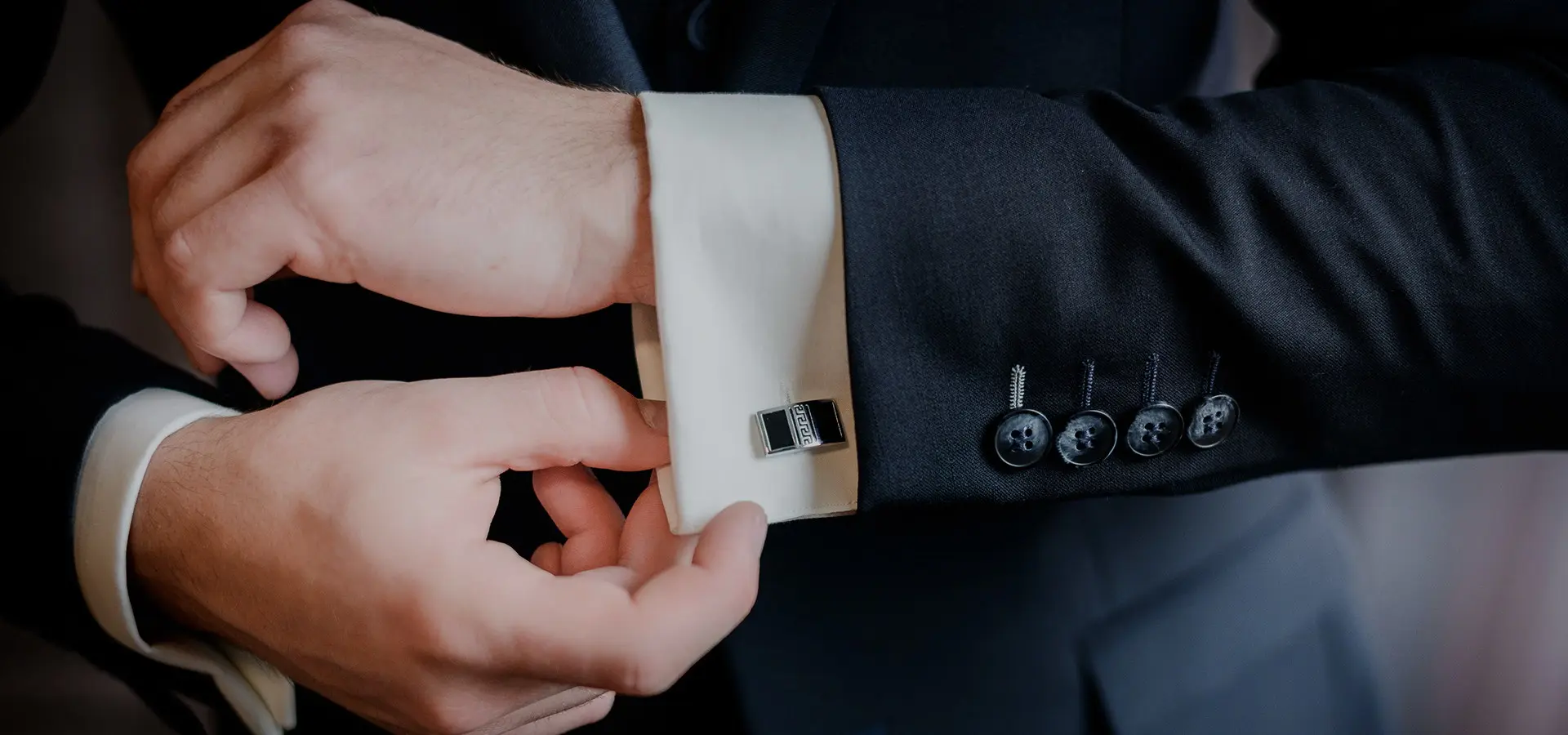
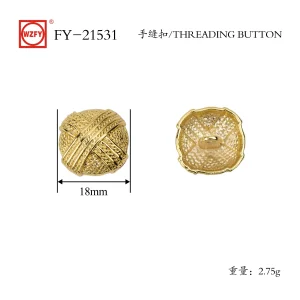
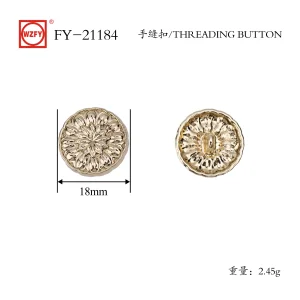
Detailed shanks and zinc alloy die-cast crests form the aesthetic focal point of premium uniform jackets and formal blazers.
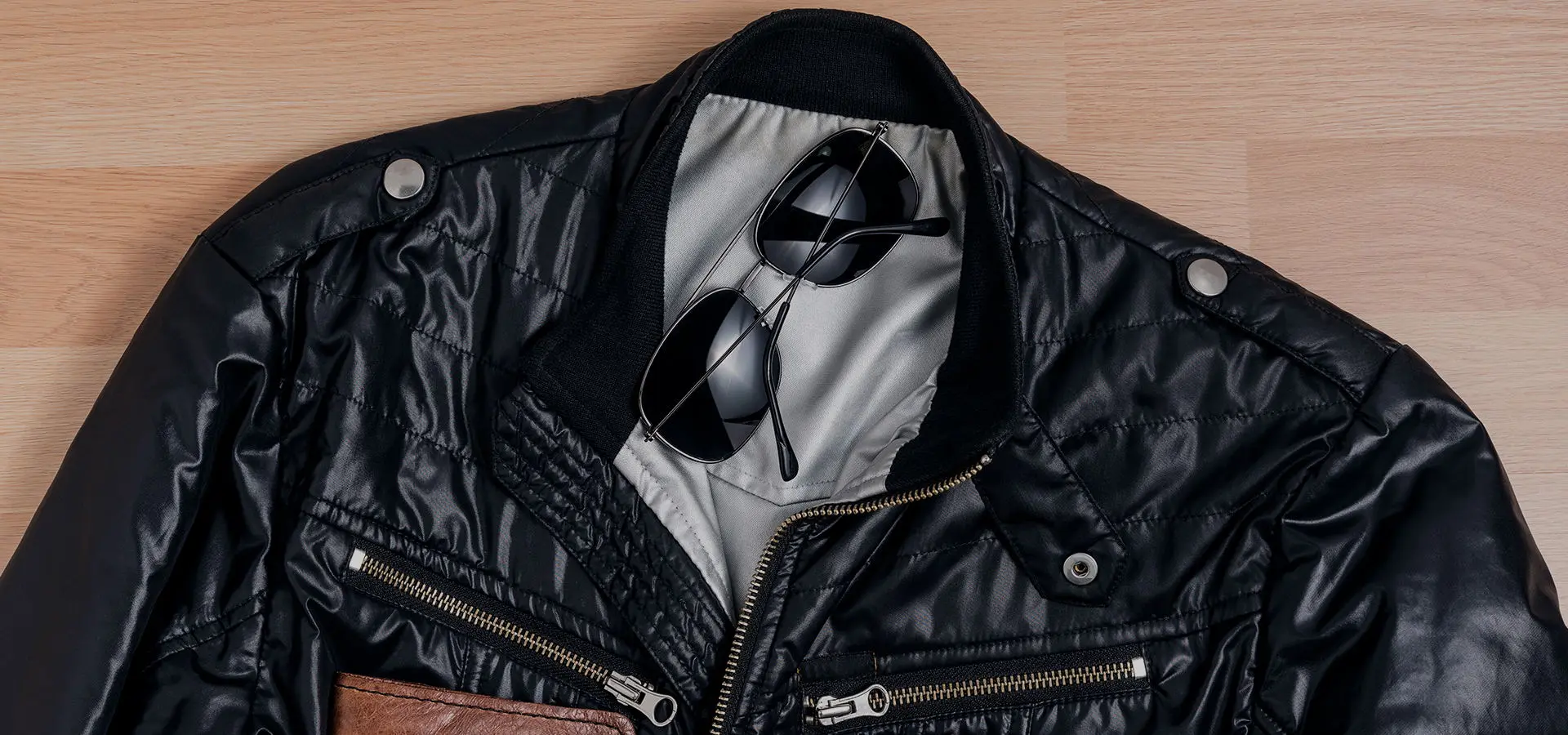
Requires high-strength closures and solid aesthetic weight. Thick snap buttons and structural rivets complete the outer silhouette.
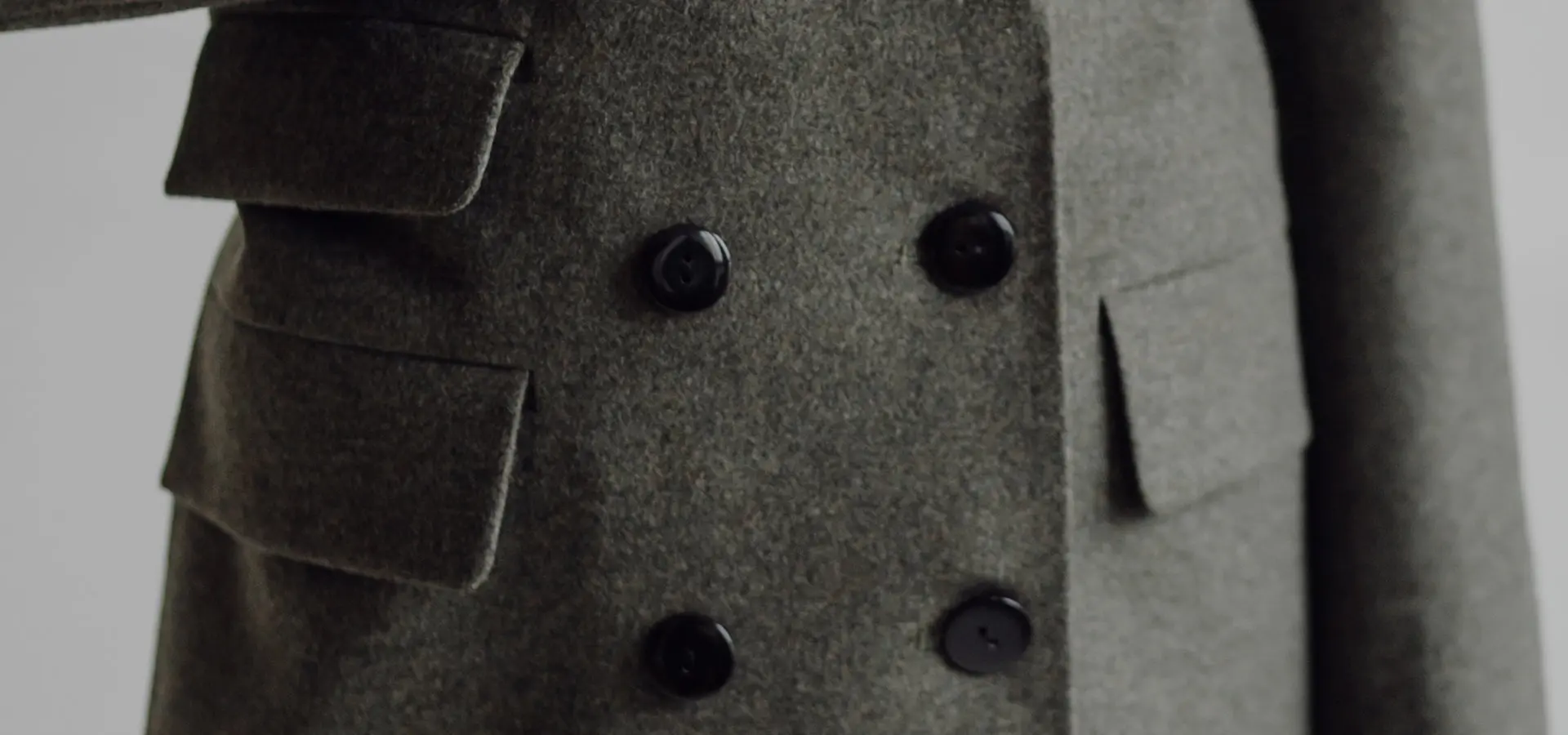
Prioritizes windproof functionality. Rustproof brass and zinc alloy buttons shield inner linings from cold air and moisture.
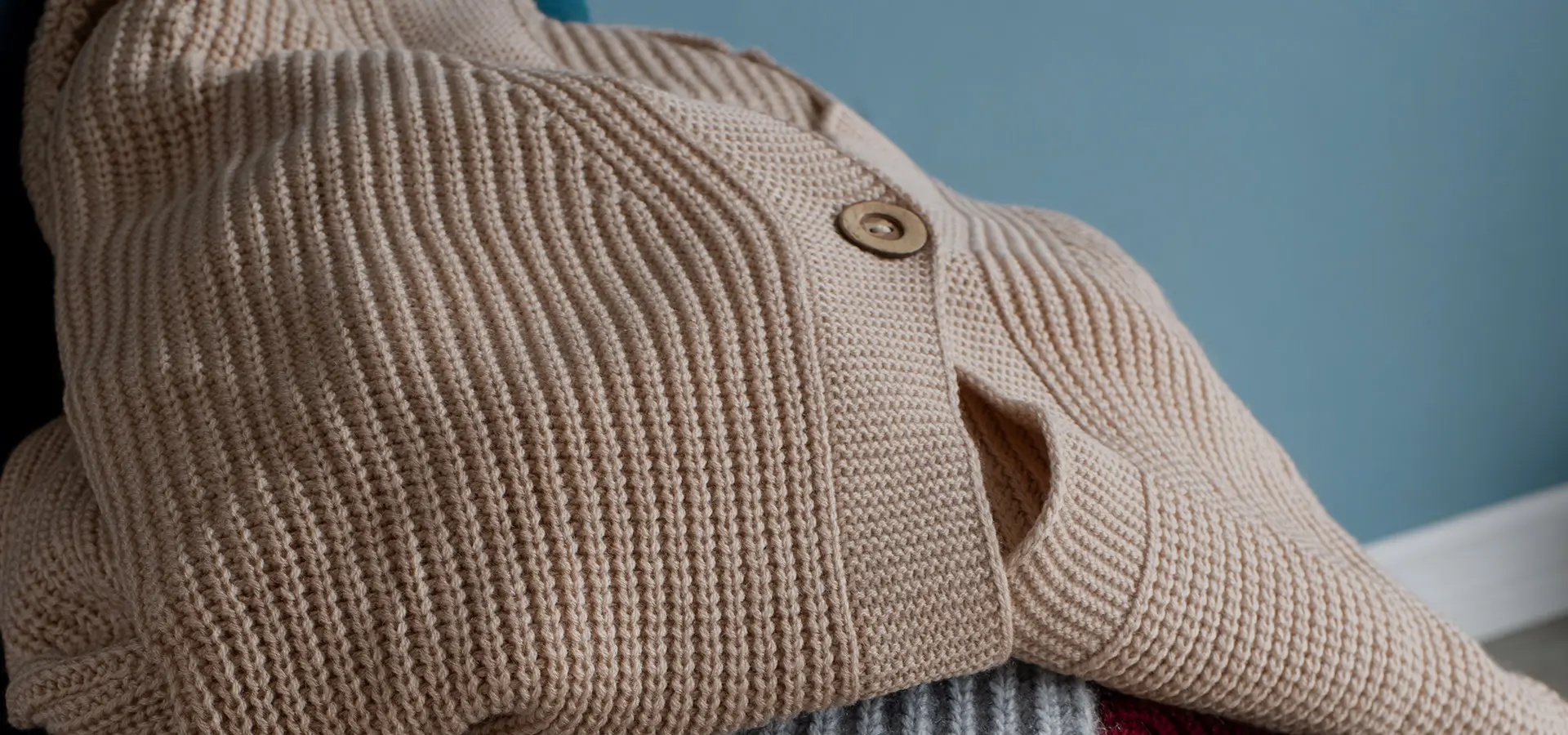
Requires lightweight designs to prevent fabric sagging. Intricate zinc alloy backings add contrast to open-stitch cardigans.
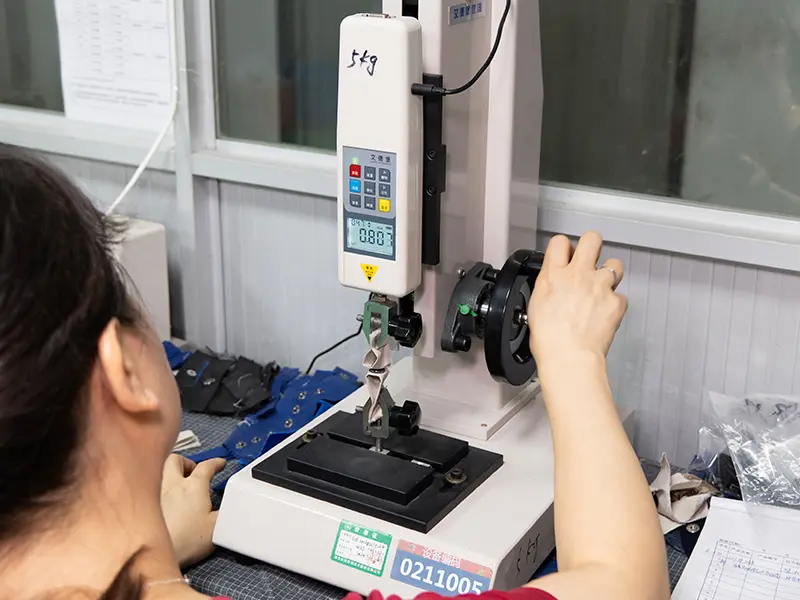
Quality management is a core commitment. Our manufacturing processes conform to international standards, verifying our status as a reliable exporter.
Every shipment is backed by testing reports covering pull strength, lead content, and salt-spray corrosion resistance, ensuring problem-free processing in automated setting lines.
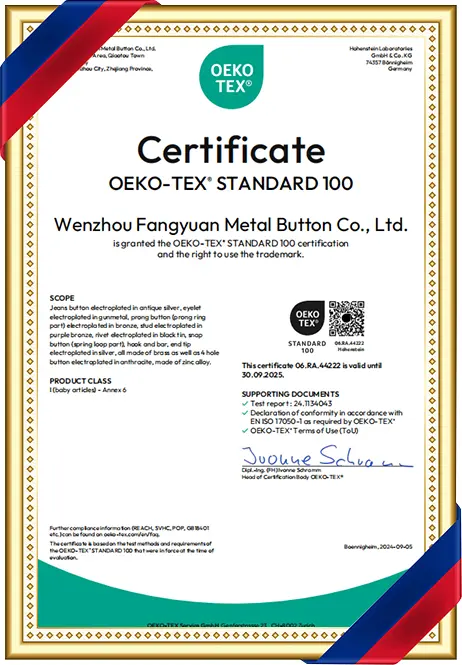
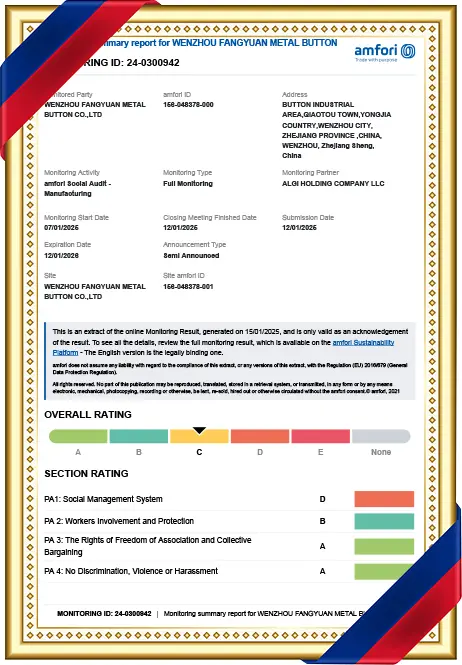
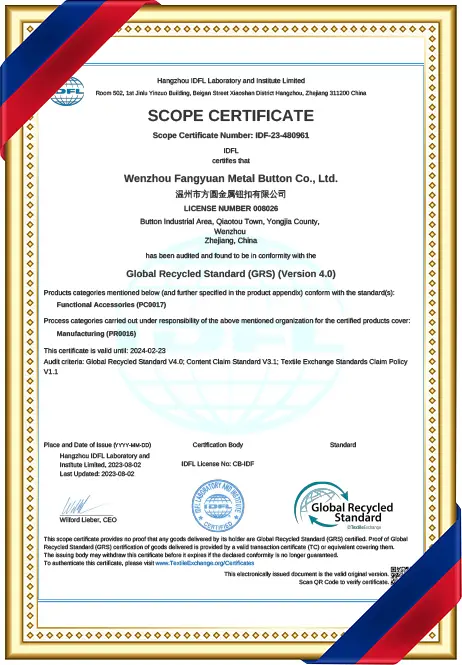
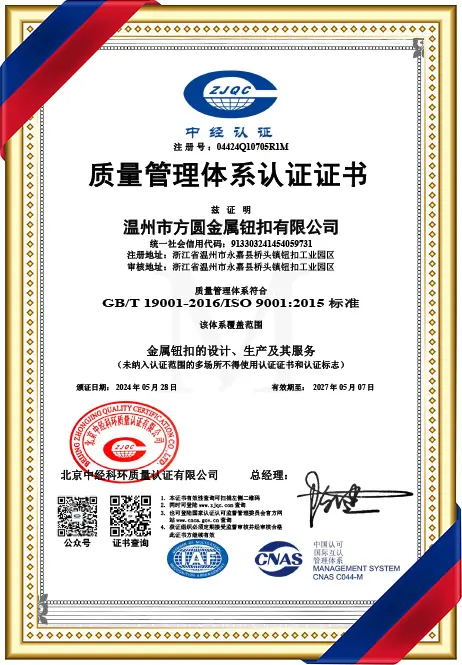
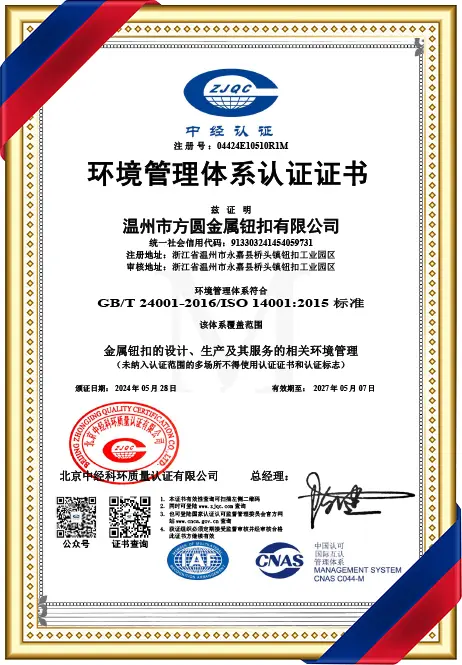
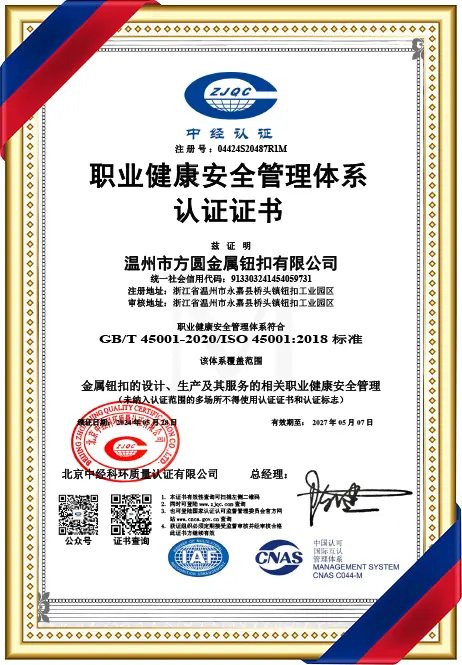
Inside Wenzhou Fangyuan Metal Button Co., Ltd. Where traditional metalwork meets automated machinery.
In-depth responses to critical engineering, design, and supply questions commonly raised by global textile buying groups.
Explore our highly specialized structural collection, featuring double-loop buckles, vintage threading buttons, and high-tensile hardware.
 Fangyuan Metal Button