Explore our premium range of custom metal components, engineered to meet rigorous international standards for duribility, finish, and structural strength.
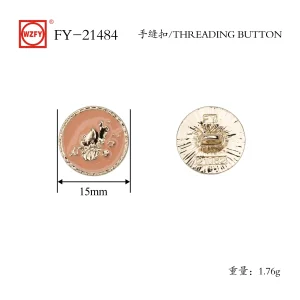
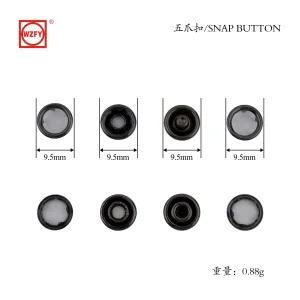
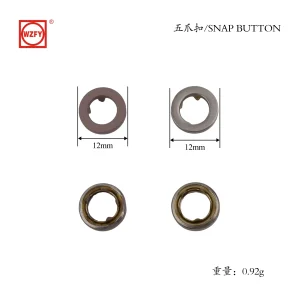
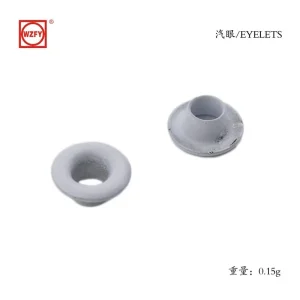
In modern industrial fashion, functional gear, and tactical equipment design, hardware selection plays a critical role in determining overall system longevity and brand value.
Matte eyelets—traditionally defined as low-reflectivity circular reinforcements clamped through fabric, leather, or composite materials—have transformed from basic functional connectors into premium aesthetic statements. Their primary design objective is to provide structural reinforcement to openings while absorbing ambient light, preventing visual glare, and delivering a clean, sophisticated, and contemporary finish.
From an engineering standpoint, manufacturing a high-grade matte finish on brass, copper, stainless steel, or zinc alloy requires precise electro-chemical process control. Standard eyelets undergo heavy polishing and bright electroplating, resulting in a high-gloss finish. In contrast, matte eyelets demand fine-mesh sandblasting, chemical etching, or custom matte lacquer coating processes. These operations micro-texture the outer surface of the metal, scattering incoming light rays in multiple directions instead of reflecting them back in parallel angles. This optical scattering is what gives the matte surface its premium, smooth, and soft-to-the-touch aesthetic.
Furthermore, maintaining the durability of a matte layer during mechanical deformation is a significant challenge for industrial designers. When an eyelet is crimped onto a substrate using an automatic punching machine, the flange expands and folds backward. This structural deformation generates intense friction and pressure. Low-quality matte finishes will chip, crack, or peel off during this process, exposing the raw metal beneath and inviting early corrosion. Our advanced OEM engineering protocols utilize specialized elastic binders in our matte lacquers and ultra-thin electrophoretic deposition (EPD) technology to ensure that the matte finish stretches seamlessly alongside the parent metal during application.
Founded in 1995 and strategically located in Qiaotou, Wenzhou—globally recognized as China’s largest and most advanced button manufacturing cluster—we are a premier developer of high-quality metal buttons and clothing accessories. WZFY spans 30 mu (approximately 16 acres) of modern, vertically integrated manufacturing space, encompassing 15,000 square meters of production facility.
Our operations employ over 500 skilled professionals, including more than 90 dedicated technical experts and senior quality control managers. With a robust annual output value exceeding 100 million RMB, we combine state-of-the-art multi-stage progressive stamping presses, automated precision machining centers, and eco-friendly electroplating lines to support the global apparel and accessory industry.
Through our comprehensive OEM and ODM support programs, we provide design consultation, rapid prototyping, and volume production capabilities for metal buttons, jeans rivets, trouser hooks, adjustment buckles, and specialized eyelets. We hold complete import and export autonomy, seamlessly shipping to major global markets across Europe, North America, Southeast Asia, and the Middle East.

How China's industrial clusters enable unparalleled quality, speed, and cost-efficiencies for global brands.
Located in the heart of Qiaotou, Wenzhou, WZFY utilizes direct access to localized raw material refineries, high-precision tooling makers, and chemical treatment specialists. This intense geographic proximity shortens product development lifecycles from months to days, allowing us to respond quickly to market demands.
Our matte processing capabilities utilize cutting-edge physical vapor deposition (PVD) and eco-friendly electrophoretic painting. These processes apply a uniform, micro-textured barrier to prevent rust, increase salt-spray test tolerance to 96+ hours, and survive heavy commercial garment washes without peeling.
With an annual output value of 100M RMB and our expansive 15,000 sqm floor, we can seamlessly scale from specialty prototype batches to multi-million unit contracts. Automated continuous optical inspection systems verify dimensional tolerances at line speeds, minimizing structural errors.
From practical, high-stress luggage applications to elite runway suits, metal trim decisions dictate final product success.
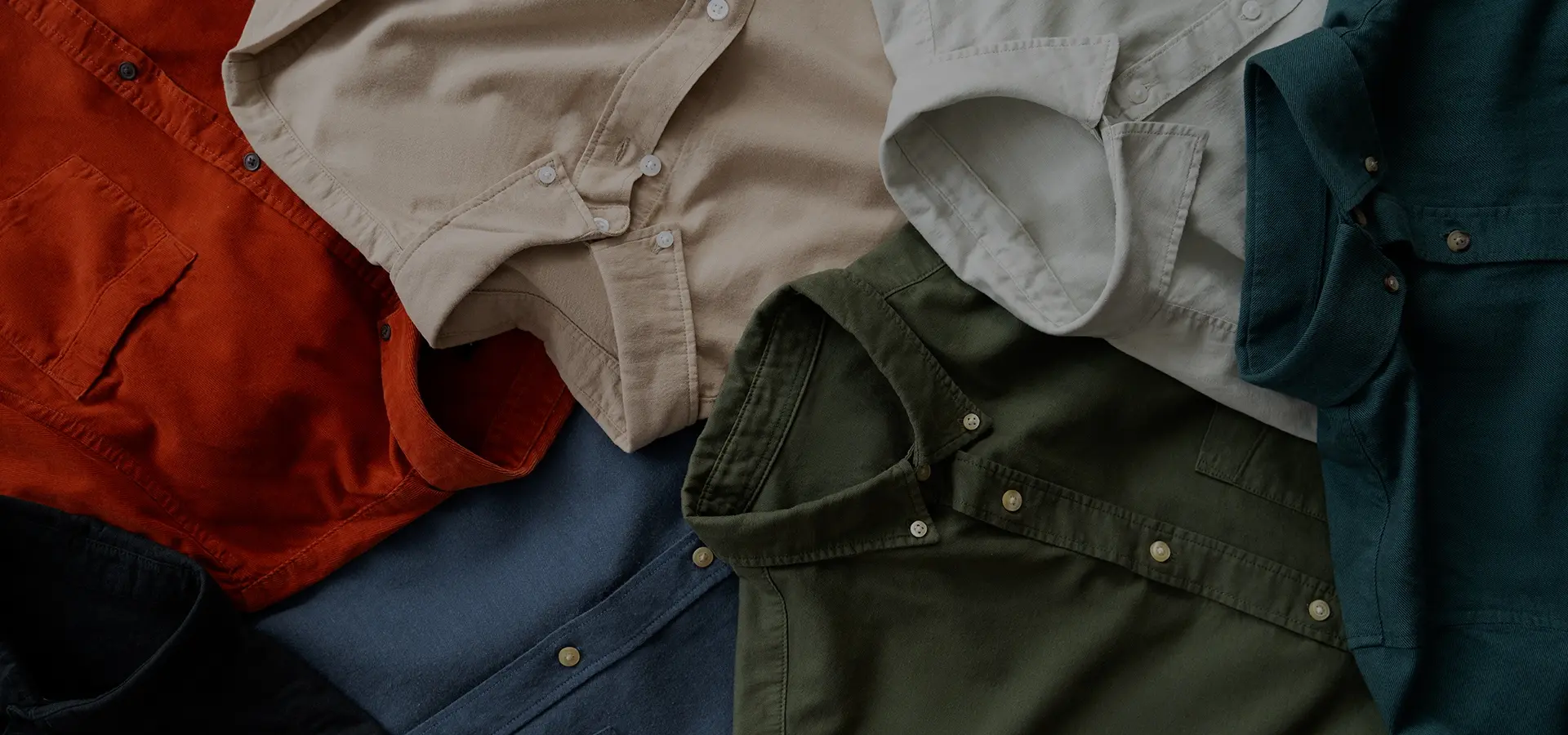
For fine dress shirts, linen wear, and casual shirting, buttons and micro-eyelets must be "practical first, with etiquette as a secondary consideration". Matte eyelets add a modern, utilitarian design line that enhances the fabric silhouette without looking overly reflective.
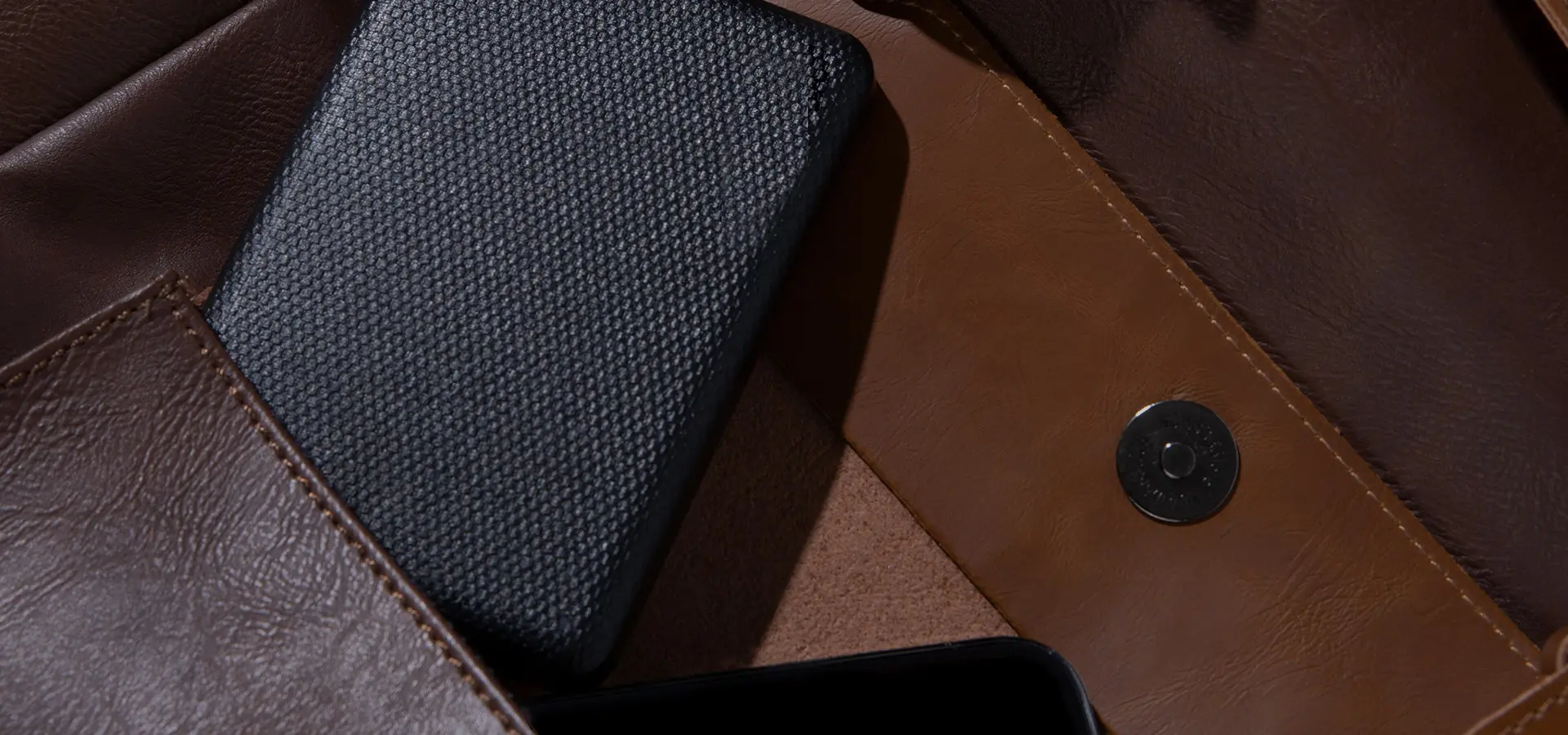
Luggage hardware is centered on "auxiliary fixation and enhanced protection". Matte grommets and brass eyelets provide reinforcement for drawstrings, cord paths, and ventilation ports, surviving heavy impacts and harsh environmental exposure.
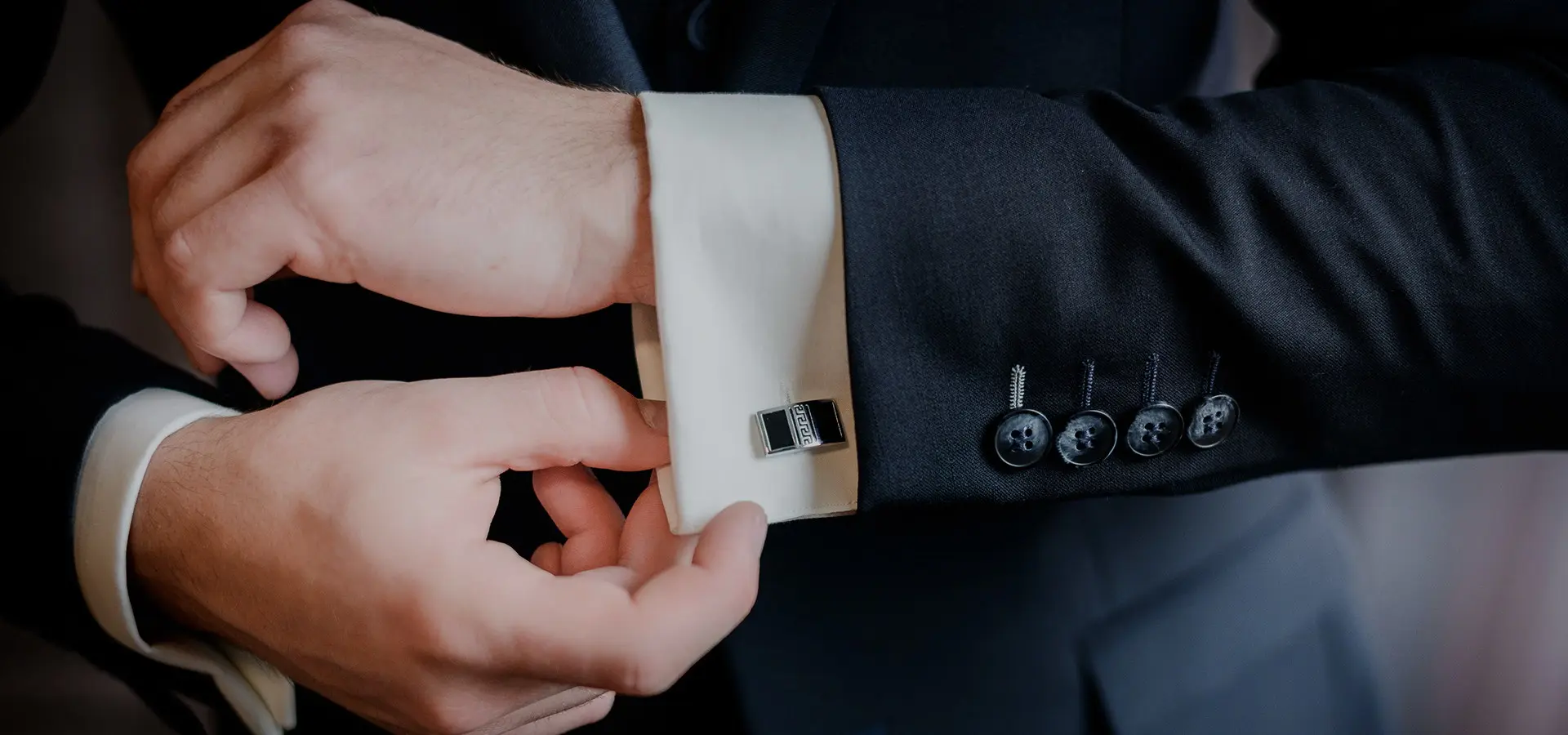
The buttons of a suit are at the core of shaping the silhouette and expressing etiquette. Our custom-threaded metal vintage buttons and subtle eyelet lapel detailing raise the quality of blazers, uniforms, and formal wool coats.
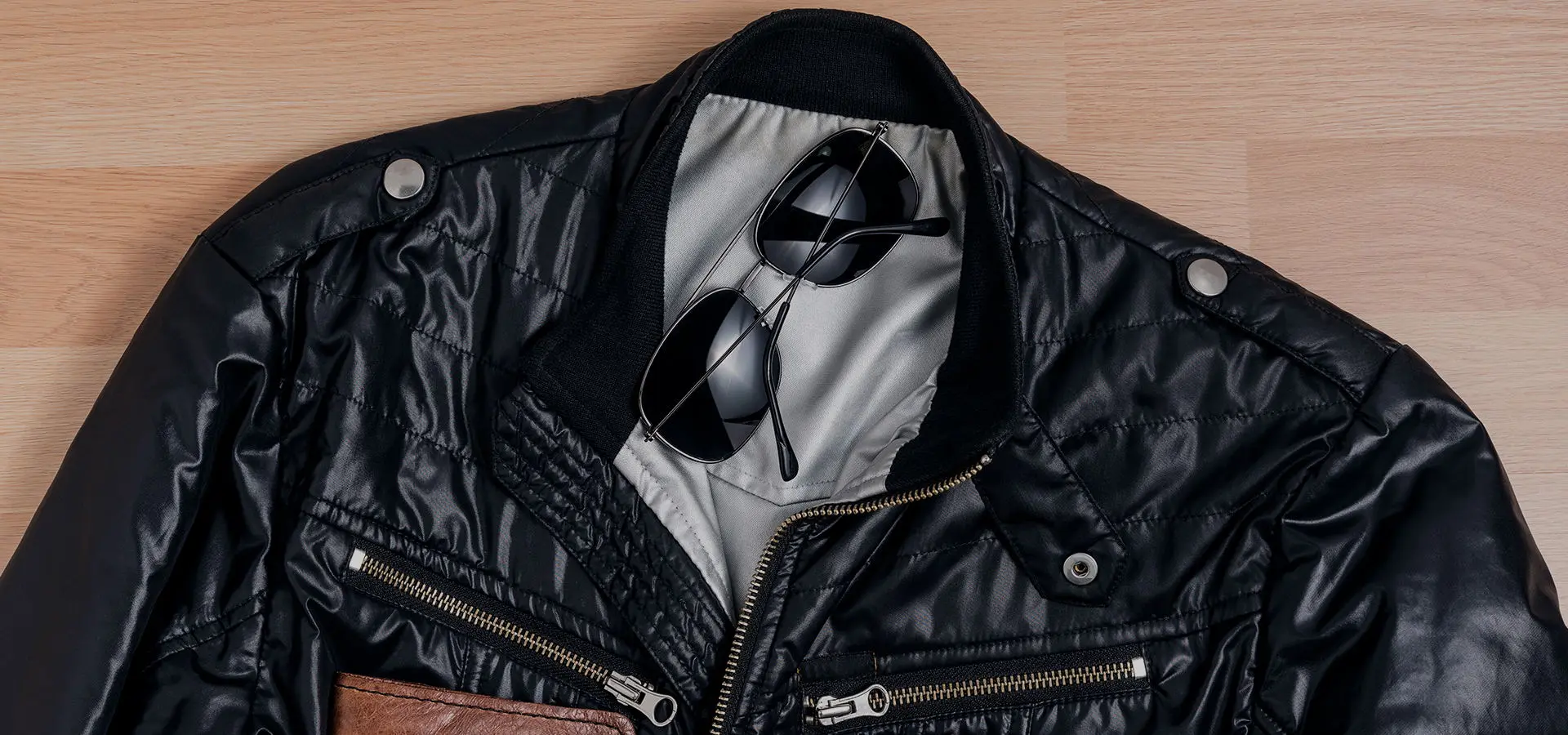
Leather jacket components demand a "hard verification + style enhancement" philosophy. Low-profile matte eyelets and heavy snap buttons sit cleanly in thick hides, providing robust mechanical performance without tarnishing the leather.
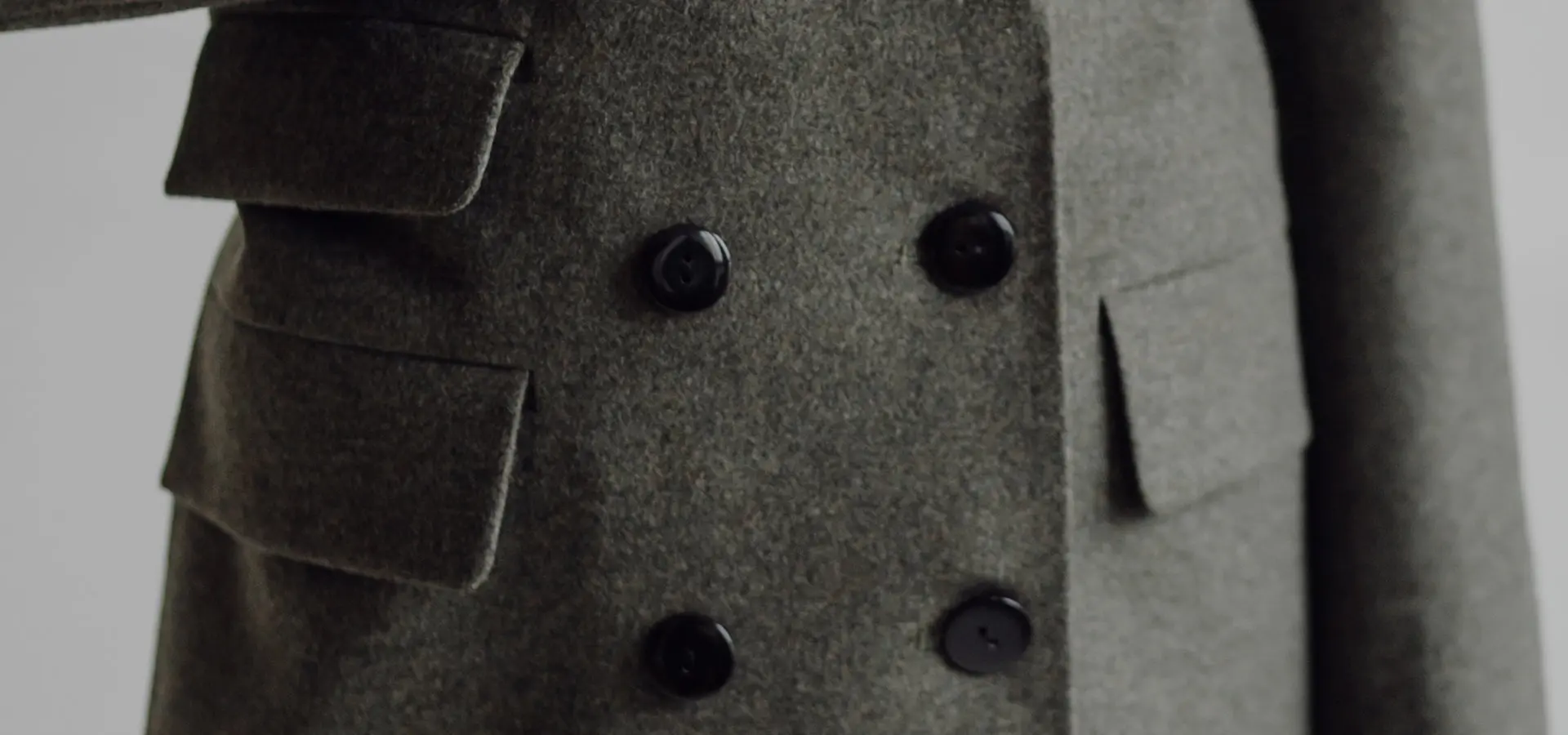
Windbreaker buttons balance "windproof practicality" and "styling". Underarm ventilation eyelets require corrosion-resistant matte brass alloys, ensuring comfort and heat dissipation under humid, rainy conditions.
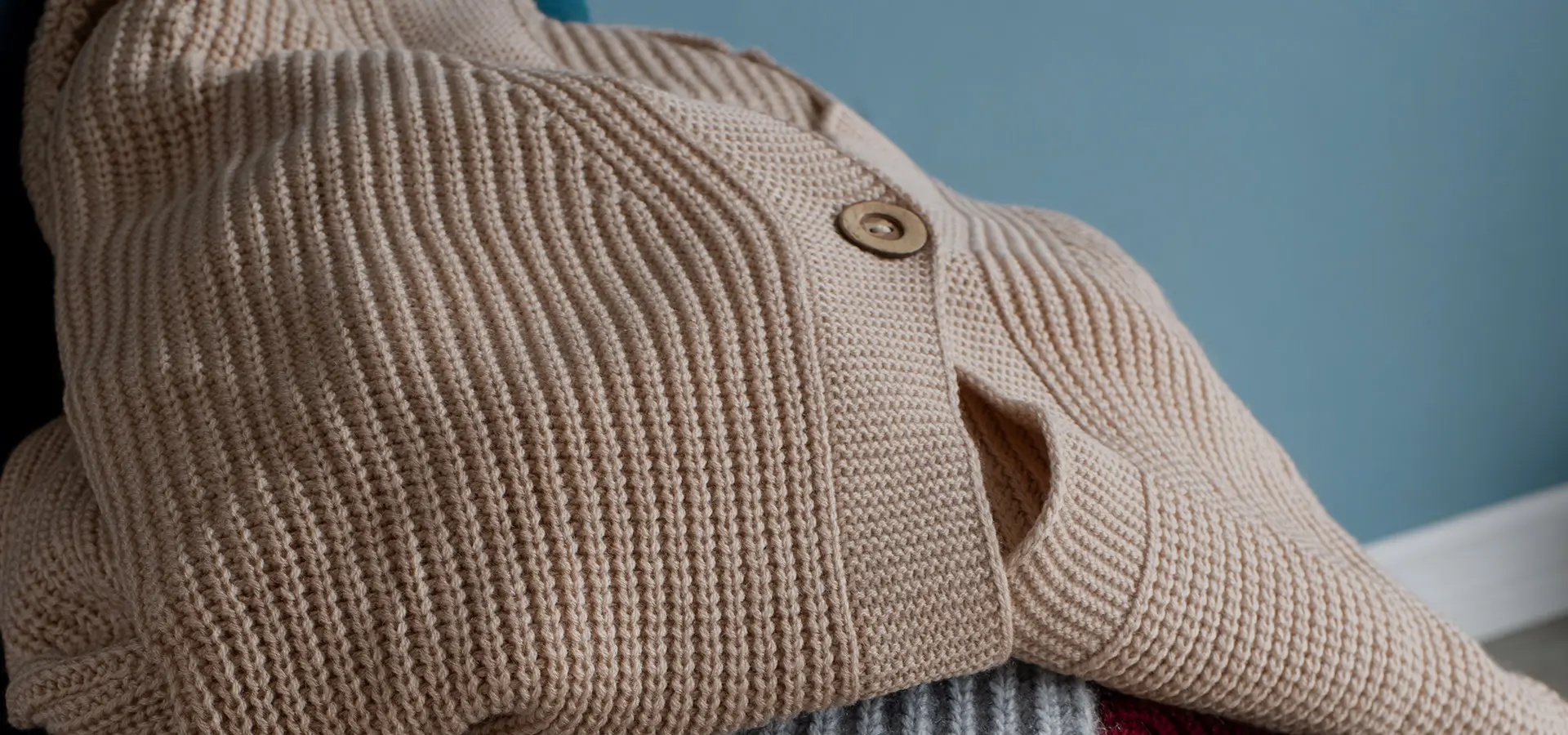
Sweater fastening solutions center on "comfort and convenience + light decoration". The soft, flexible structure of knits requires broad-flange eyelets and backing washers to prevent yarn pull-through and structural fraying over time.
We work with a variety of materials and testing protocols to ensure all components fit your design guidelines perfectly:
Beyond matte eyelets, WZFY supports an expansive selection of vintage and contemporary hardware solutions. This includes our classic line of salopette/suspender buckles, formed from corrosion-proof brass wire, adjustment buckles for bags, and flat-capped industrial jeans rivets.
Our research laboratory works directly with your apparel mock-ups to run stress-testing, analyzing the thickness and pile difference of your fabric beforehand. This proactive testing approach ensures that we recommend the correct shank length and eyelet backing washer, eliminating fabric deformation during automated pressing.
Enterprise procurement directors look for more than just low costs; they require reliable, worry-free scaling, certified sustainability, and consistent metal quality.
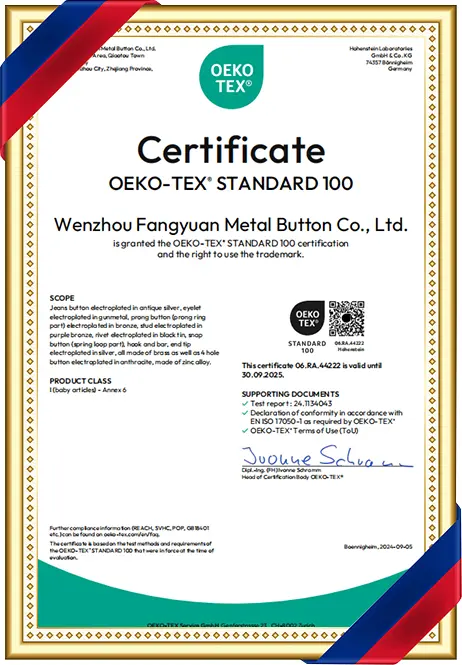
Western garment regulations demand strict limits on lead, cadmium, and nickel. WZFY raw brass feedstocks and matte finishing baths are monitored through regular testing, guaranteeing zero-nickel skin sensitivity and full compliance with Oeko-Tex Standard 100.
On safety-critical products, like children’s wear or safety harnesses, eyelets and five-prong snaps must meet precise pull-strength thresholds (often minimum 90 Newtons). Our eyelet geometries distribute crimping forces evenly to prevent pull-outs.
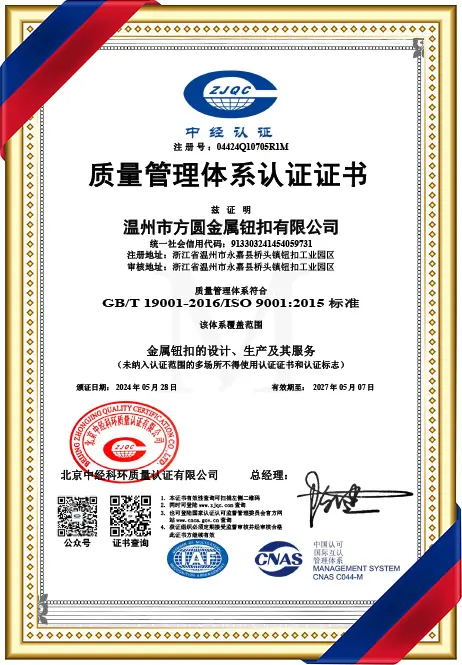
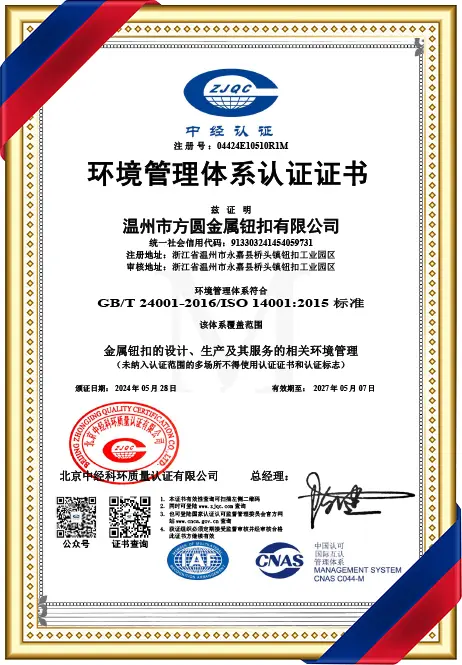
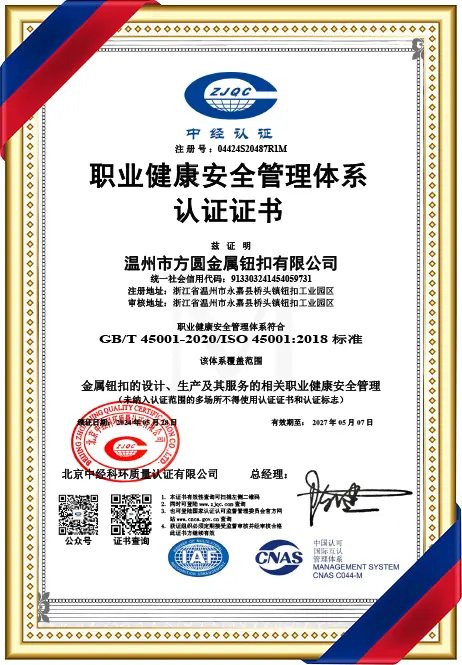
We operate under strict ISO9001:2008 Quality Management Systems and ISO14001:2004 Environmental standards. This dual integration guarantees full tracing of raw materials, green manufacturing processes, and clear testing records.
WZFY is audited and certified by leading global compliance programs, ensuring environmental safety and manufacturing quality.
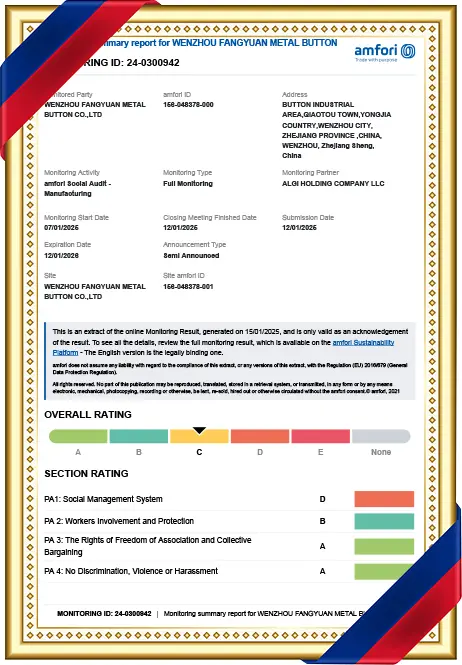
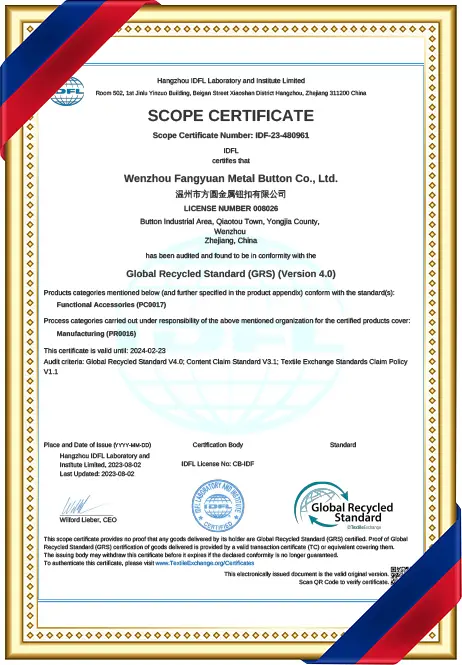
The garment accessories sector is shifting toward circular supply chains, smart sorting technologies, and high-performance, non-toxic materials.
The garment trim industry is rapidly changing. Fast fashion brands and performance apparel giants alike are focusing on design for circularity. What this means in practice is that accessories must be easily separated from the parent garment during recycling, or composed of identical metallic materials (like pure monometallic brass or copper) that can be melted down directly without chemical sorting.
Simultaneously, manufacturing technologies are adopting advanced visual sorting engines. At Wenzhou Fangyuan, we are introducing high-speed camera sensors into our packaging systems. These sensors check every single eyelet, button, and rivet to verify that flange curves and internal diameters match exact specifications. This reduces error rates down to under 50 units per million. This level of consistency is essential for automated, high-speed pneumatic eyelet setters used by modern garment factories globally.
Expert answers to critical technical questions surrounding matte eyelets, manufacturing tolerances, and quality testing.
H65 brass contains approximately 65% copper and 35% zinc, offering an optimal balance of malleability and strength. During the eyelet setting process, the metal must bend backward without cracking. Lower-grade brass or iron alloys can fail or split at the barrel edge, whereas H65 rolls smoothly, creating a reliable, round flange on the fabric.
Traditional metal plating often uses a nickel layer as an undercoat to build up corrosion resistance. To deliver true nickel-free components that meet Oeko-Tex Standard 100, we replace the nickel step with custom acid copper plating or specialized organic barrier coatings. This process prevents skin contact reactions while maintaining excellent rust resistance.
Brass eyelets are naturally rustproof, making them ideal for high-end clothing, marine products, and items that require frequent laundering. Iron eyelets are more economical and stronger, but they will eventually rust if their outer coating is damaged. We recommend brass for apparel and iron for dry-use packaging or short-term displays.
Yes. Our custom OEM services allow us to match specific Pantone color codes or physical fabric samples. By adjusting the pigment ratios in our electrophoretic paint baths, we can apply matte eyelets in exact matching shades, including classic army olive, navy blue, soft sand, and custom bright neon colors.
The correct barrel height is calculated by adding the compressed thickness of your fabric/leather to the required flange roll-over height (usually 1.5mm to 2mm). If the barrel is too short, the eyelet cannot secure the material; if too long, the flange will warp. Our technicians analyze your fabric samples to recommend the perfect match.
We provide comprehensive inspection reports for each production batch. This testing suite includes salt spray testing (ASTM B117) to measure corrosion resistance, tensile strength testing to evaluate pull-out resistance, and needle detector testing (for steel-free copper eyelets) to ensure safe passage through apparel safety systems.
Explore our classic, durable, and highly functional buttons, snap fastners, and plate panels engineered for global fashion exports.
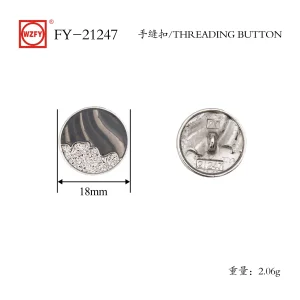
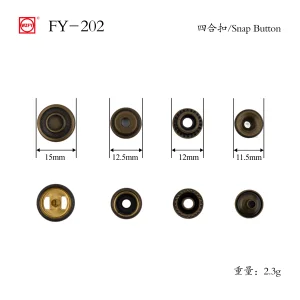
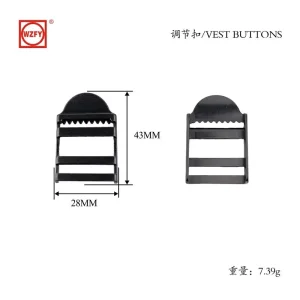
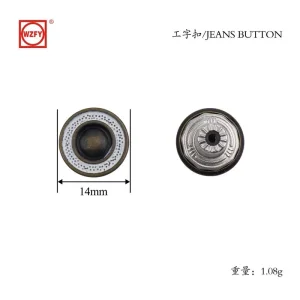
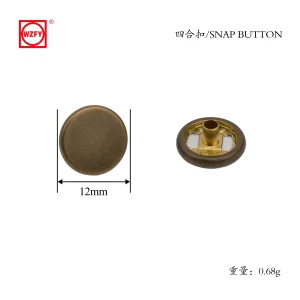
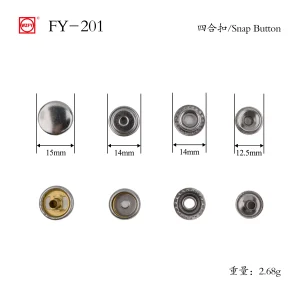
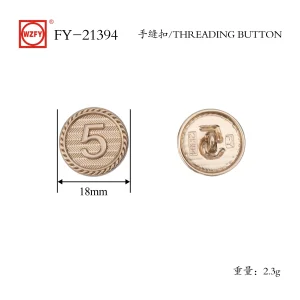
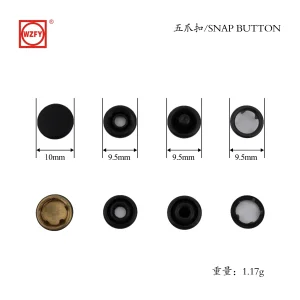
 Fangyuan Metal Button