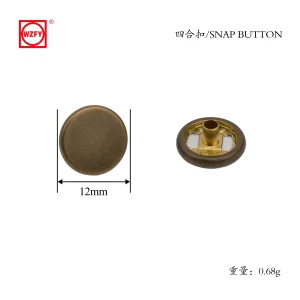
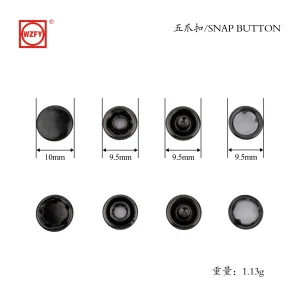
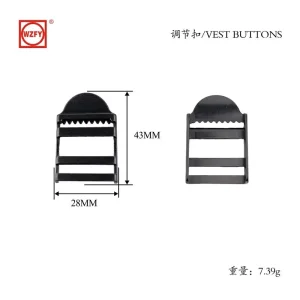
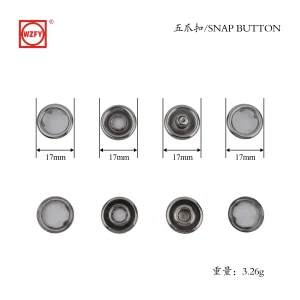
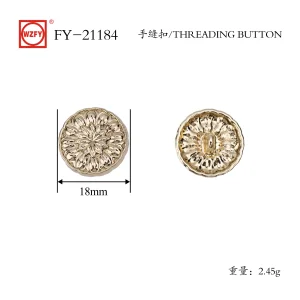
Precision-engineered fasteners, prong buckles, and flat buttons designed for high-tensile denim and heavy-duty outerwear.
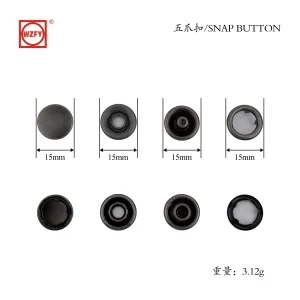
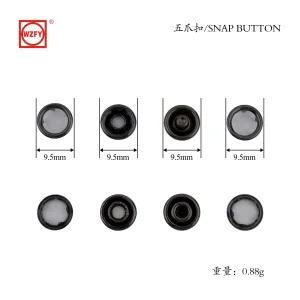
For nearly three decades, Wenzhou Fangyuan Metal Button Co., Ltd. has stood as a hallmark of engineering excellence in garment hardware fabrication.
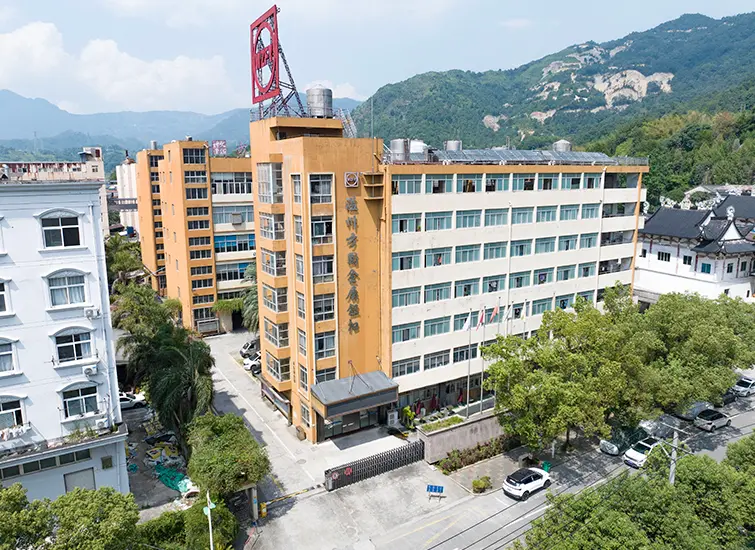
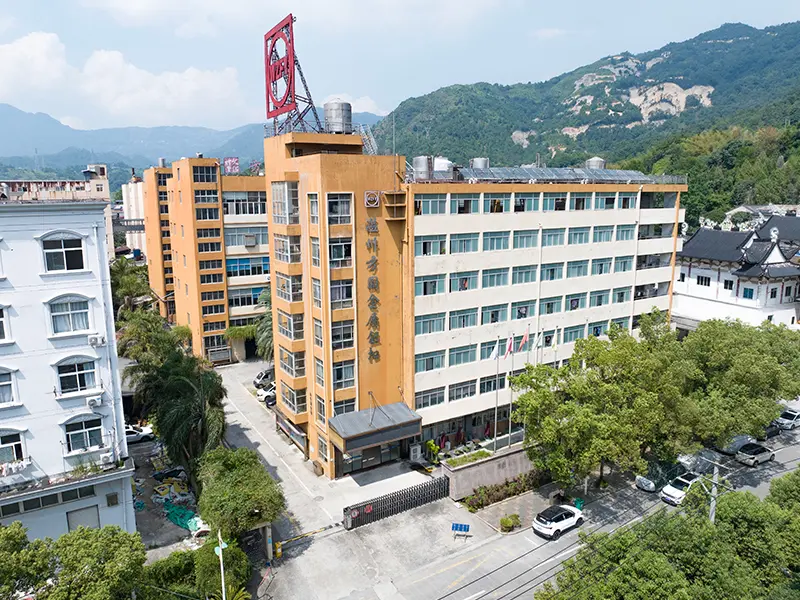
Founded in 1995, our headquarters resides in Qiaotou, Wenzhou—universally recognized as China’s epicentered button production and trading hub. Seamlessly positioned between natural transportation arteries, Wenzhou Fangyuan operates as a high-technology, joint-stock enterprise covering 30 mu (approximately 16 acres) of land with a modern construction footprint of 15,000 square meters.
Our workforce of over 500 elite employees, including more than 90 dedicated technical engineers and operations management specialists, propels our annual production value past 100 million RMB. Supported by an independent import and export license, we serve the world's most demanding premium denim labels, military apparel contractors, and luxury lifestyle brands.
Established In
Corporate Personnel
Production Footprint
Annual Value (RMB)
A Technical Guide on Material Resilience, Compliant Electroplating, and Global Supply Chain Integration.
In the contemporary fashion ecosystem, the denim segment faces unique challenges: aggressive wash cycles, environmental compliance, and rapid seasonal turnover. Sourcing from a localized industrial cluster in Wenzhou offers major supply chain benefits. Wenzhou’s specialized manufacturing ecology enables raw material processing, alloy die-casting, chemical plating, and mechanical testing to exist within a tight geographical radius.
This structural proximity reduces raw material transport times and enables rapid iteration of custom molds. Wenzhou Fangyuan Metal Button Co., Ltd. uses this geographic synergy to execute fast tooling turnarounds. Our average lead times for custom product iterations are up to 35% faster than isolated manufacturers, ensuring global brands meet tight market deadlines without sacrificing design quality.
"The integrity of a pair of jeans depends directly on the structural quality of its hardware. A single failed rivet or broken shank button at retail translates into negative brand sentiment and costly return logistics."
Choosing the correct metal alloy is the first step in successful denim hardware engineering. Denim garments undergo heavy processing, including stone washing, sandblasting, enzyme treatment, and acid washes. The hardware must withstand these mechanical and chemical stresses without losing structural integrity or suffering cosmetic discoloration.
| Metal Compound | Tensile Strength | Corrosion Resistance | Primary Utility in Apparel |
|---|---|---|---|
| H65 High-Grade Brass | Excellent (Over 440 MPa) | Outstanding (Natural copper oxide barrier) | High-stress jeans button shanks, heavy-duty suspender and salopet buckles. |
| Zamak 5 Zinc Alloy | Good (Ideal for complex geometry) | Moderate to High (Requires electroplate sealing) | Intricately detailed 3D logo design button caps, decorative snaps, and D-rings. |
| 304/316 Stainless Steel | Extreme (Over 500 MPa) | Superior (Resists heavy bleach/acid washing) | Utility outerwear fasteners, military uniforms, industrial workwear eyelets. |
| SPCC Low-Carbon Steel | Moderate | Low (Requires rust-preventative coatings) | Budget-friendly interior prong washers and low-stress snap components. |
Regulatory frameworks such as the European Union’s REACH regulation, CPSIA, and California Proposition 65 place strict limits on heavy metals in consumer textiles. Historically, electroplating relied on nickel to provide luster and corrosion protection, and lead to improve the machinability of brass. However, nickel is a primary allergen, and lead presents neurological hazards.
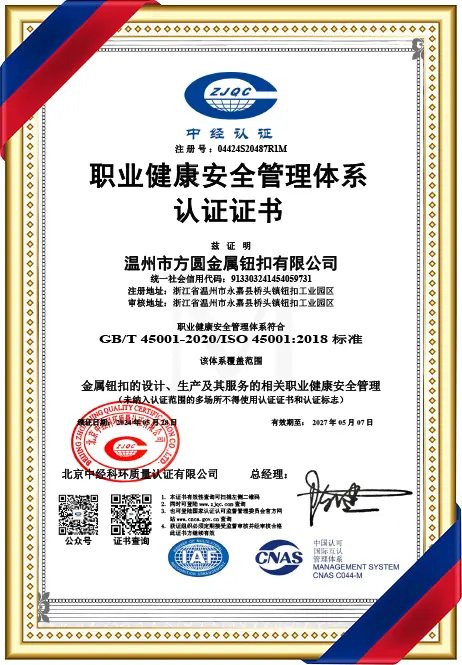
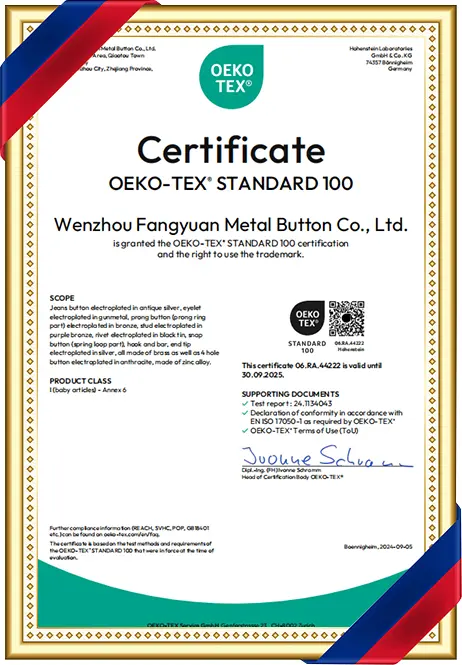
Wenzhou Fangyuan uses advanced, eco-friendly electroplating processes that eliminate restricted substances while maintaining visual appeal and durability. Our finishes pass strict testing protocols, ensuring compliance with ISO9001:2008, ISO14001:2004, and the EU Oeko-Tex Standard 100 Class I (safe for direct skin contact, including infant apparel).
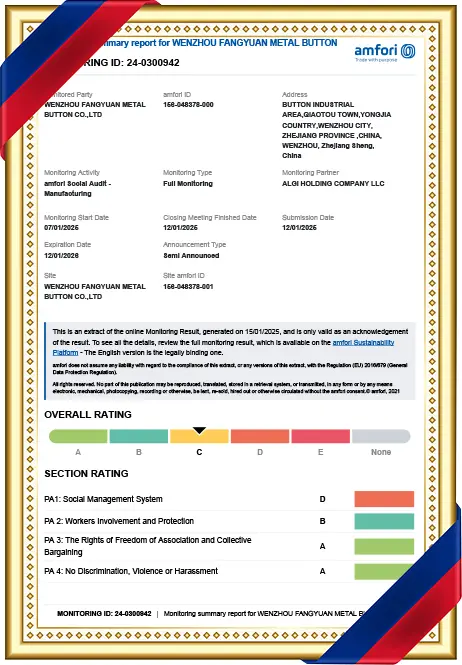
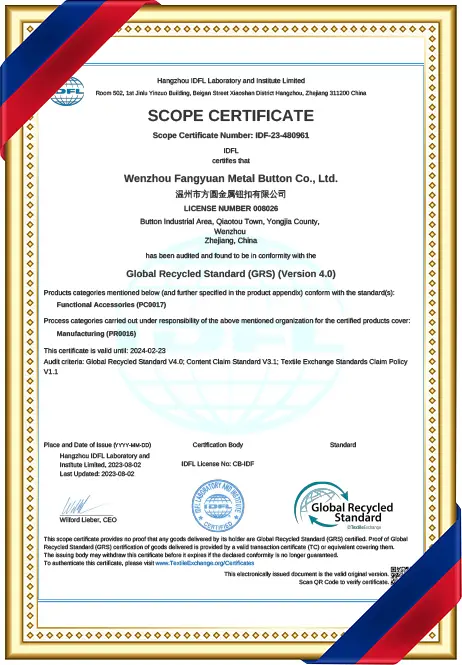
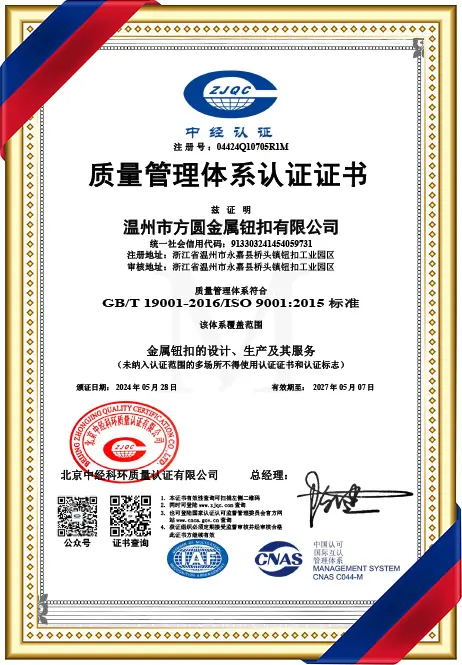
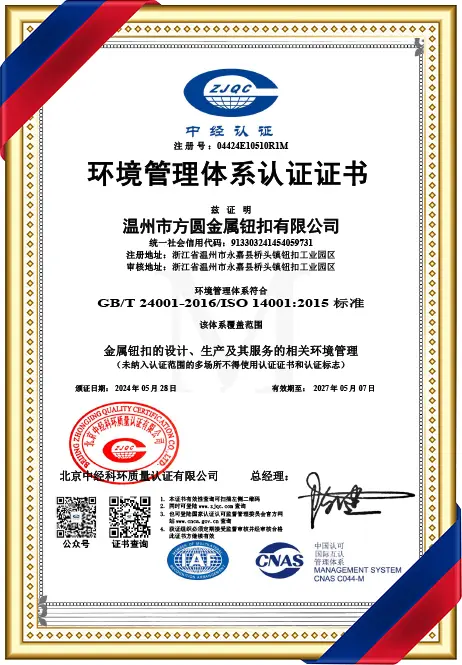
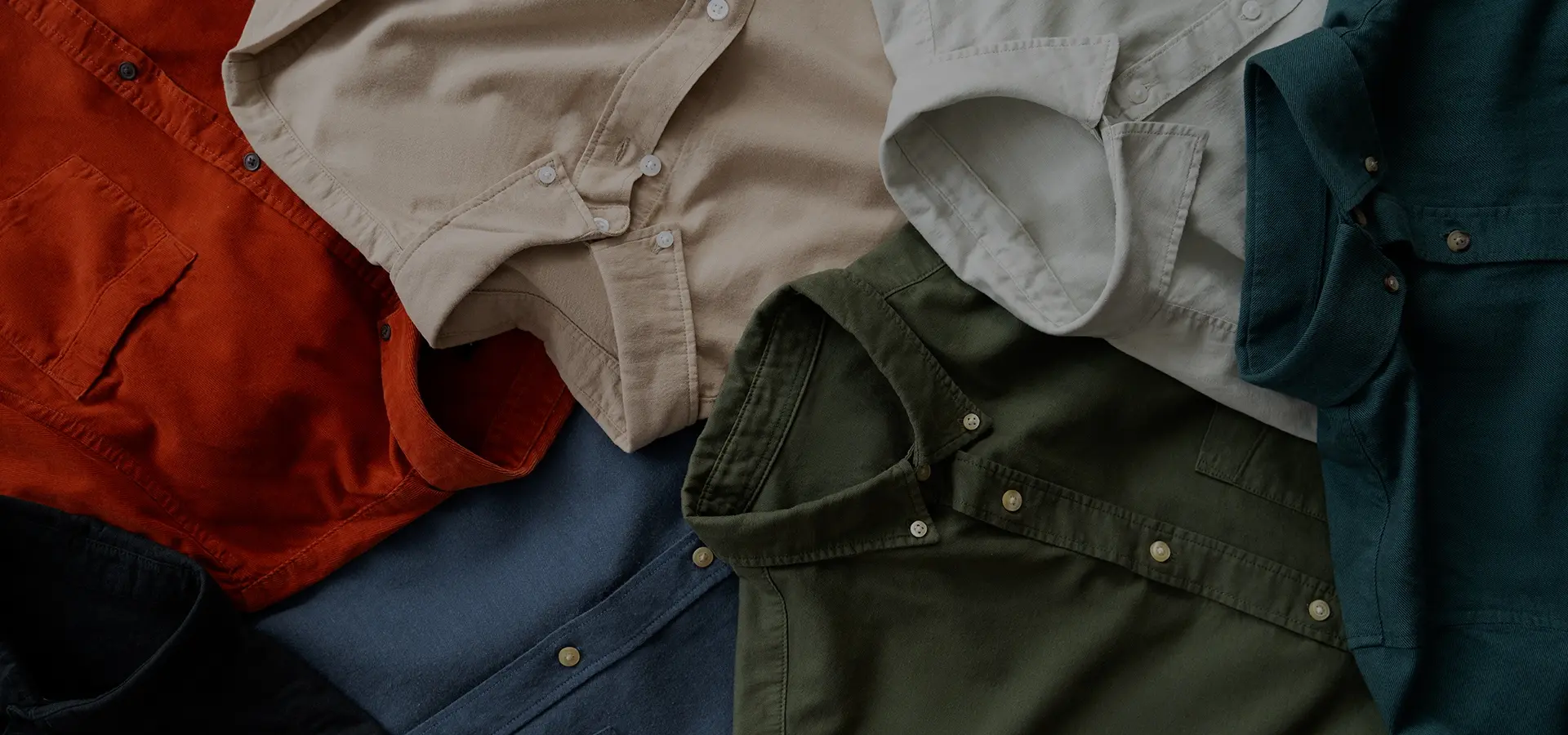
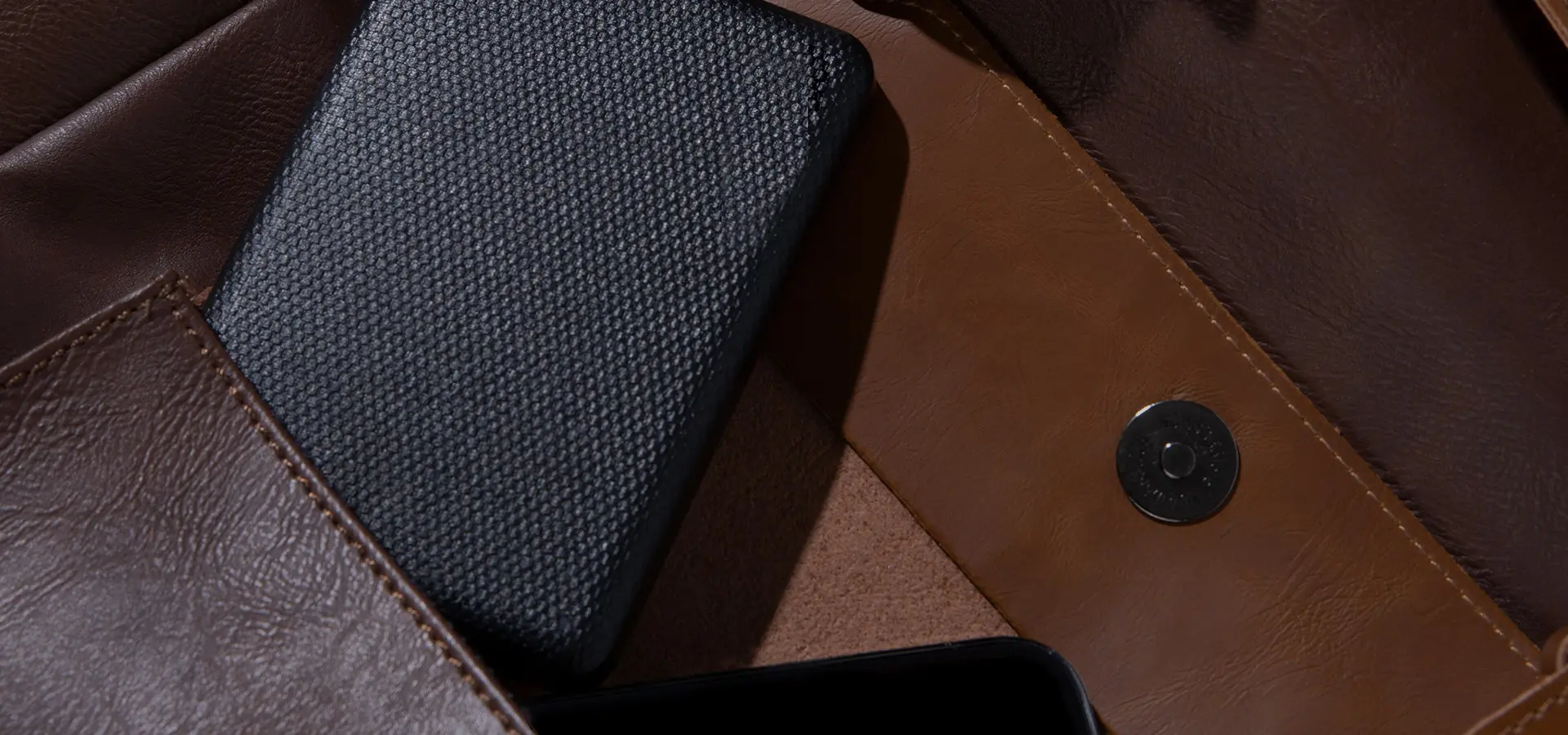
How we engineer specific metal closures to meet the unique performance, tactile, and aesthetic demands of different apparel segments.
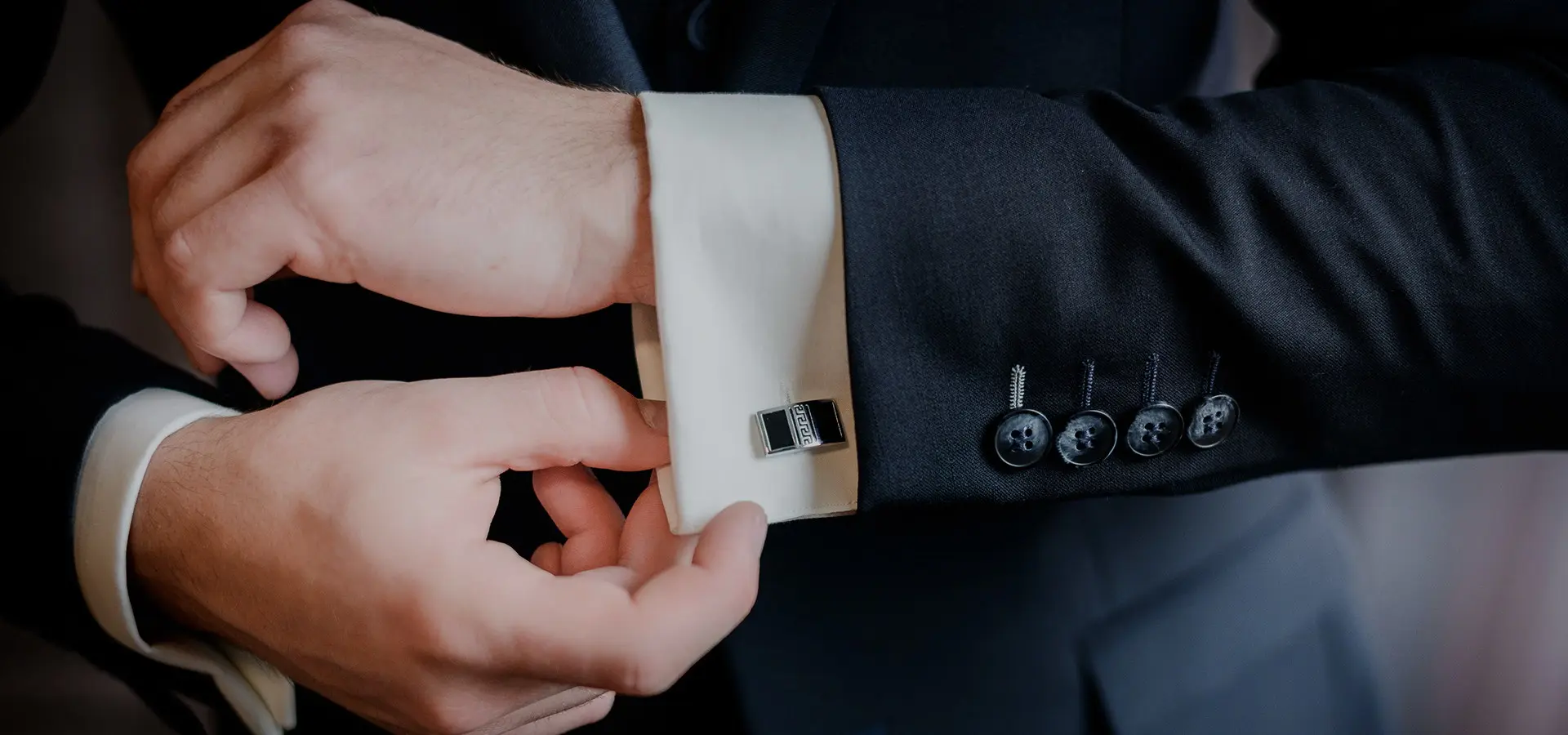
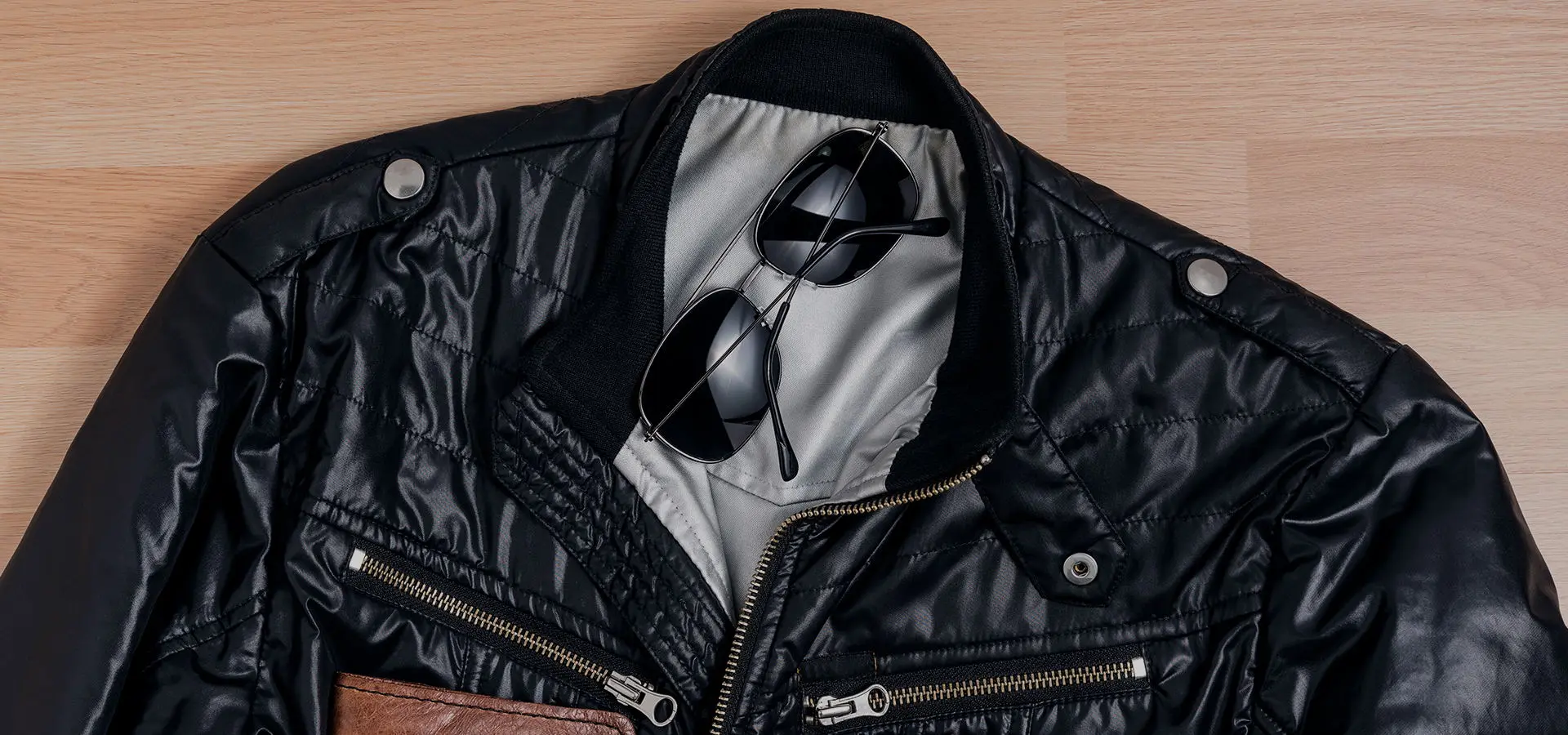
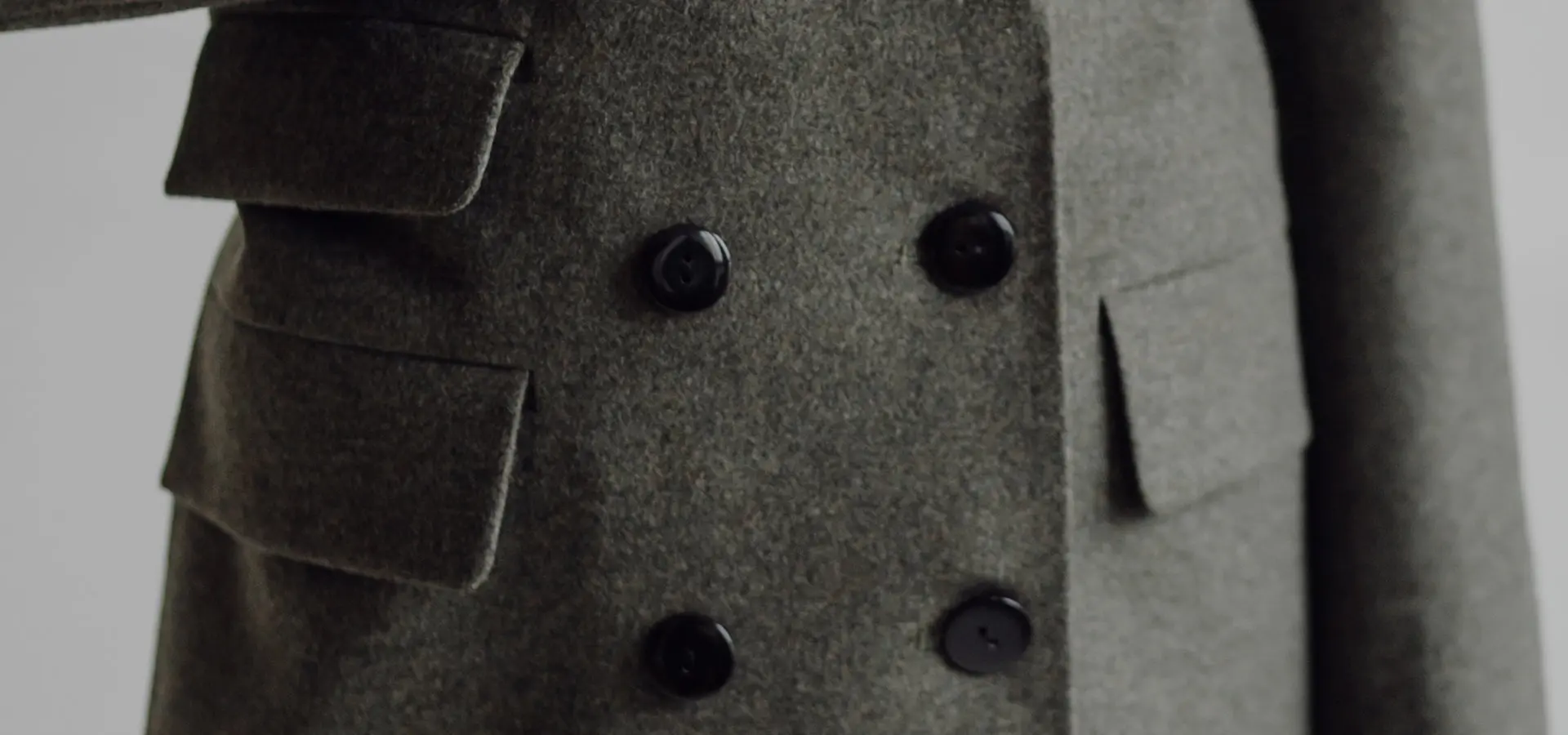
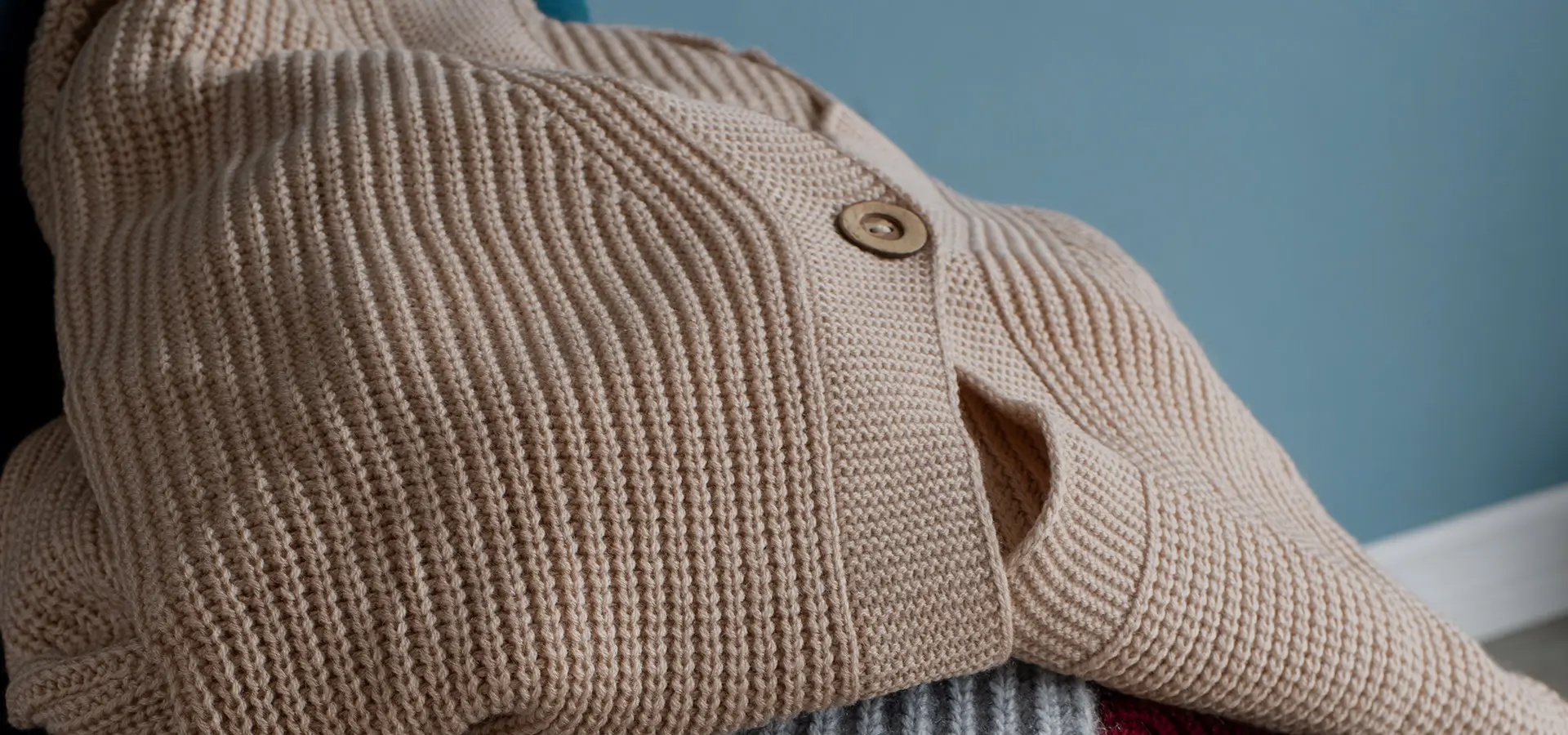
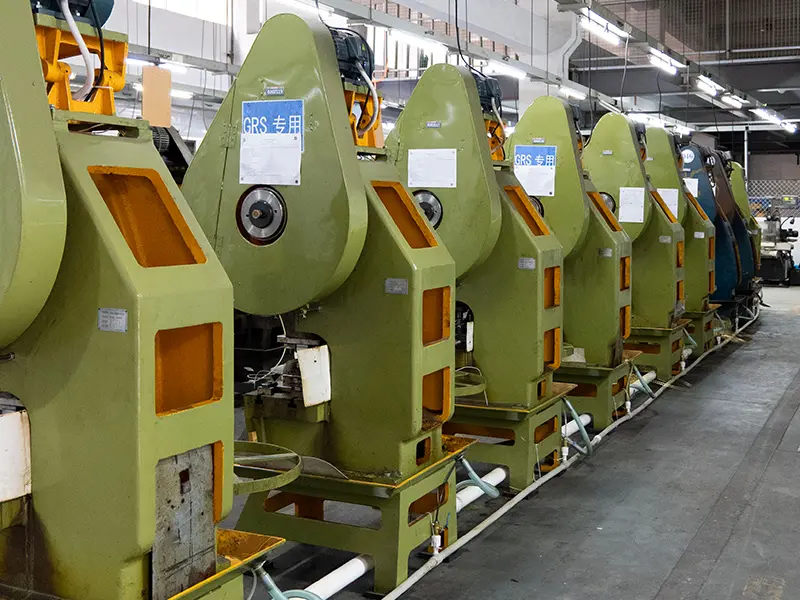
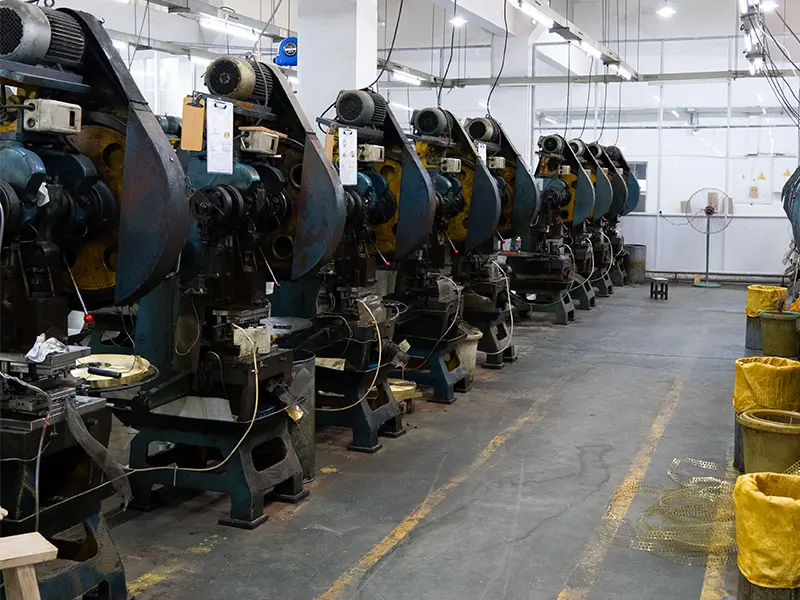
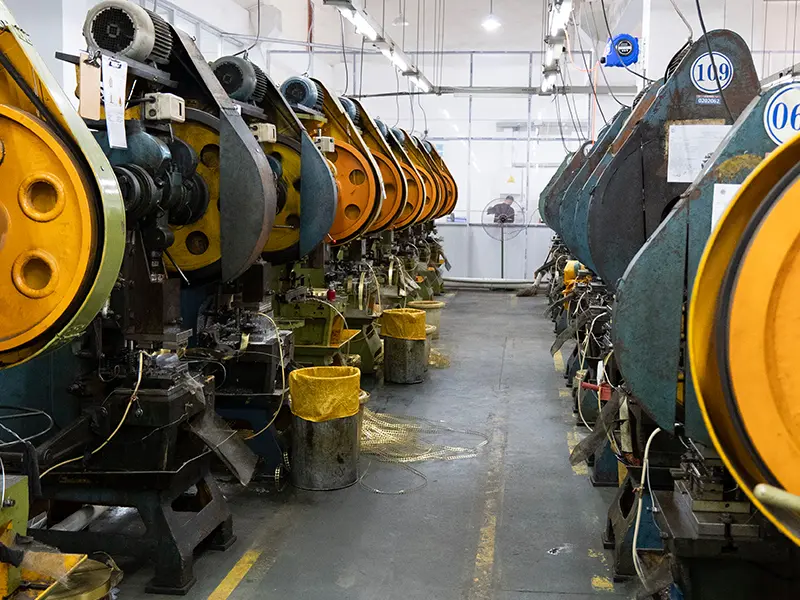
True OEM performance depends on automated, consistent production. At our 15,000-square-meter facility in Wenzhou, Wenzhou Fangyuan controls every stage of the manufacturing process to eliminate quality drift and variation.
Our tooling workshop uses high-speed CNC centers and wire-cut electrical discharge machines (EDM) to produce high-precision molds. Our cold-heading press department shapes raw brass and copper wire into rivet stems and button shanks at rates of up to 400 pieces per minute. For complex zinc alloy designs, automated hot-chamber die-casting machines inject molten metal under high pressure to ensure uniform density and clean surface details.
After casting and forming, our modern electroplating facility applies specialized surface finishes. Automated, sensor-controlled chemical lines monitor bath concentrations, temperatures, and plating durations. This precise control creates uniform nickel-free, antique brass, and gold finishes that consistently pass 24-hour acid salt spray tests (ASTM B117) and resist heavy industrial garment laundering.
Finally, we run every production run through high-speed optical sorting machines. These systems use computer vision to inspect key dimensions and check for cosmetic defects, sorting out defective pieces before the product is packed. This strict quality flow allows us to guarantee low defect rates, making Wenzhou Fangyuan a reliable partner for automated garment manufacturing lines.
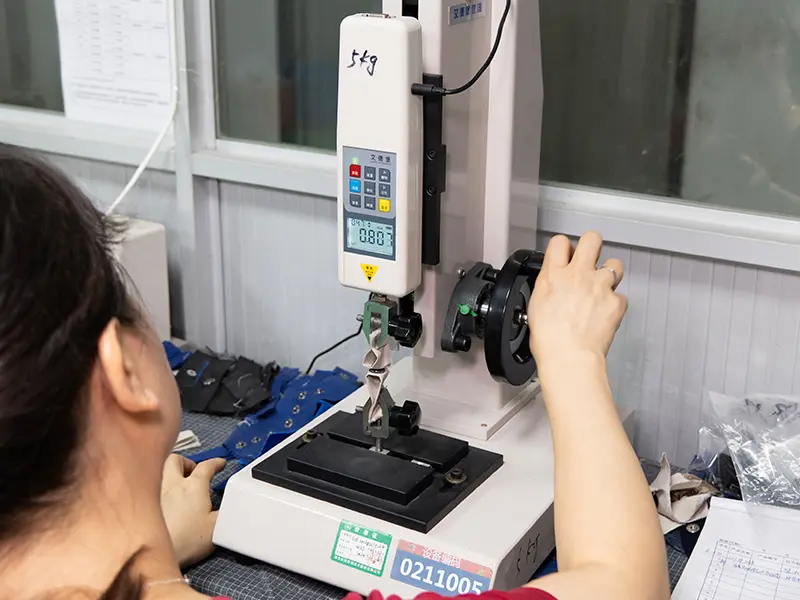
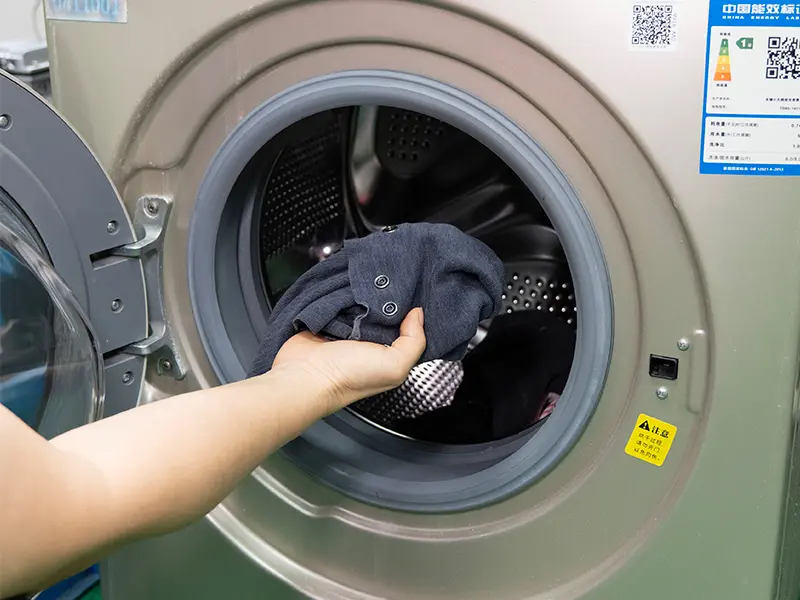
Detailed insights from our engineering department regarding installation, material selection, and testing protocols.
For adult apparel, our jeans buttons and snap fasteners are engineered to meet or exceed international standards, maintaining a minimum retention strength of 90 Newtons (approx. 20.2 lbs) in pull-off tests (ASTM D7142-05). For infant and kids wear under Oeko-Tex Class I, we calibrate tooling to reach tighter tolerances, ensuring fasteners do not detach under repetitive stress and create choking hazards.
We use high-grade H65 brass or 304 stainless steel base alloys to prevent rust. For zinc alloy parts, we apply a multi-layer copper-nickel-chrome electroplated barrier. This protective layer seals the core metal, preventing corrosion and staining even during harsh industrial enzyme washes and chlorine bleaching processes.
Our standard manufacturing runs require a minimum of 50,000 pieces for iron-based components, and 20,000 pieces for premium brass, zinc alloy, and stainless steel hardware. We can provide pre-production samples for physical wash testing before initiating full mass production runs.
Denim fabrics vary significantly in thickness, weave density, and stretch capacity. A shank length that works perfectly on rigid 14oz raw denim may bend or fail on a highly elastic 10oz stretch denim. By performing diagnostic checks on customer fabric samples, we can calibrate the ideal tack length and washer profile to ensure reliable, long-term performance.
Yes. All of our custom-plated coatings utilize nickel-free alloy alternatives (such as copper-tin bronze electroplating) to prevent skin contact allergies. Lead content in all raw metals and surface treatments is strictly controlled below 90 ppm, ensuring complete compliance with REACH, CPSIA, and California Proposition 65 regulations.
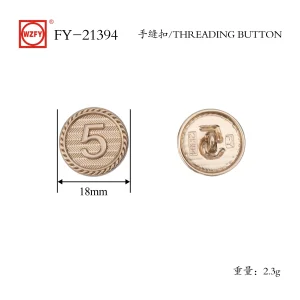
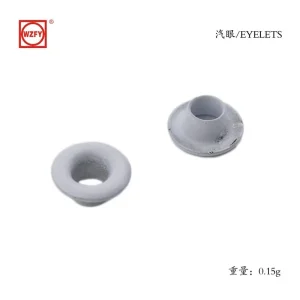
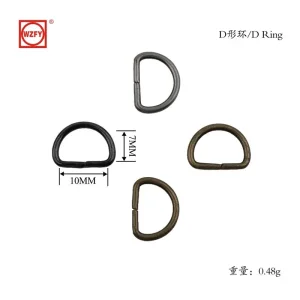
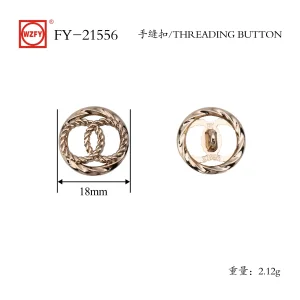
Premium functional closures, custom eyelets, robust D-rings, and classic vintage sewing buttons optimized for modern production lines.
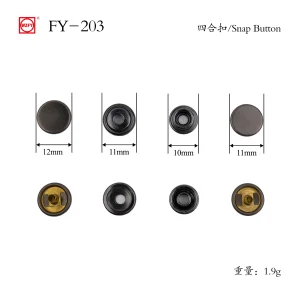
 Fangyuan Metal Button