Engineered to withstand rigorous mechanical stresses and certified for zero environmental harm.

An in-depth technical guide for apparel trim designers, sourcing heads, and quality assurance specialists.
Brushed nickel has emerged as a gold standard in modern industrial apparel and heavy-duty luggage manufacturing. Originally appreciated for its subtle, semi-matte sheen, the technical utility of brushed nickel buttons goes far beyond aesthetic value. In high-performance textiles and outerwear, metal closures are subjected to rigorous physical and chemical stressors, including high-temperature commercial washing, aggressive chemical detergents, tumble drying, and exposure to sweat and ambient humidity.
Modern manufacturing utilizes state-of-the-art electroplating processes to build custom physical barriers on brass, copper, iron, or zinc-alloy base metals. Standard electrodeposition involves depositing a micro-layer of nickel, followed by physical abrasion (mechanical brushing via wire wheels or specialized scouring belts) to create the characteristic linear satin patterns. A final, highly controlled passivating topcoat is applied—often using physical vapor deposition (PVD) or advanced organic lacquer—to lock in the texture, eliminate micro-pores, and prevent atmospheric oxidization. This multi-layered architecture ensures that brushed nickel buttons resist tarnish and corrosion, maintaining structural integrity across decades of garment life.
For international fashion buyers, outdoor gear brands, and industrial workwear suppliers, procuring metal buttons is a mission-critical process that demands high supply chain transparency and reliability. Buyers are increasingly focusing on the following core operational metrics:
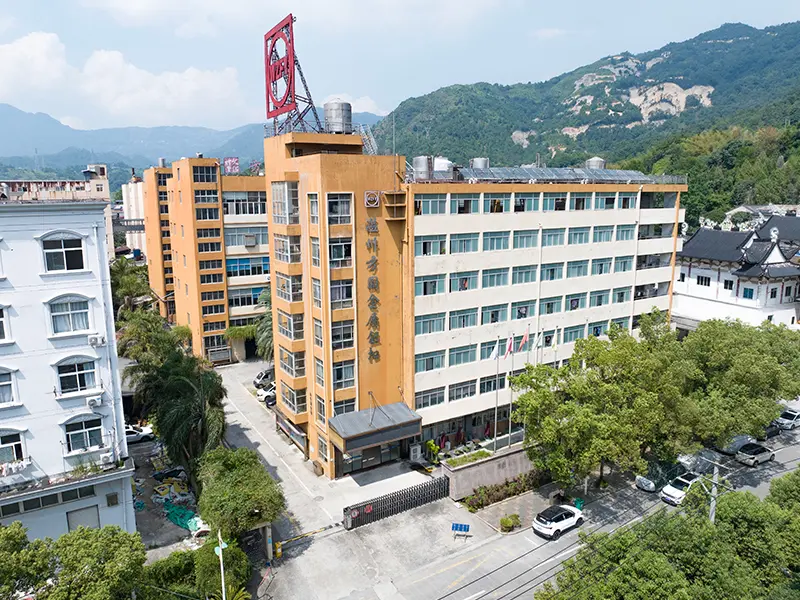
Wenzhou Fangyuan Metal Button Co., Ltd. represents decades of manufacturing excellence, operating out of China's largest button hub.
Detailed view of our engineering capabilities, structural components, and custom options.
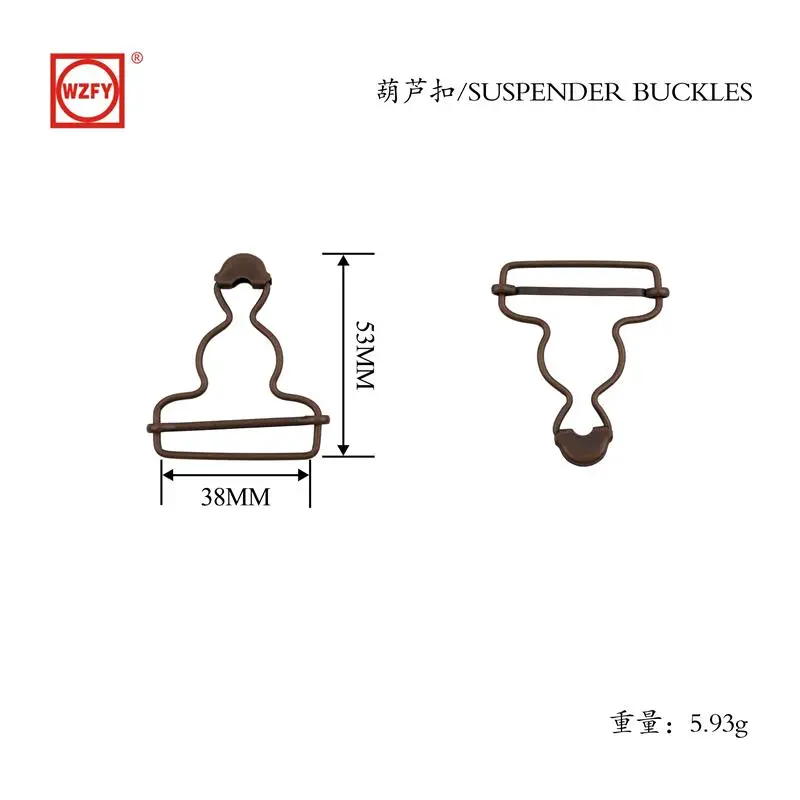
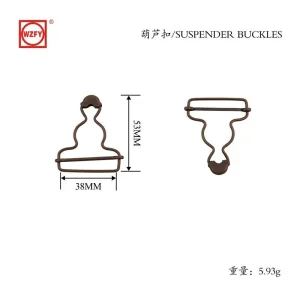
Our salopette and suspender buckles are manufactured from premium brass wire, delivering superior resistance to rust and corrosion. These functional items serve as adjustable closures for dungarees, overalls, gardening pants, and workwear.
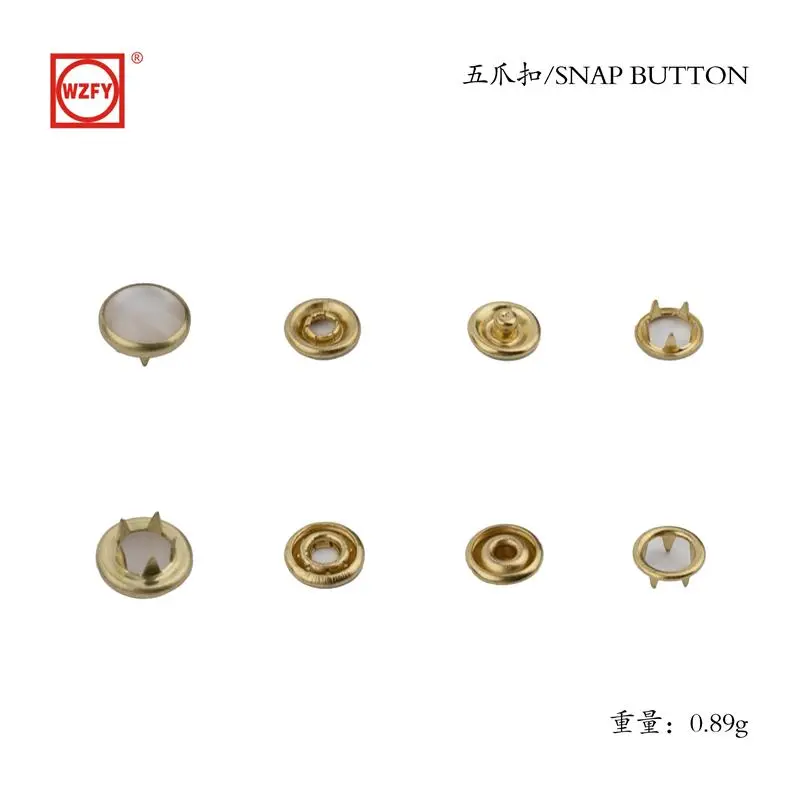
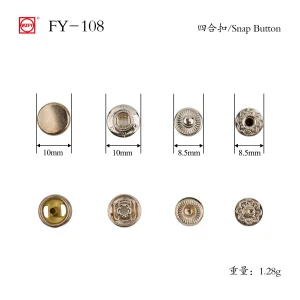
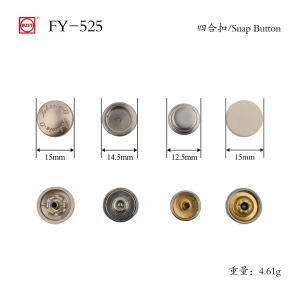
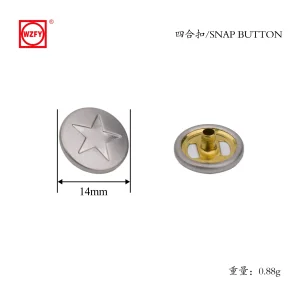
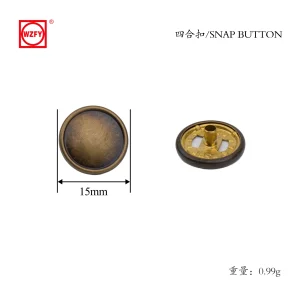
Engineered for high retention forces, our snap buttons are ideal for heavy jackets, denim apparel, leathercraft, and sporting accessories. Built from copper, brass, or stainless steel alloys, these closures are available with specialized ring-spring or parallel-spring mechanics.
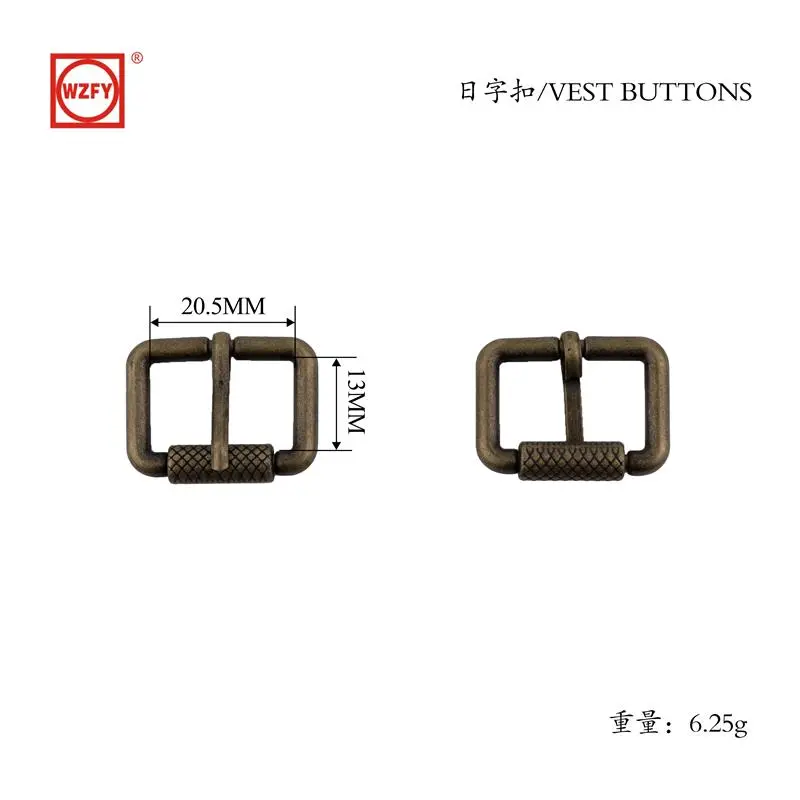
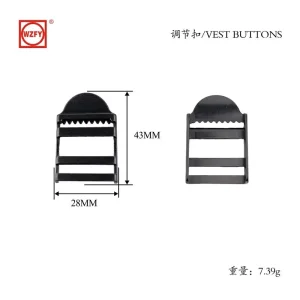
Our adjustment buckles combine utility with sophisticated visual appeal. Designed primarily to manage fabric tension on vest backstraps, trench coat belts, and luggage straps, they are treated with chemical passivators for color stability.
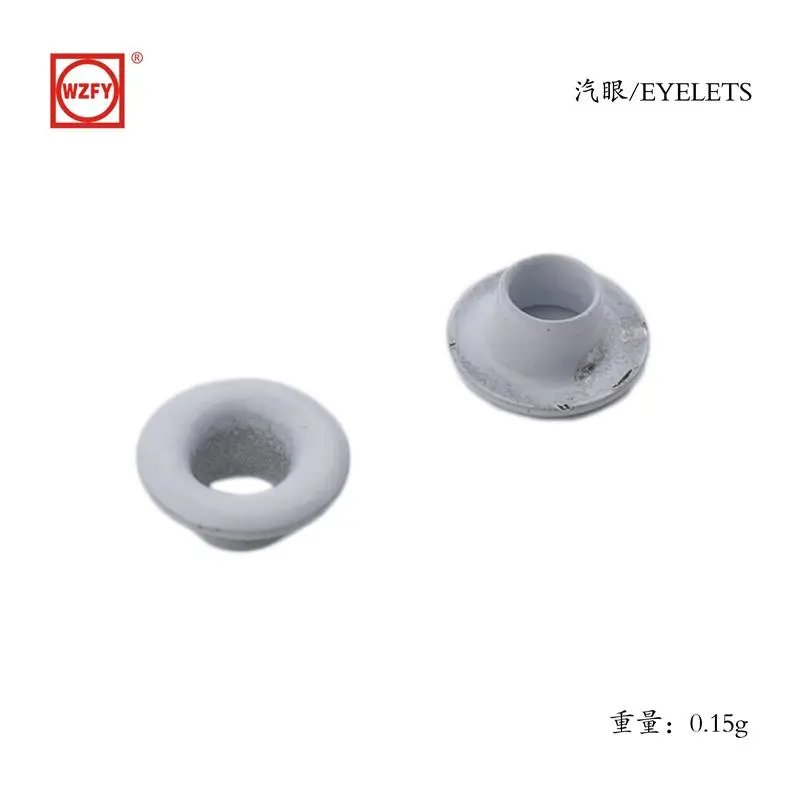
Designed to reinforce holes in heavy fabrics without tearing. Essential for hoodies, windbreakers, industrial workwear, bags, and shoes. Formed from high-ductility brass to prevent splitting during automated eyelet setting.
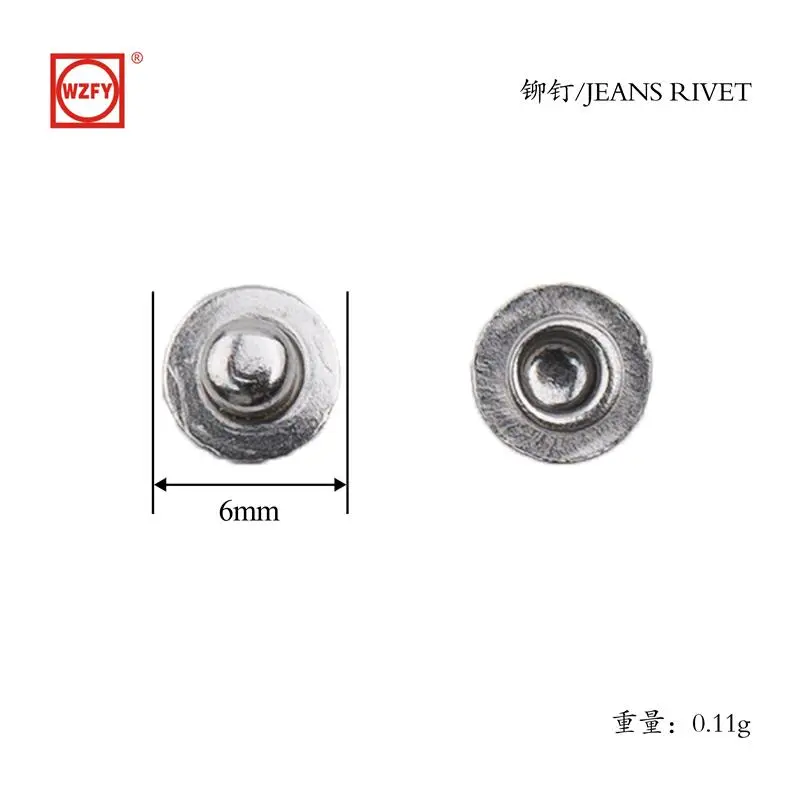
Our denim rivets provide structural reinforcement at key tension points (pockets, side seams). We offer pre-production mock-up testing on client fabrics to determine the optimal post length and avoid fabric damage during assembly.
Different garments demand unique hardware characteristics. Explore how we tune our production for your specific vertical.
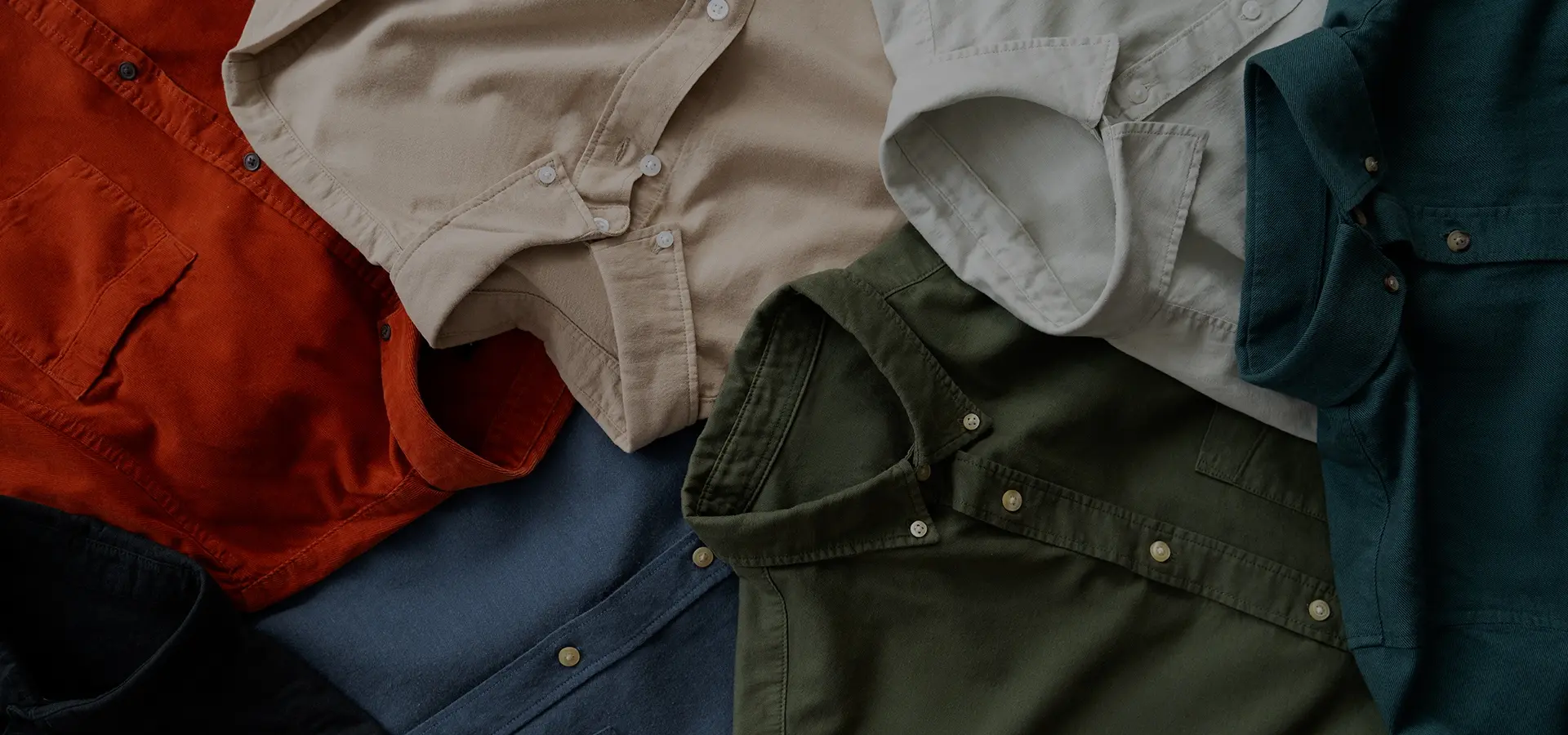
The buttons of a shirt should be "practical first, with etiquette as a secondary consideration", which is the key to the neatness of the outfit. We ensure consistent thickness and perfect buttonholes fitment.
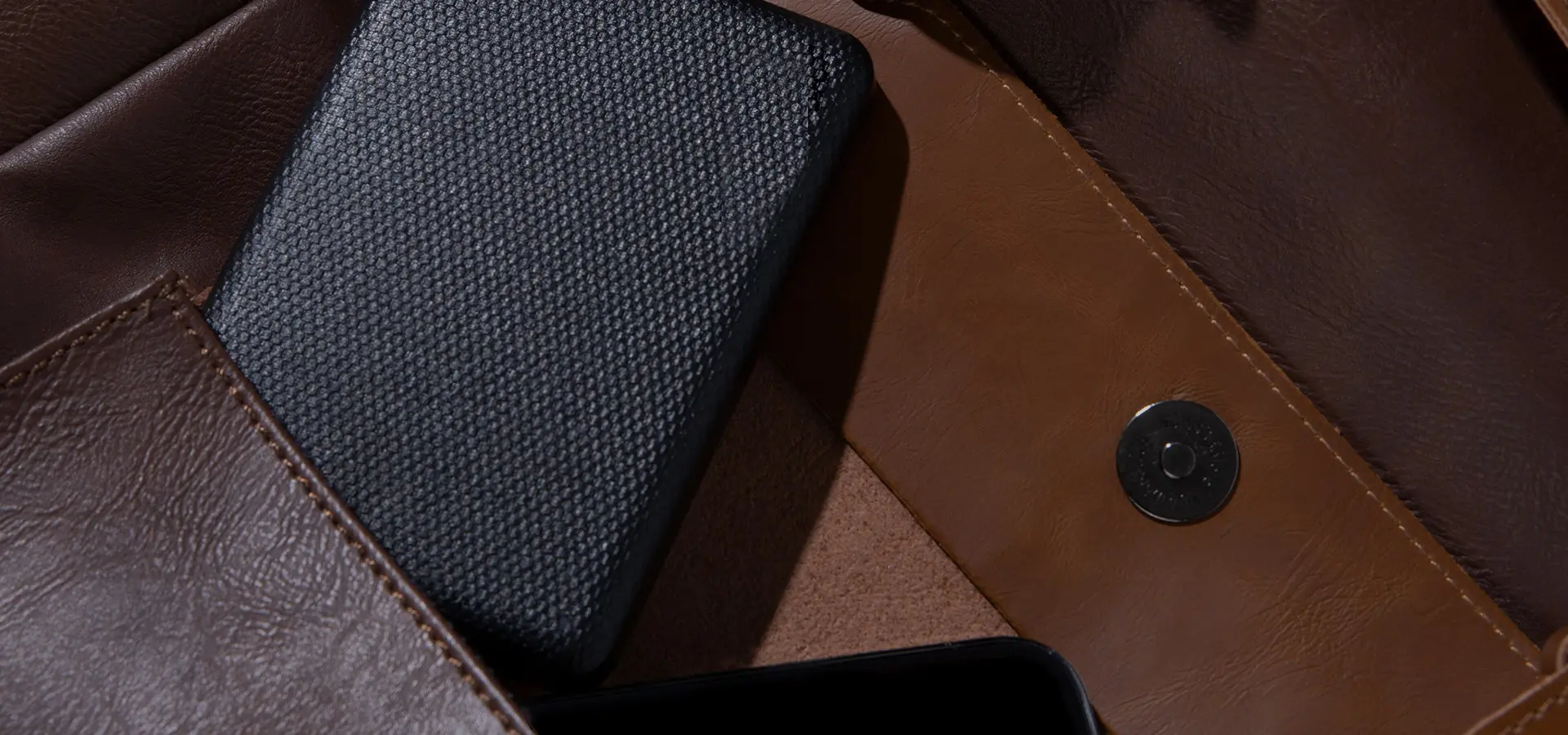
Focused on "auxiliary fixation and enhanced protection". These hardware elements must handle high load capacities and severe abrasion during travel, transit, and storage.
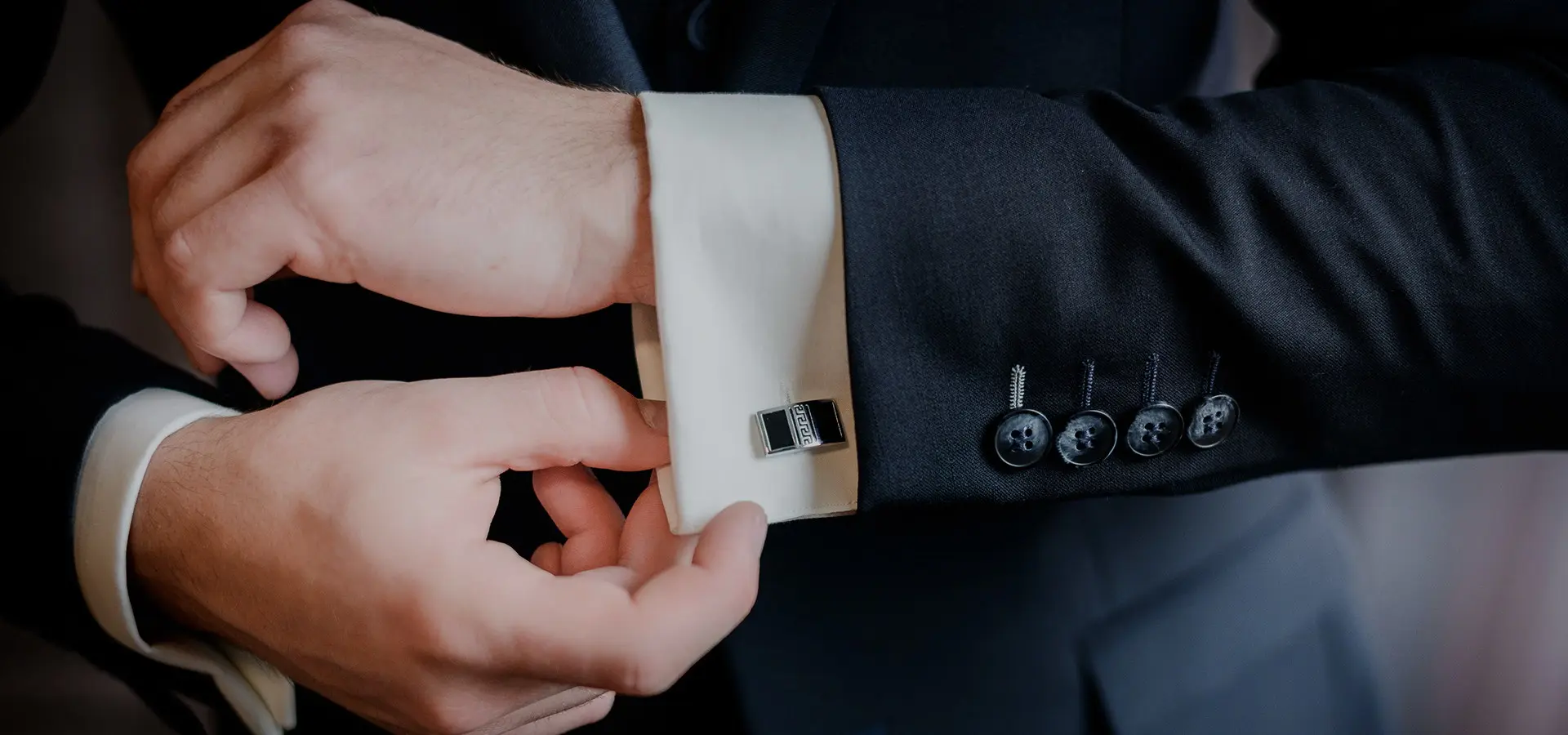
The buttons of a suit are at the core of shaping the silhouette and expressing etiquette, directly affecting the wearing quality and occasion suitability.
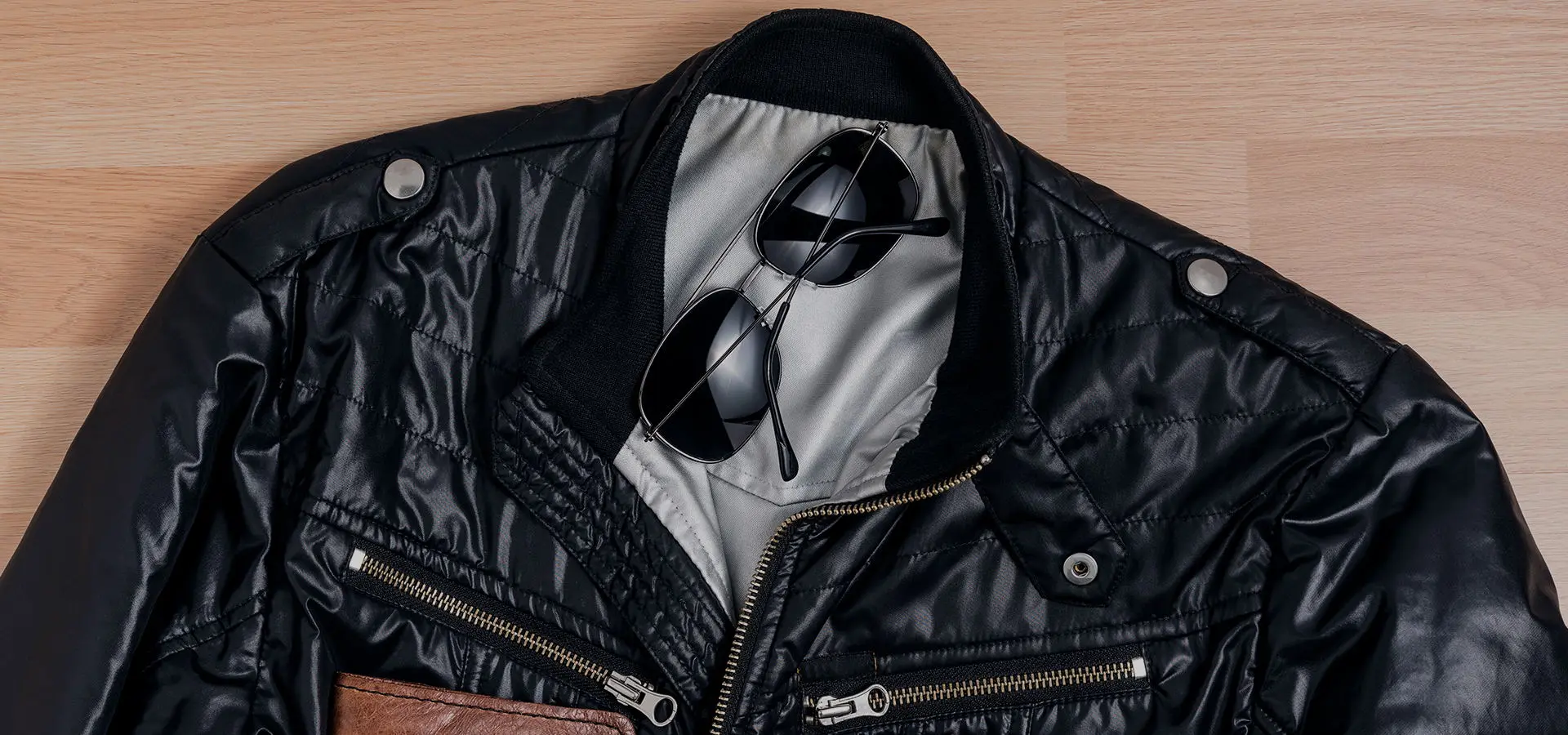
Centered around "hard verification + style enhancement". Metal hardware must match the tough, long-wearing properties of leather while preventing rust transfer to natural hides.
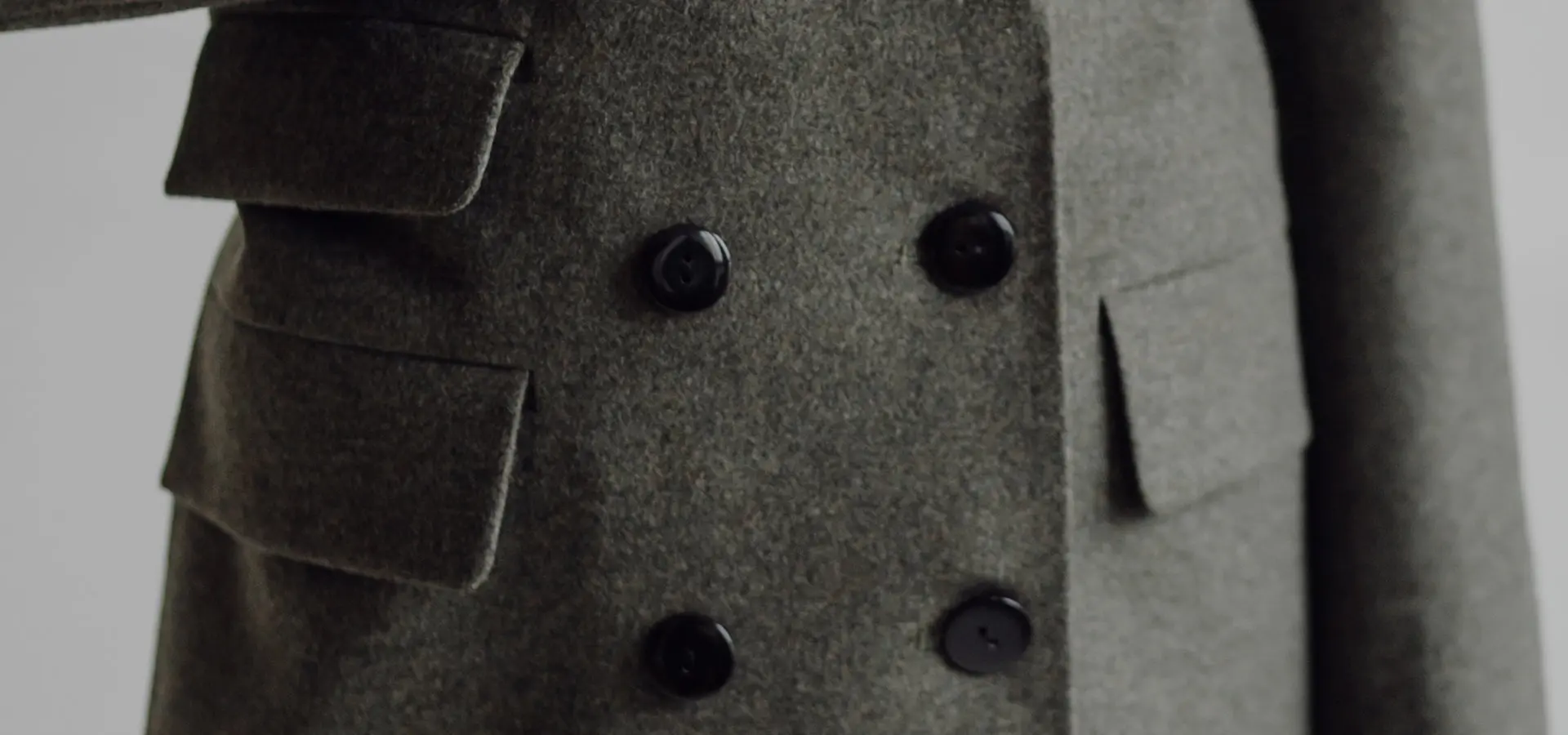
Balancing "windproof practicality" and "styling". These items require robust closures that resist corrosion from exposure to constant rain, sleet, and salt water.
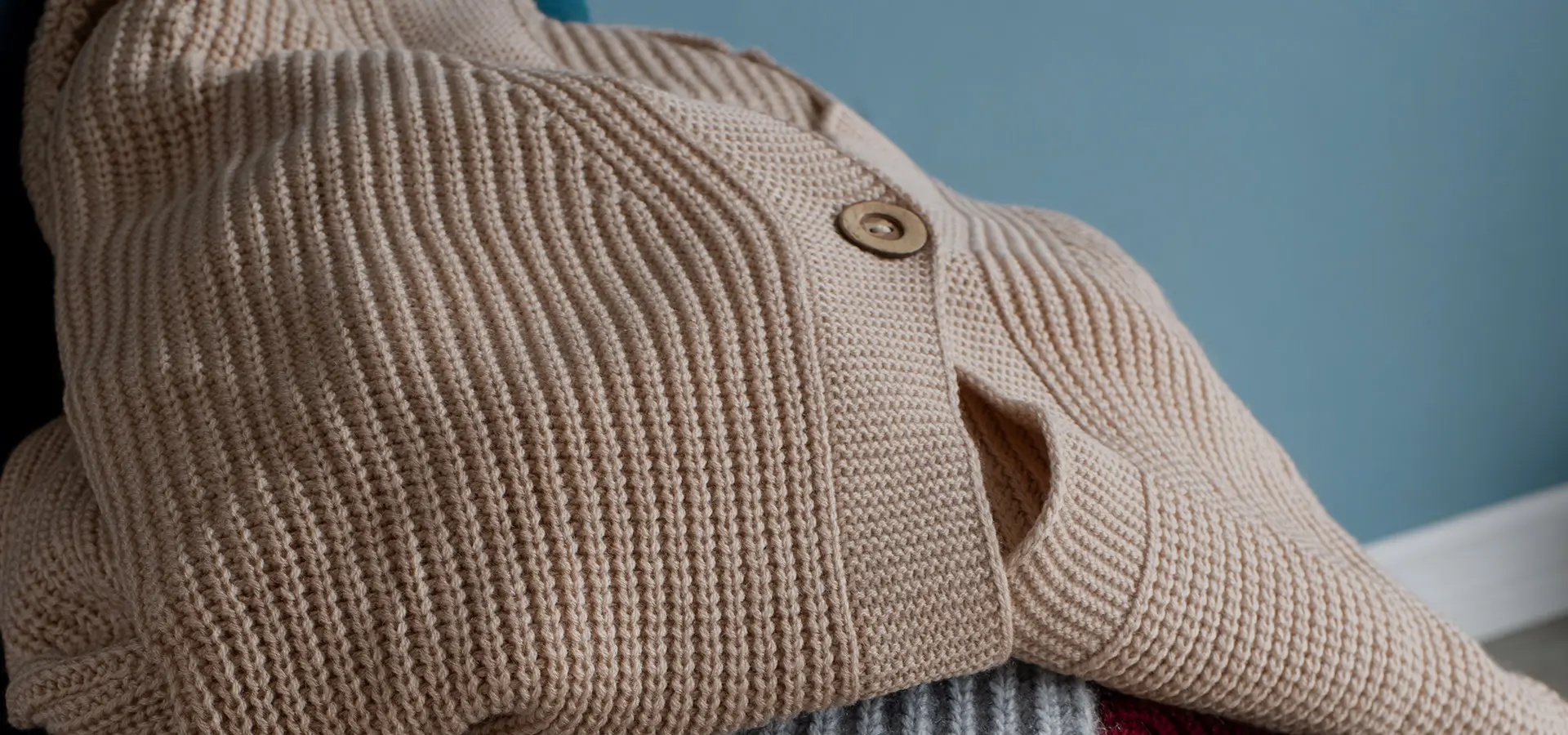
Centered around "comfort and convenience + light decoration". The back and prongs of these fasteners must be ultra-smooth to prevent catching and running knitted yarns.
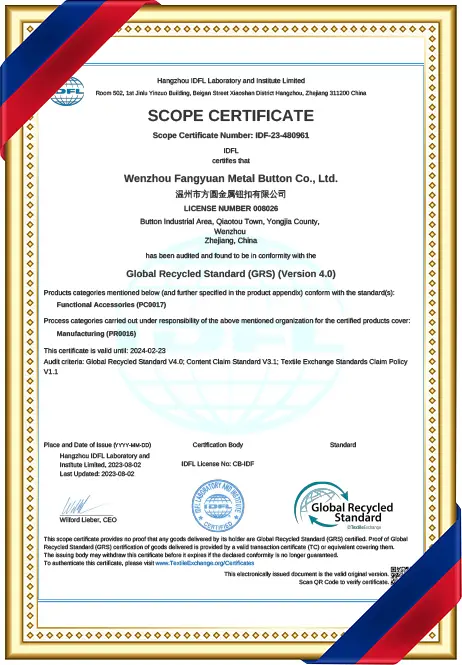
We guarantee compliance with the most stringent global standards, providing peace of mind for consumer health and international custom checks.
| Regulatory Standard | Certification Status | Scope / Requirements Met |
|---|---|---|
| ISO 9001:2008 | Certified & Audited | Quality management systems across design, molding, casting, electroplating, and logistics. |
| ISO 14001:2004 | Certified & Audited | Environmental compliance, featuring closed-loop water purification and green recycling programs. |
| Oeko-Tex Standard 100 | Granted Class I (Baby Level) | Certified lead-free, nickel-free, and cadmium-free trims safe for prolonged skin contact. |
| EU REACH Compliance | Compliant | Restrictions on hazardous chemicals, guaranteeing safe chemical composition of alloy trims. |
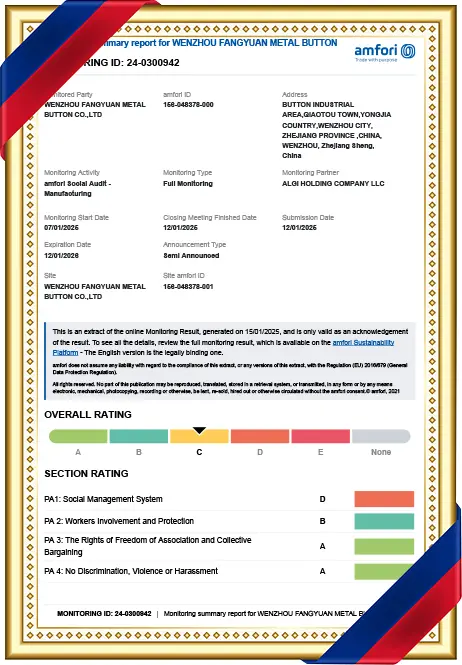
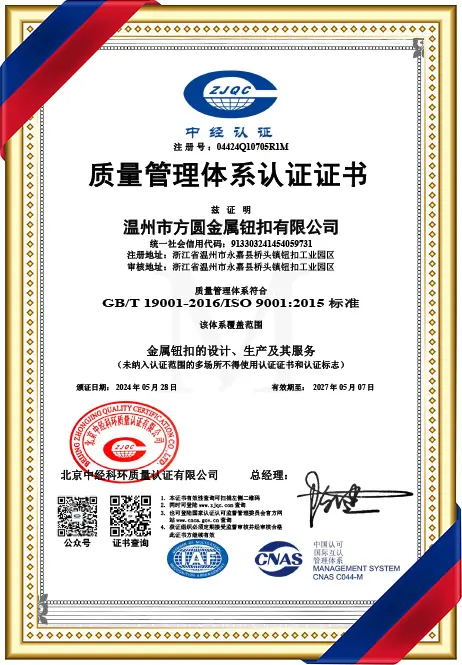
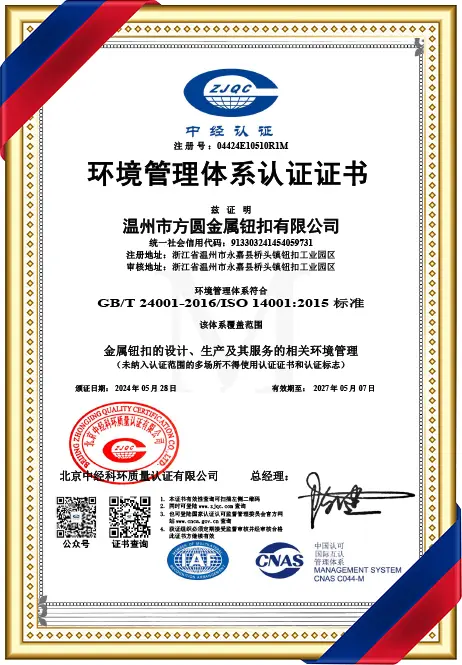
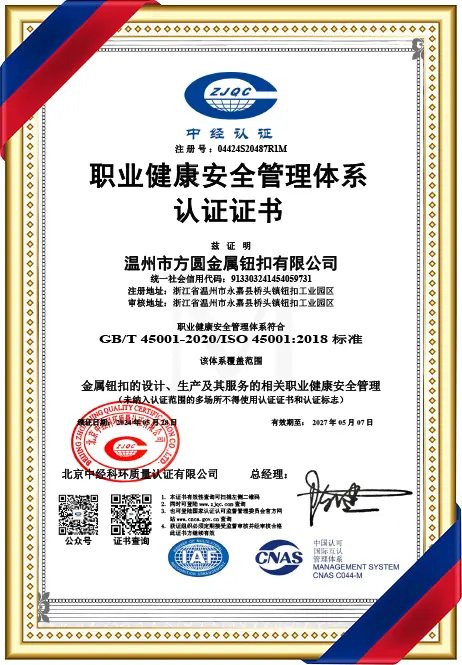
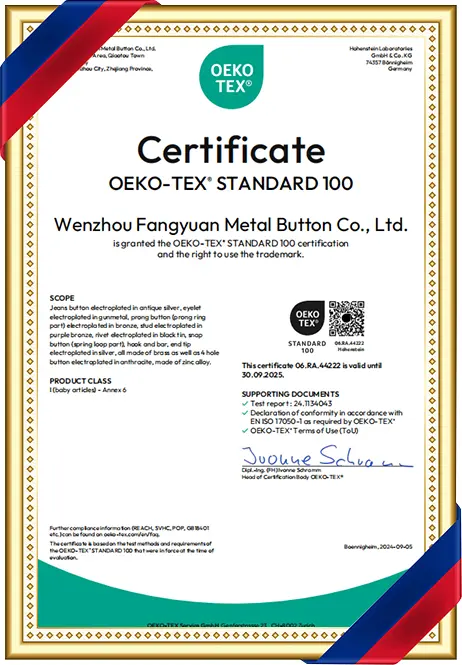
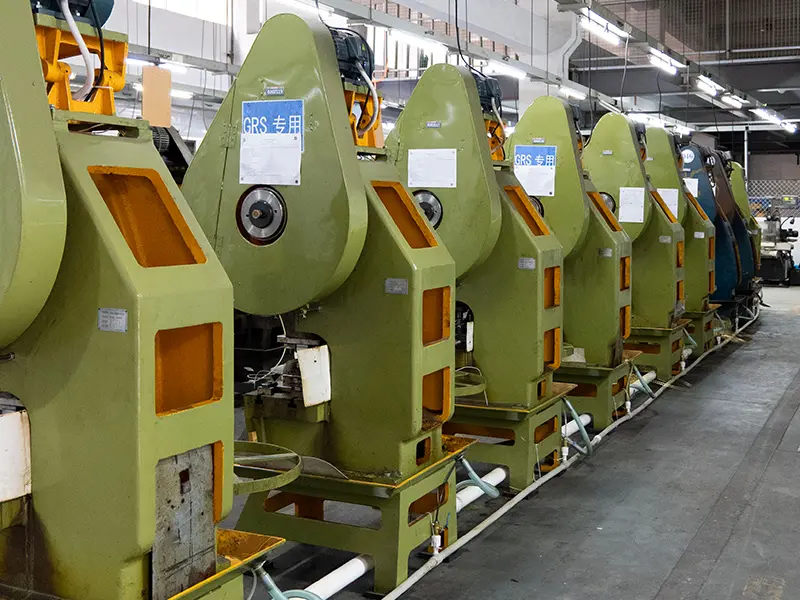
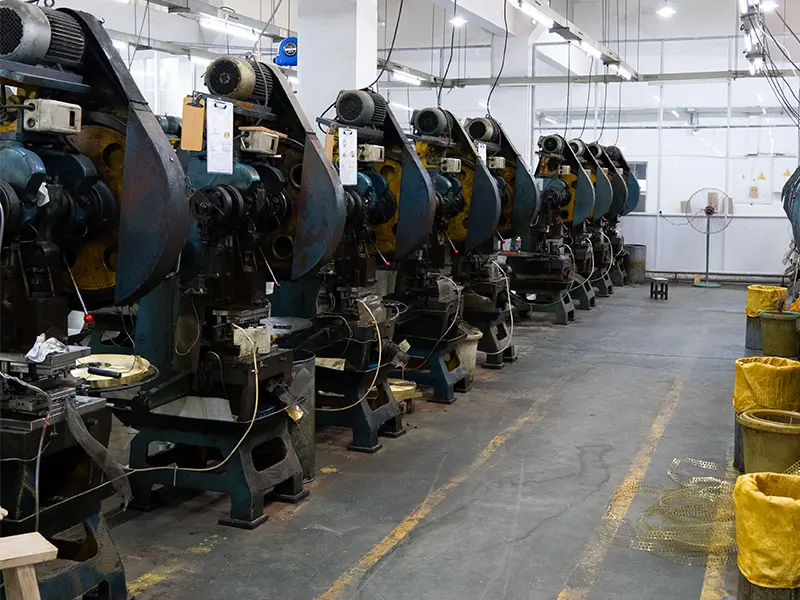
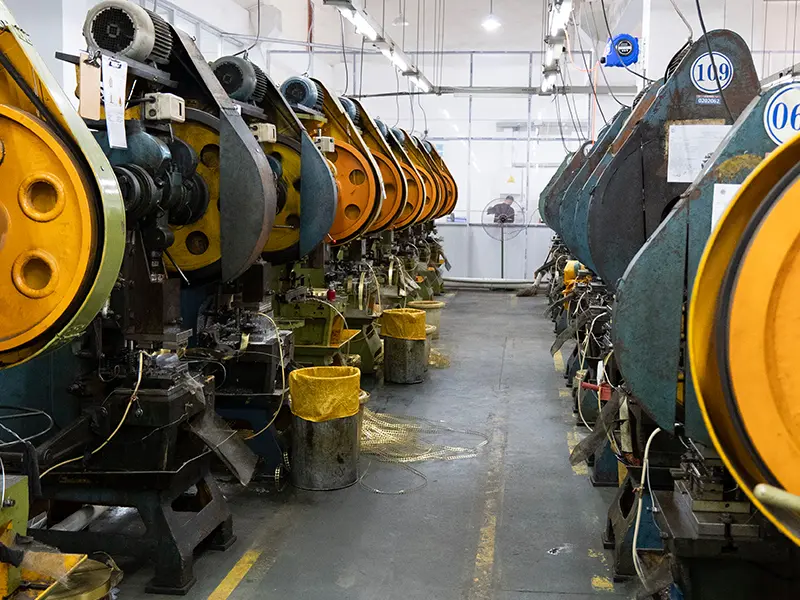
At our production base in Qiaotou, Wenzhou, China, we operate advanced fabrication machines to support both large-scale production and custom orders. Our design engineers use 3D printing and precise CNC mold making to create custom prototypes in just 3–5 days.
Base alloys are melted and injected under high pressure into steel molds to ensure uniform density and prevent internal voids. After casting, the buttons are tumbled in a sequence of polishing media to smooth any sharp edges, protecting both garment thread and user hands. Next, they are loaded into computerized electroplating lines, where parameters like current density, bath temperature, and pH are constantly monitored to ensure the brushed nickel deposit has uniform thickness and color.
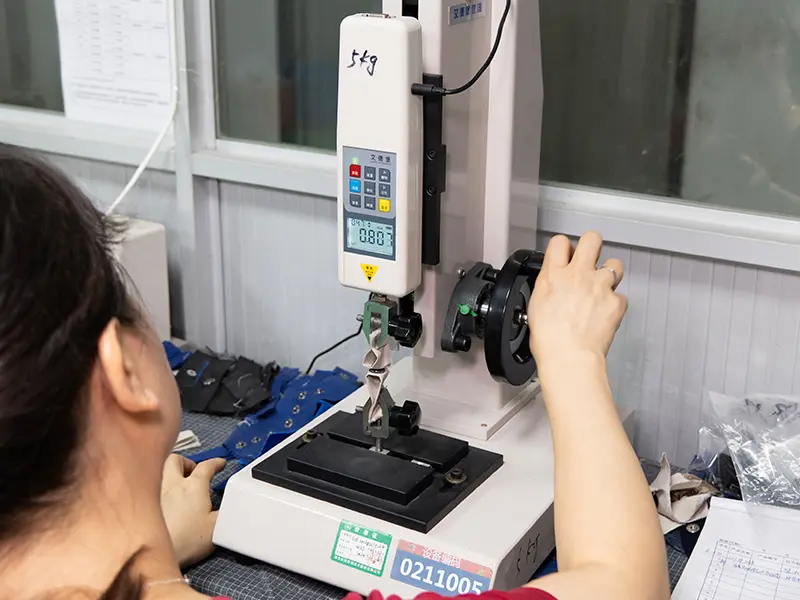
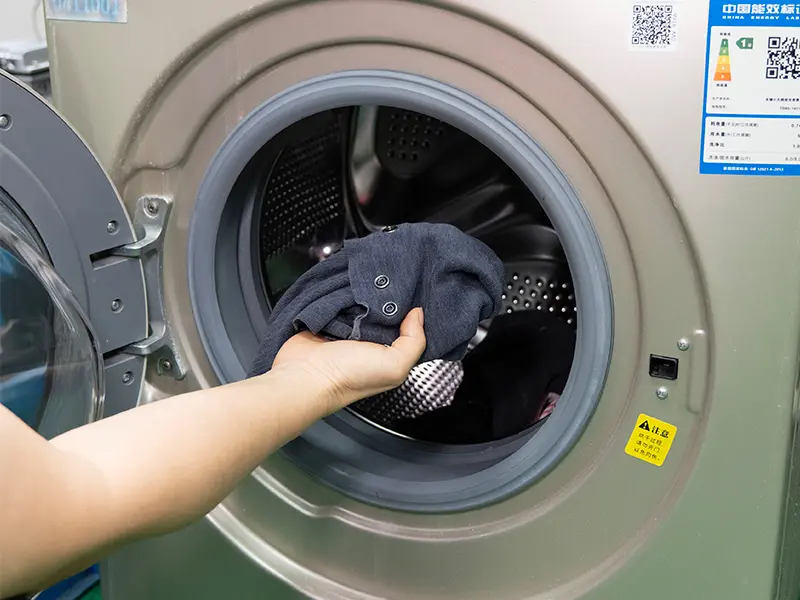
Quality control is integrated into every step of our manufacturing workflow. Every batch undergoes strict testing to meet our standards before shipping:
Detailed technical answers for sourcing managers, apparel designers, and quality inspectors.
Polished nickel features a highly reflective, mirror-like finish that highlights minor surface scratches and fingerprints. In contrast, brushed nickel is physically textured using fine wire wheels or abrasive belts, creating a directional satin look. This brushed finish is popular for workwear and modern jackets because it hides scratches, wear, and water spots.
We use nickel-free plating formulas that meet Oeko-Tex Standard 100 Class I guidelines for infant garments. By using copper and tin-cobalt white bronze alloys to replicate the brushed nickel look, we prevent allergic skin reactions while maintaining excellent durability and corrosion resistance.
Our standard MOQ for iron-based custom-molded snap buttons is 50,000 pieces. For copper, brass, and zinc-alloy buttons, the MOQ is 20,000 pieces per batch. We also accommodate smaller runs for premium fashion brands with setup adjustments.
Yes. We offer several customization options: embossed or debossed logos during die casting, laser engraving, and custom enamel filling. Simply provide your vector artwork (AI, PDF, or DXF), and we will create a 3D mock-up for your approval.
For coastal and marine wear, we use marine-grade H65 brass or AISI 316 stainless steel bases. These are plated with a double-thickness nickel barrier and sealed with an organic lacquer coating. This allows them to pass a 96-hour neutral salt spray test (ASTM B117) with zero oxidation.
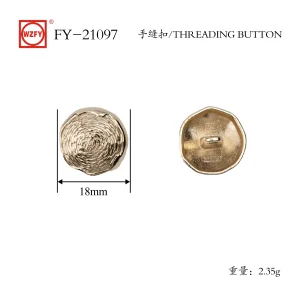
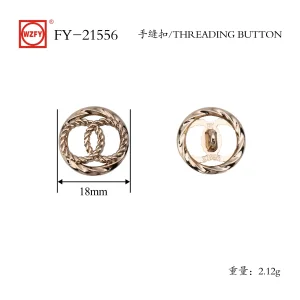
Retaining complete direct links to our premium manufacturing portfolio for easy procurement requests.
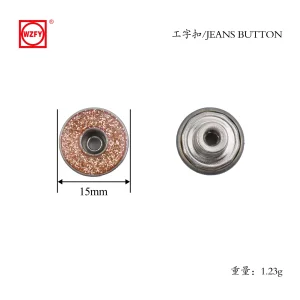
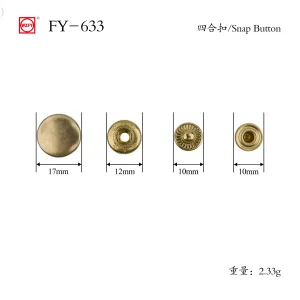
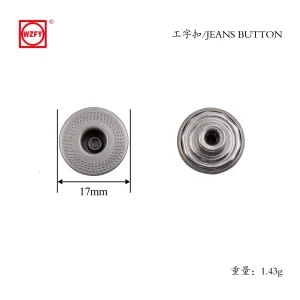
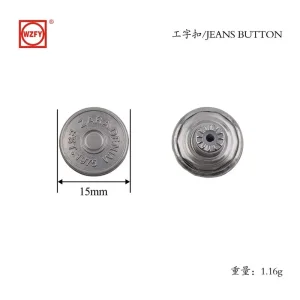
 Fangyuan Metal Button