High-precision components built to meet rigorous global engineering standards. Explore our core functional selections below.
A comprehensive B2B reference on plating stability, mechanical performance, and global supply chain resilience.
In modern high-end fashion, technical outerwear, and tactical luggage, metallic trim is no longer classified as merely utilitarian hardware. In particular, the Gun Black Finish (also known as dark ruthenium or black nickel) has grown to occupy a significant share of the premium trims market. Providing a deep, metallic, monochromatic charcoal-gray appearance, gun black options deliver a striking compromise between standard silver nickel and flat matte black coatings. However, managing the chemistry, adhesion, and sustainability profiles of these surfaces requires deep scientific control and extensive manufacturing expertise.
For global sourcing managers and procurement directors, navigating this hardware category requires balancing mechanical longevity and strict chemical compliance. As governments push for greener manufacturing initiatives, traditional heavy-metal electroplating methods have faced heavy restriction. Leading suppliers must innovate using Physical Vapor Deposition (PVD), advanced lacquer baking systems, and trivalent chemical compounds. This document outlines the technical framework, chemical composition, and supply chain capabilities required to execute reliable ODM gun black metal hardware production at scale.
Understanding metallurgical processes, coating layers, and resistance properties that guarantee product lifespan.
To produce a flawless gun black finish, manufacturers generally use copper, zinc alloy, brass, or stainless steel as base metals. The chemical structure of the coating varies depending on the product’s intended environment. For instance, classic electroplated gun black relies on the co-deposition of nickel and tin. For nickel-sensitive consumer groups (complying with standard EN 1811), manufacturers utilize trivalent chromium-based chemistry or ruthenium alloys to form a completely skin-safe barrier.
Additionally, modern physical vapor deposition (PVD) processes are increasingly specified for luxury items. PVD coatings vaporize target metals inside a high-vacuum chamber, vapor-condensing a microscopic, highly dense layer over the buttons. The process yields higher scratch resistance, a lower friction coefficient, and outstanding corrosion properties. It is also an eco-friendly coating process that generates zero wastewater or hazardous chemical runoff.
| Parameter | Traditional Electroplating | PVD (Physical Vapor Deposition) | Bake-on Lacquer Finish |
|---|---|---|---|
| Base Materials | Brass, Zinc Alloy, Iron | Stainless Steel, Brass, Zinc Alloy | All Metals, Aluminum |
| Coating Thickness | 0.5 - 2.0 Microns | 0.1 - 0.5 Microns (highly dense) | 5.0 - 15.0 Microns |
| Salt Spray Resistance | 24 - 48 Hours | 96 - 200+ Hours | 48 - 72 Hours |
| Chemical Safety | Requires Nickel-Free Lacquers | 100% Nickel-Free / Hypoallergenic | Lead-Free / Phthalate-Free |
| Durability & Wear | Moderate (may wear to base metal) | Extreme Scratch & Heat Resistance | Vulnerable to strong abrasive impact |
Tailored accessory systems designed for specific high-performance application sectors.
Delivering high-tensile, ultra-lightweight hardware (7.5mm to 11mm) that withstands repeat high-temperature commercial laundering without color migration or lacquer cracking.
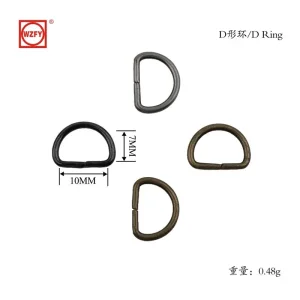
Focused on heavy-duty execution with robust D-rings, salopette buckles, and heavy-gauge eyelets certified for severe mechanical shear strain and dynamic load stress.
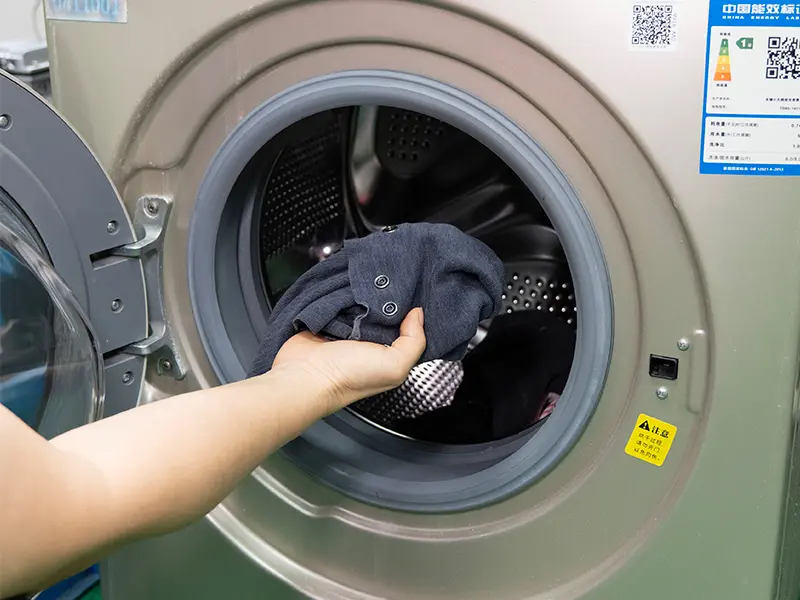
Featuring corrosion-resistant alloys built to survive stone washing, chemical bleaching, and extreme marine environments (96-hour continuous salt spray verified).
Direct performance data compiled by the Wenzhou Fangyuan Metal Button engineering and quality assurance team.
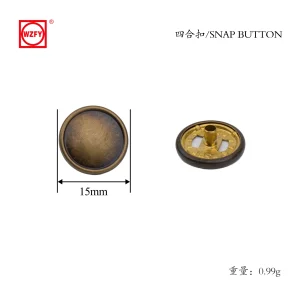
Manufactured from raw copper, brass, iron, or marine-grade stainless steel. Standard outer cap diameters range from 7.5mm up to 21mm. Advanced surface processing allows for carving, custom electroplating, multi-color paint fills, and certified nickel-free barriers. The Minimum Order Quantity (MOQ) stands at 50,000 pieces for iron configurations, and 20,000 pieces for premium brass and stainless steel alternatives. Packaging is structured at 720 functional sets per storage box.
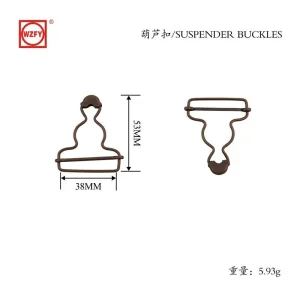
Designed utilizing high-grade brass wire, which ensures complete resistance to oxidation and sweat-induced corrosion. Mainly utilized on denim garments, gardener trousers, and safety workwear. These items can be manufactured to match customized dimensions provided by the WZFY technical reference tables. While standard shapes limit logo stampings on the wire frame, custom tooling can accommodate branding on corresponding adjustment buckles.
Corrosion-resistant components used to smoothly adjust strap lengths on vests, belts, backpacks, and tactical suspenders. Applied to the garment through direct fabric stitching or webbing loops. Custom colors are cross-referenced with WZFY’s international coating chart.
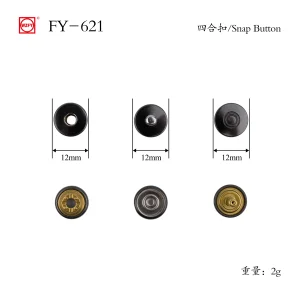
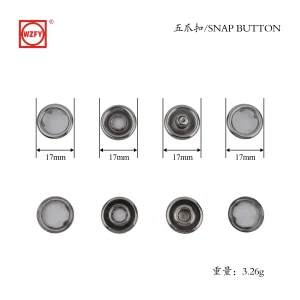
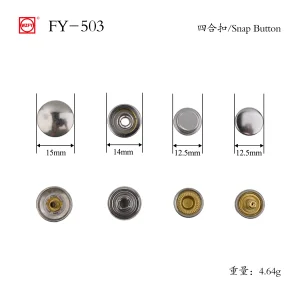
Produced from premium brass sheets to guarantee uniform expansion during application, eliminating split rims. Most commonly selected for heavy canvas knitwear, leather jackets, commercial luggage, and infant footwear. Dual-piece systems ensure maximum holding power on both high-pile and thin elastic materials.
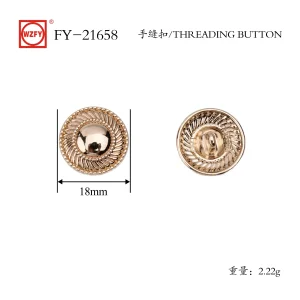
Constructed utilizing high-purity zinc alloy and structural brass posts. Our engineering division highly recommends performing material mock-up tests on actual production fabrics to determine optimized post length and setting pressure. WZFY provides complimentary testing reports to specify ideal application parameters, avoiding cut-through or loose settings.
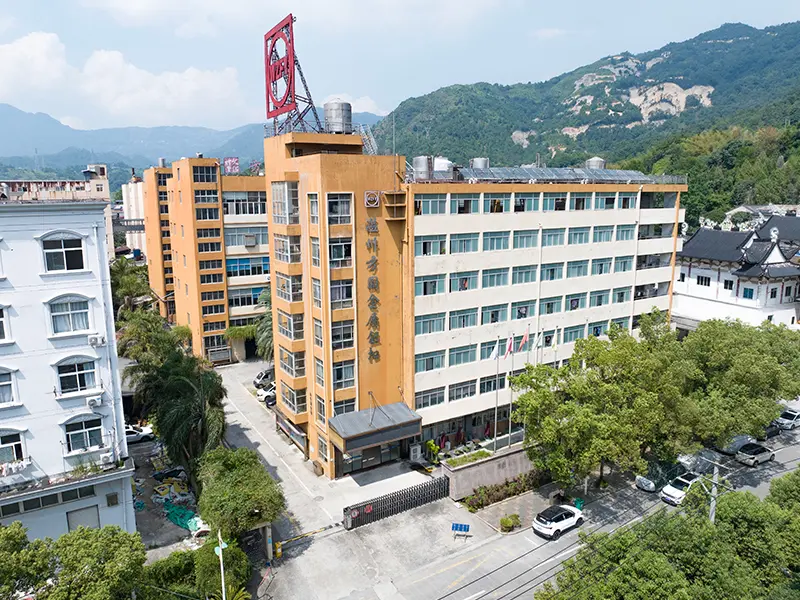
Established in 1995, delivering high-volume output from Qiaotou, Wenzhou—China's legendary button production cluster.
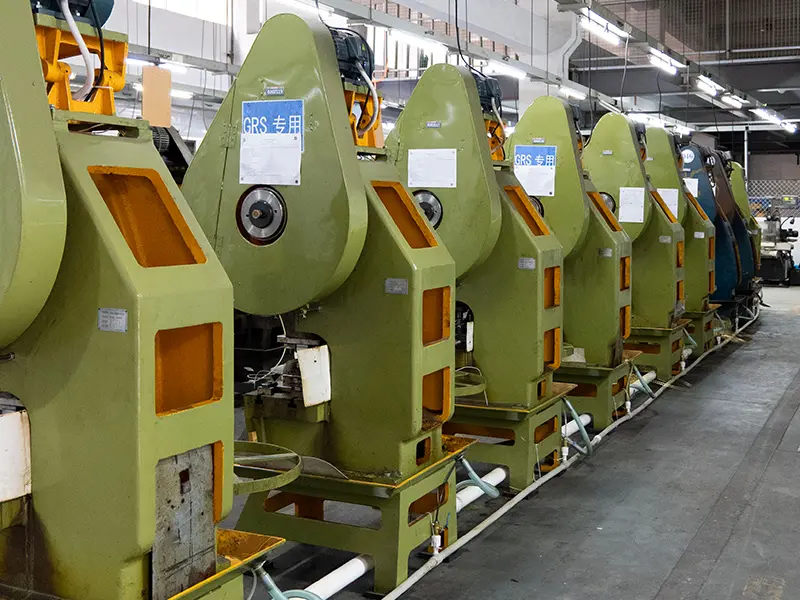
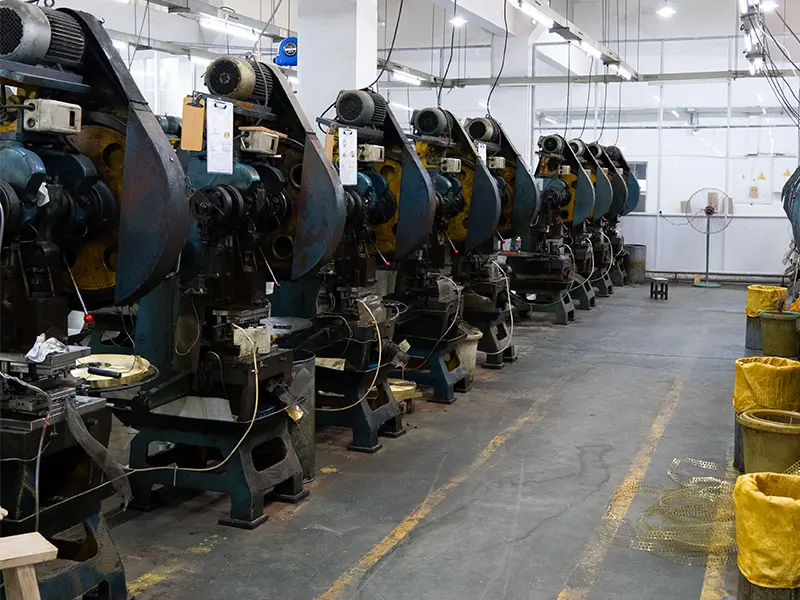
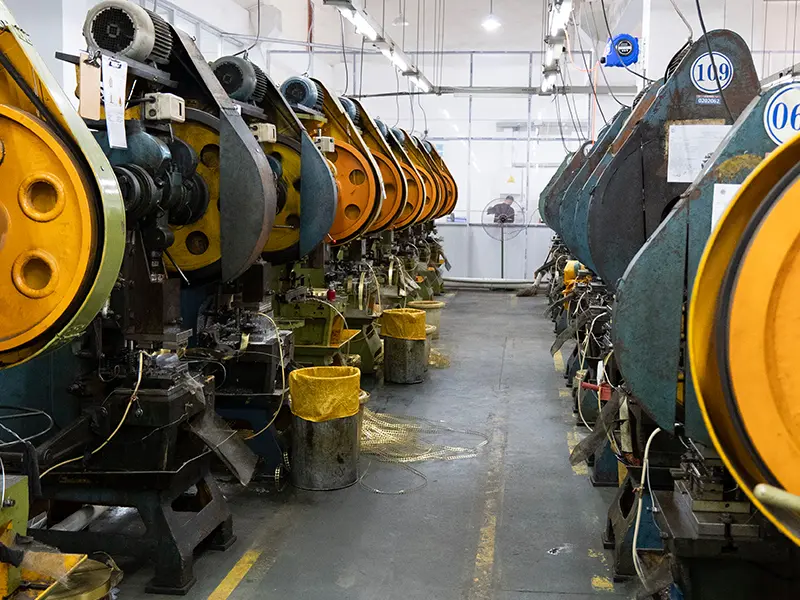
Our manufacturing complex spans over 15,000 square meters of high-capacity production space. Supported by more than 500 skilled professionals, including 90+ advanced engineers and production managers, our annual facility output exceeds 100 Million Yuan. The company maintains full independent import and export rights to streamline global custom processing.
WZFY operates advanced automatic casting machines, high-speed multi-stage heading machinery, and an automated eco-friendly surface finishing loop. Our factory layout complies with international standards, ensuring rapid transition from customized ODM designs to large-scale mass distribution within tight lead times.

Pioneering new standards in smart hardware, biological metal finishes, and carbon-neutral metallurgy.
To maintain a strategic market advantage, WZFY’s R&D team targets three primary development paths: material optimization, environmental responsibility, and supply chain digitization. As circular economy regulations tighten, we are proactively shifting toward 100% recycled brass and stainless steel inputs. By reducing virgin mining reliance, we lower the embodied carbon footprint of our finished buttons by up to 45%.
For chemical finishes, our laboratory is scaling up high-durability nano-organic clear coats. These coatings are cured with specialized UV lasers to offer superior chemical and solvent protection compared to traditional bake-on lacquers. Furthermore, we are refining next-generation PVD physical plating setups to achieve deep gun black finishes on zinc castings without requiring copper undercoats, offering clean, zero-waste metallurgical production.
Tested parameters to safeguard consumer safety and pass international customs entry protocols.
To serve top-tier international apparel groups, products must meet strict testing protocols. Our manufacturing plants maintain full compliance under ISO9001:2008 (Quality Management Systems) and ISO14001:2004 (Environmental Management Systems). Additionally, our metal trims carry authorization to use the European Union environmental label Oeko-Tex Standard 100 Class I, ensuring safe use in baby clothing and childrenswear.
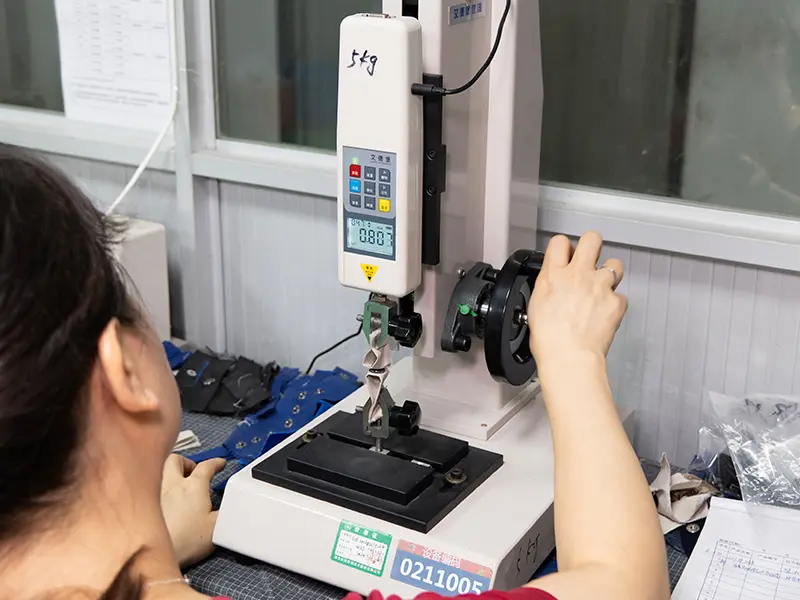
We proactively test every production run to ensure compliance with REACH regulations, CPSIA guidelines for lead, and California Proposition 65 limits on heavy metal migration. Our mechanical testing lab validates functional parameters, ensuring snap actions withstand 200N tensile pulls and remain secure for the garment's lifetime.
Direct technical answers from WZFY’s B2B procurement and surface engineering team.
We prevent nickel migration by avoiding traditional nickel electroplating. Instead, we use advanced copper-tin alloys or premium PVD processes. Each batch is verified via nickel release testing (EN 1811) to ensure it stays well below limits required by international health and safety standards.
Once the 2D/3D CAD drawing is approved, prototype tooling takes 7 to 10 working days. Pre-production samples are then finished in the specified gun black plating for client verification. Upon sample sign-off, bulk production runs are typically completed within 15 to 25 days depending on the order size.
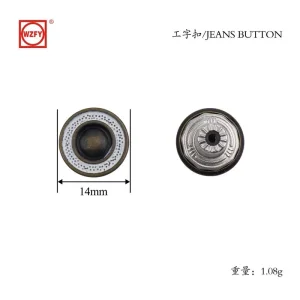
Yes. For denim designs subjected to harsh factory stonewashing, chemical bleaching, or enzyme cycles, we apply a high-durability baked-on lacquer coating or specify Physical Vapor Deposition (PVD). This process guarantees the metallic finish retains its dark finish without exposing the base metal.
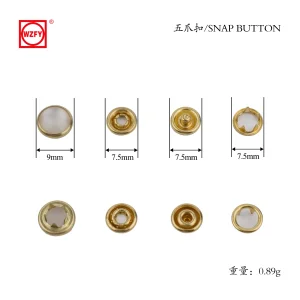
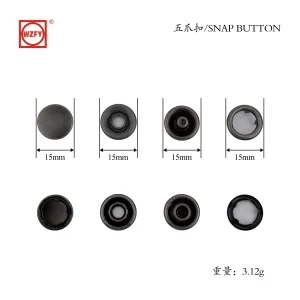
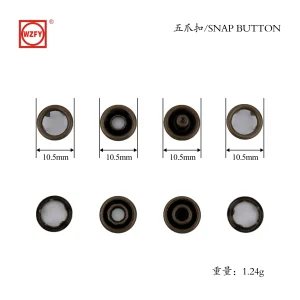
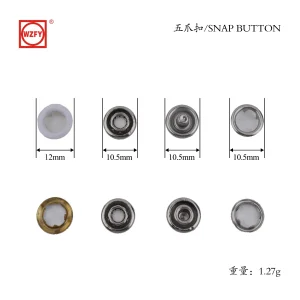
For infant wear, we calibrate our 5-prong snap fasteners to meet a safe opening tension range of 7.0 to 15.0 Newtons. This balance ensures buttons stay securely fastened during active wear, yet are easy for parents to release without tearing delicate knit cottons.
Browse our catalog of custom hooks, vintage blazer hardware, and heavy-duty structural attachments.
 Fangyuan Metal Button