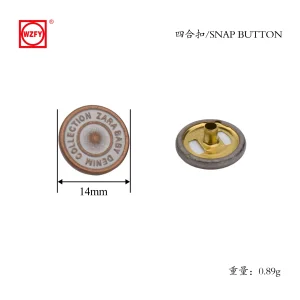
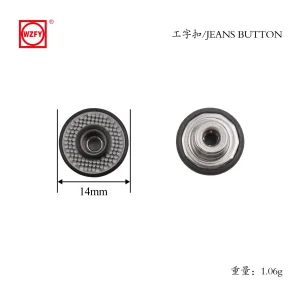
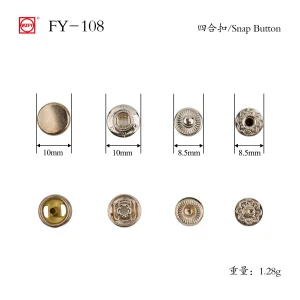
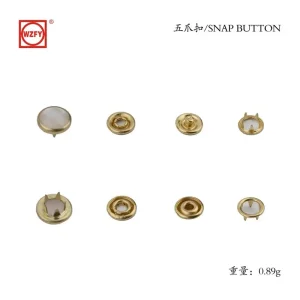
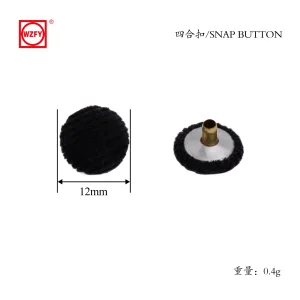
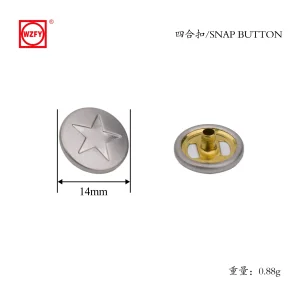
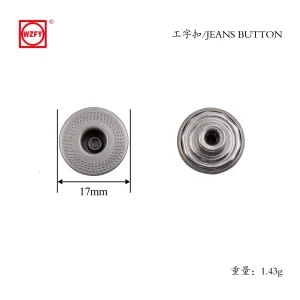
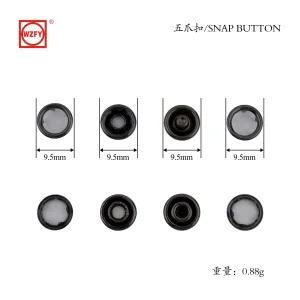
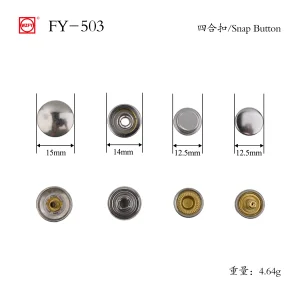
Explore our industrial range of precision engineered buckles, through-hole snaps, letter panels, and multi-hole threading buttons designed for suits, outerwear, and high-fashion applications.
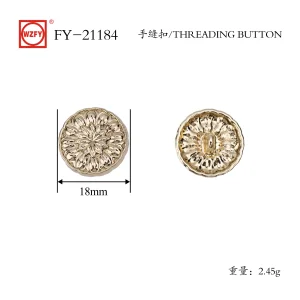
In the hyper-competitive realm of modern apparel supply chains, the choice of raw materials defines the shelf appeal and durability of finished garments. Resin buttons—synthesized primarily from high-grade unsaturated polyester resin (UPR)—form the cornerstone of standard and haute couture fastening technologies. Unlike natural horn, bone, or wood, which present issues with material inconsistency and susceptibility to degradation, custom-engineered resin can be manipulated to duplicate natural textures with high structural integrity and aesthetic precision.
The global resin button sector is characterized by a strong demand for materials that withstand physical abuse and chemical agents. Fast fashion demands millions of identical trims weekly, while luxury houses require customized buttons with complex internal light refraction profiles, heavy weight distribution, and laser-engraved branding. This bifurcation has pushed ODM (Original Design Manufacturer) and OEM (Original Equipment Manufacturer) partners to evolve from simple mold shops into chemical material formulation and surface-finishing labs.
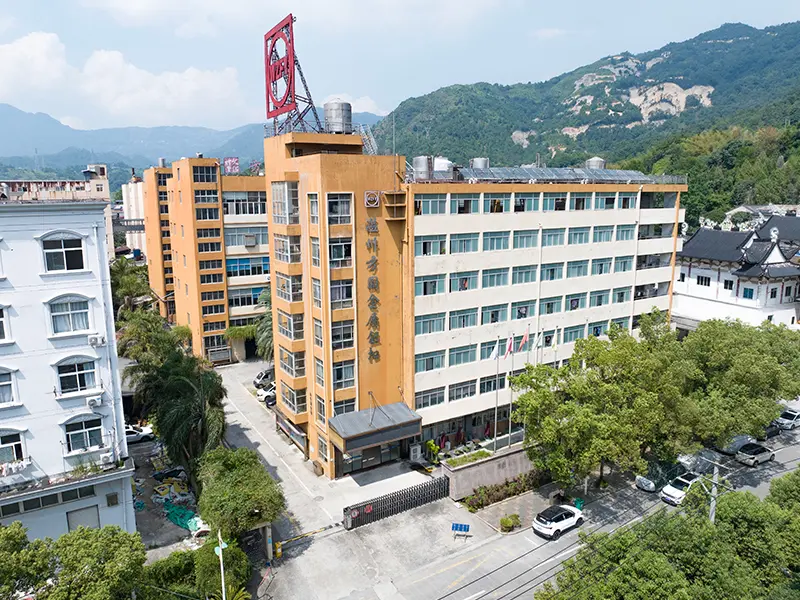
To gain a competitive edge, factories must leverage advanced polymerization techniques. Wenzhou Fangyuan Metal Button Co., Ltd. leads this movement from its headquarters in Qiaotou, Wenzhou—widely recognized as China's primary base for button design, processing, and distribution. We blend classic manufacturing expertise with AI-enabled color management to provide buyers with reliable, chemical-resistant resin options.
Resin button chemistry centers on the cross-linking reaction between unsaturated polyester polymers and monomer cross-linking agents, such as styrene. To achieve the aesthetic properties required by international brands, colorants, pearlescent pastes, and curing catalysts (such as methyl ethyl ketone peroxide, or MEKP) are mixed under vacuum conditions. The curing process involves a controlled exothermic transition from liquid to solid. Below is a detailed view of the typical parameters involved in our production processes:
| Performance Parameter | Standard Resin (UPR) Value | High-Impact Copolymer Core | Testing Reference Method |
|---|---|---|---|
| Barcol Hardness | 40 - 45 | 48 - 55 | ASTM D2583 |
| Tensile Strength (MPa) | 50 - 65 MPa | 70 - 85 MPa | ISO 527-2 |
| Heat Deflection Temp (HDT) | 75°C | 98°C | ISO 75 (0.45 MPa) |
| Dry Cleaning Resistance | Excellent (Perchloroethylene safe) | Impervious (No swelling/dulling) | ISO 105-D01 |
| Free Formaldehyde Level | < 75 ppm (Standard) | 0 ppm (ND - Non-detectable) | OEKO-TEX Class I (Baby Standard) |
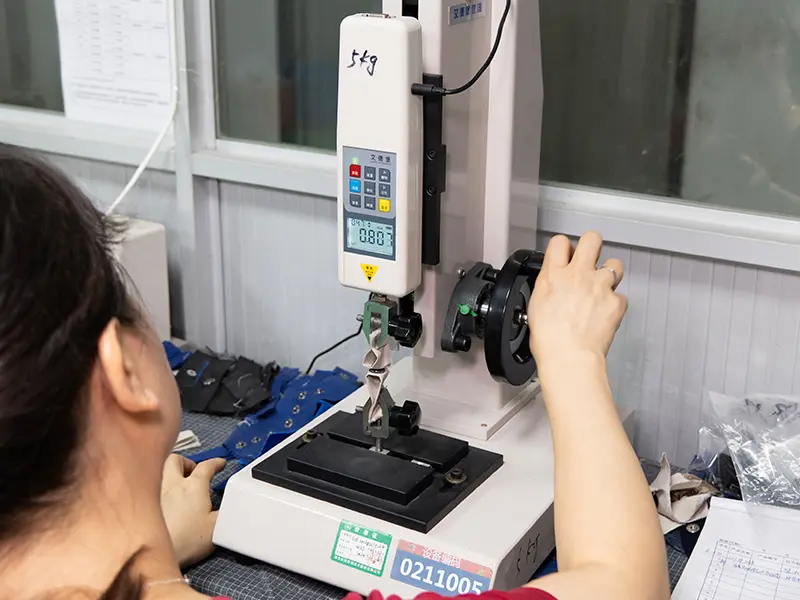
| Pull-Off / Snap Strength | > 90 N | > 120 N | ASTM F963 (Tension Test) |
A history of manufacturing excellence since 1995, delivering high-performance accessories to global brands.

 Wenzhou Fangyuan Metal Button Co., Ltd.
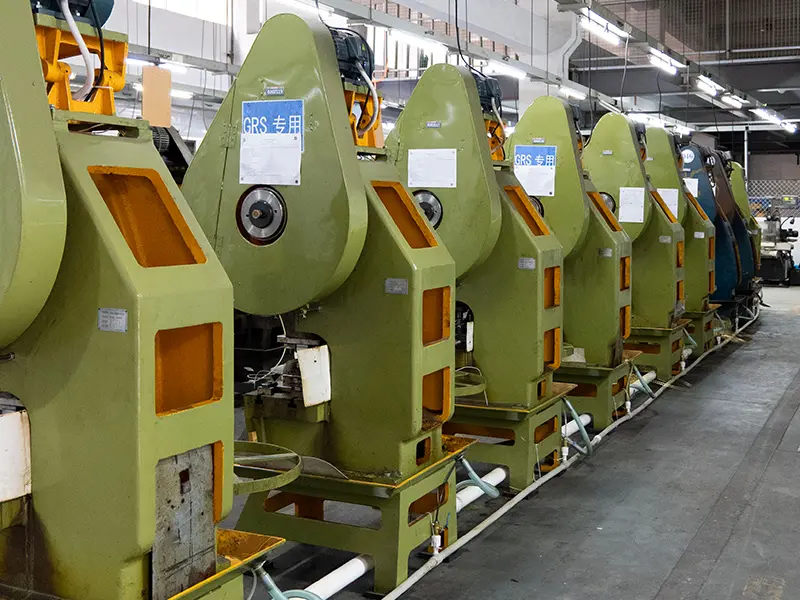
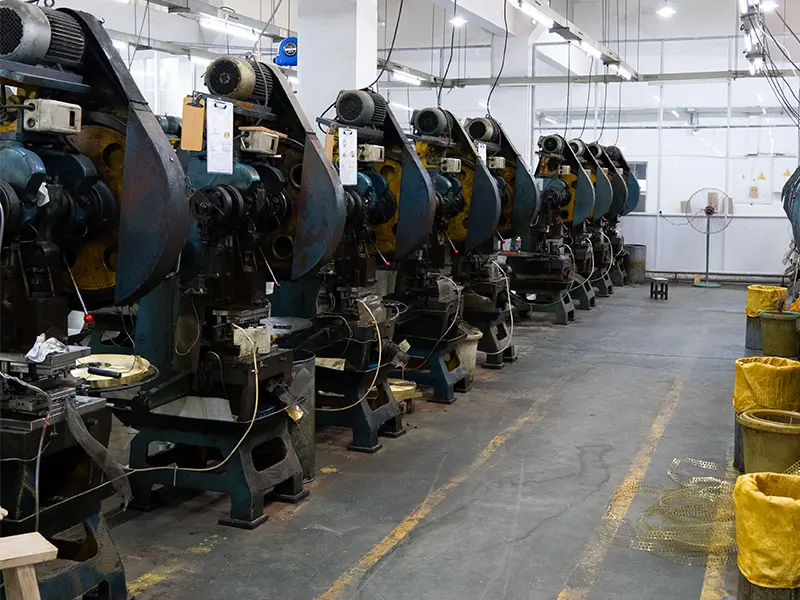
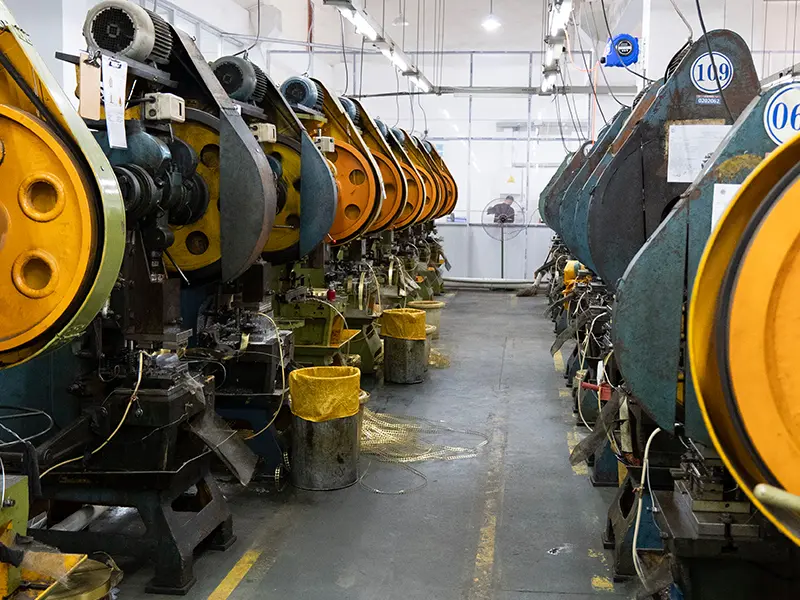
Established in 1995, Wenzhou Fangyuan Metal Button Co., Ltd. is based in Qiaotou, Wenzhou, China's largest button production base. The joint-stock enterprise occupies 30 mu (approximately 16 acres) of land, featuring a modern manufacturing plant with a construction area of 15,000 square meters.
With a workforce of over 500 personnel—including more than 90 dedicated management and engineering specialists—our annual output value reaches 100 million Yuan. Possessing independent import and export licenses, we distribute components to key manufacturing centers in the EU, the Americas, Southeast Asia, and the Middle East. We specialize in producing metal buttons, jeans buttons, trouser hooks, rivets, and high-performance resin solutions.
How we design resin and metal button styles to meet the performance and aesthetic demands of diverse product categories.
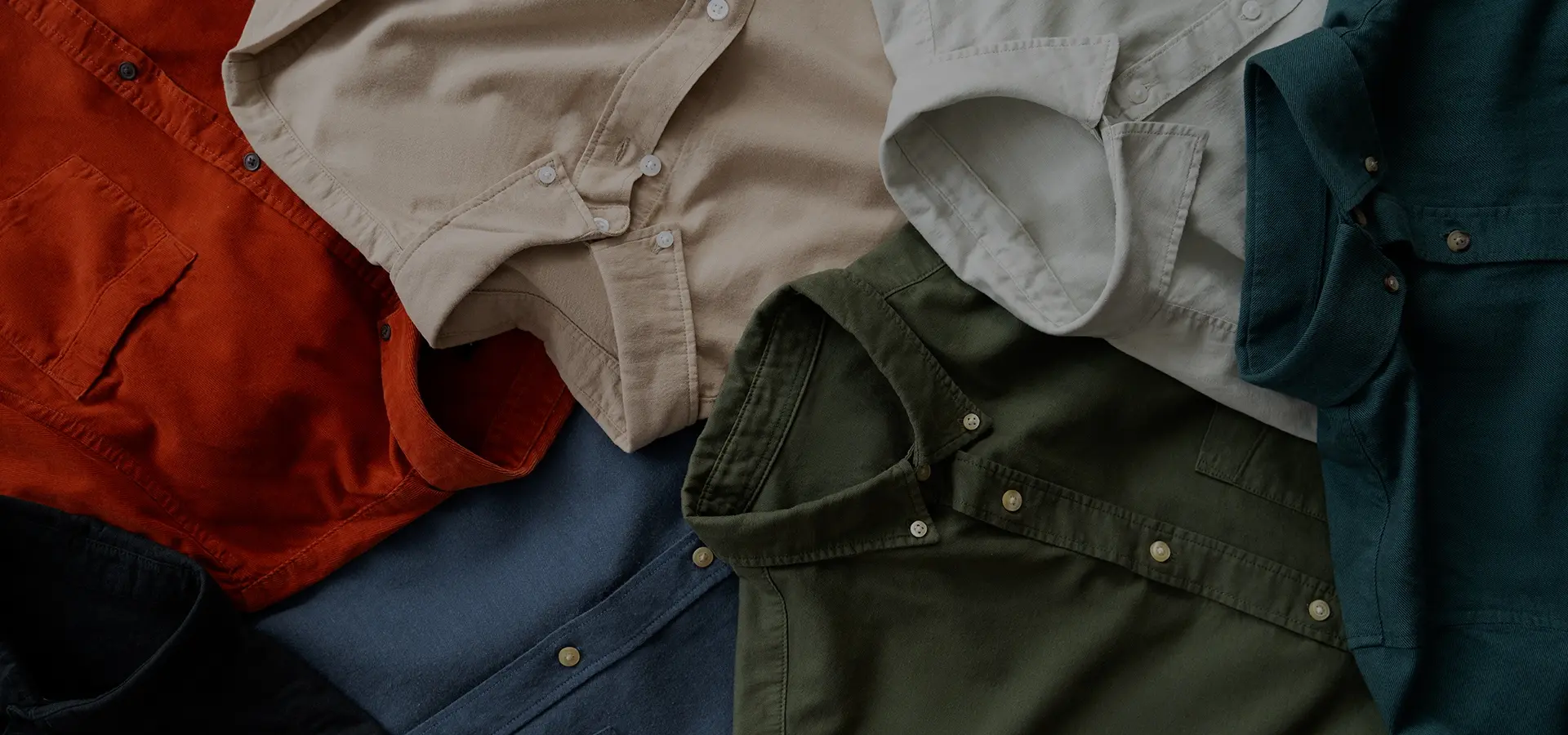
Shirt buttons prioritize functional reliability and neat appearance, ensuring clean alignment and performance under repeated commercial laundering cycles.
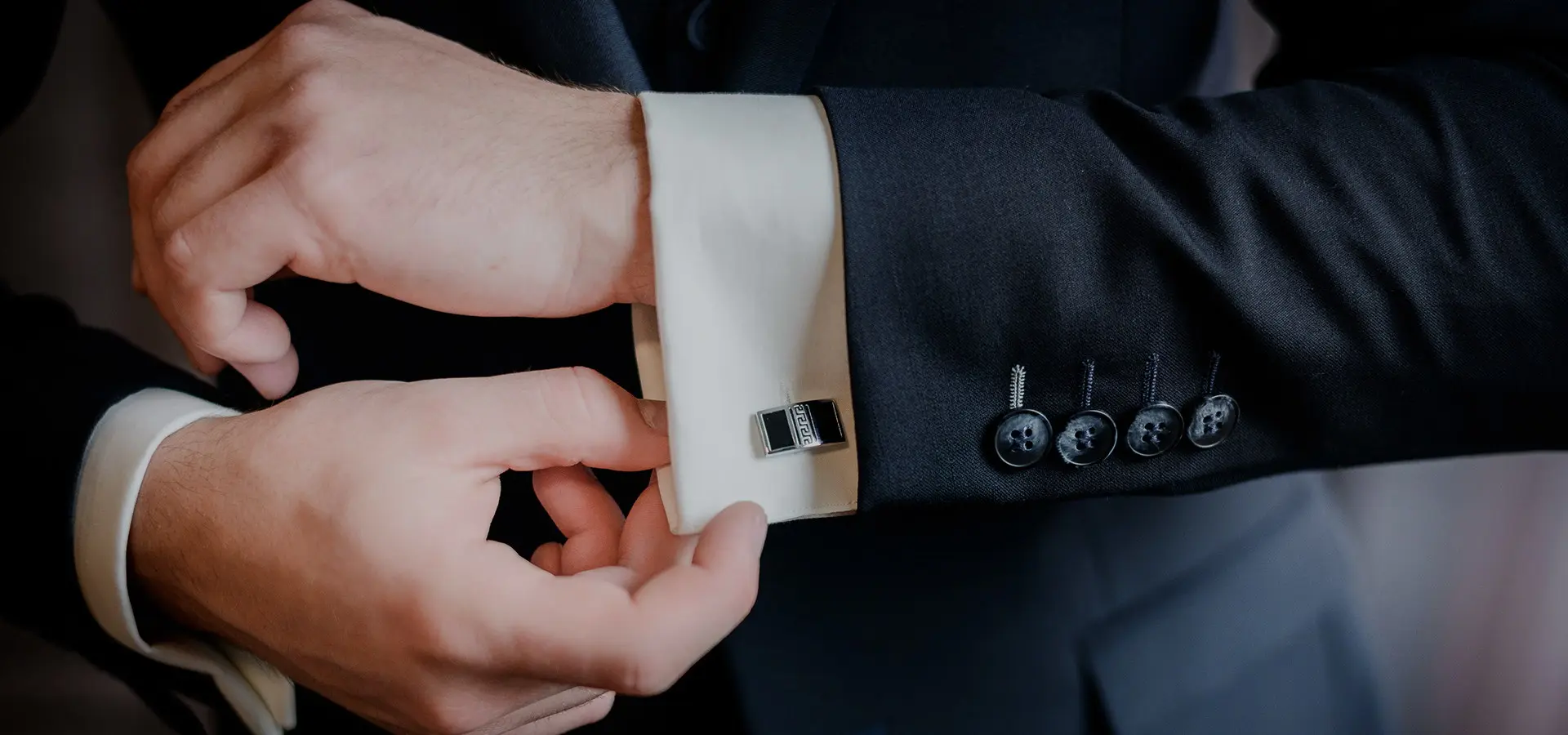
Suit buttons define silhouette lines and formal etiquette. Our designs duplicate horn and shell structures to ensure durability and standard dimensions.
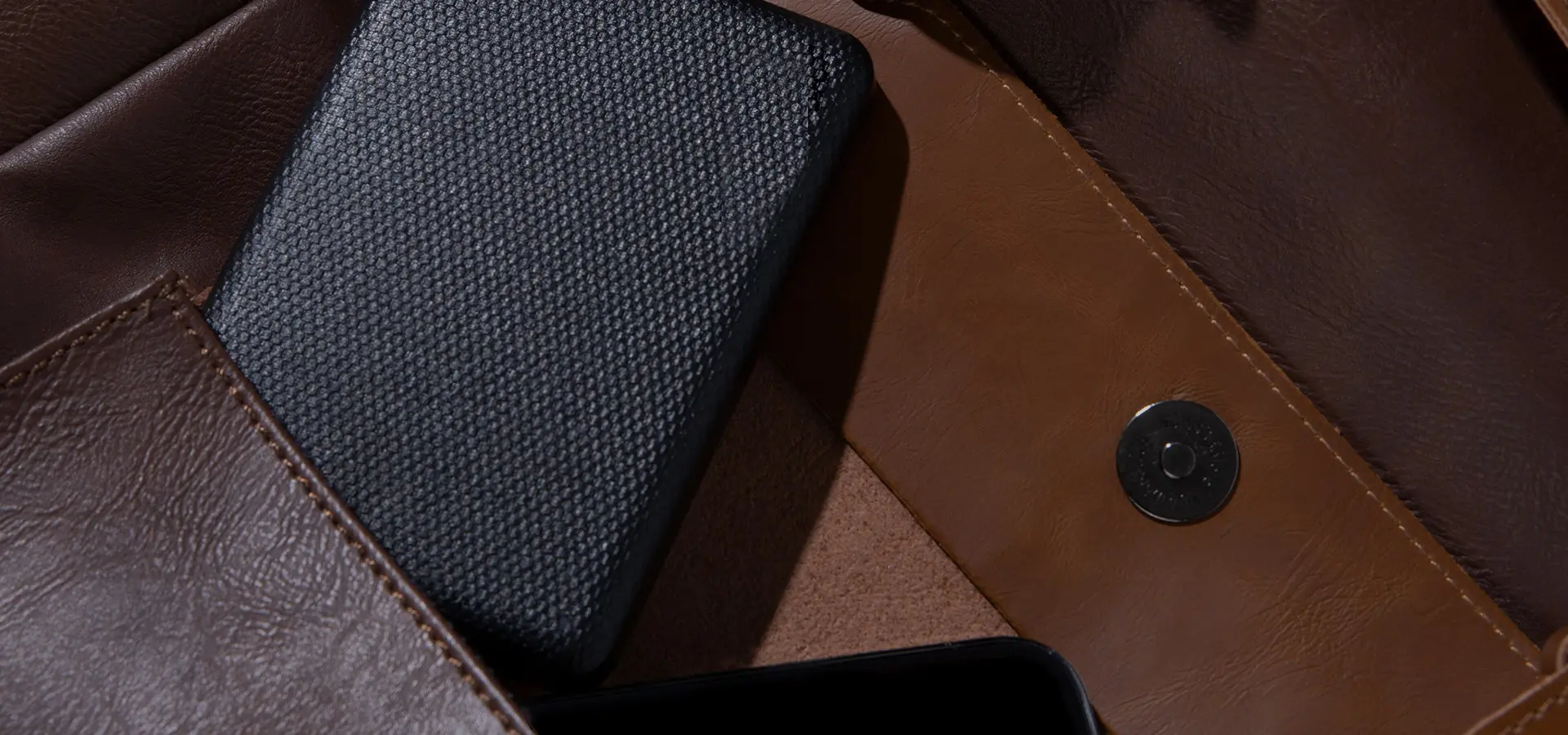
Focusing on high load capacity and closure security, these buttons protect items in rugged travel environments.
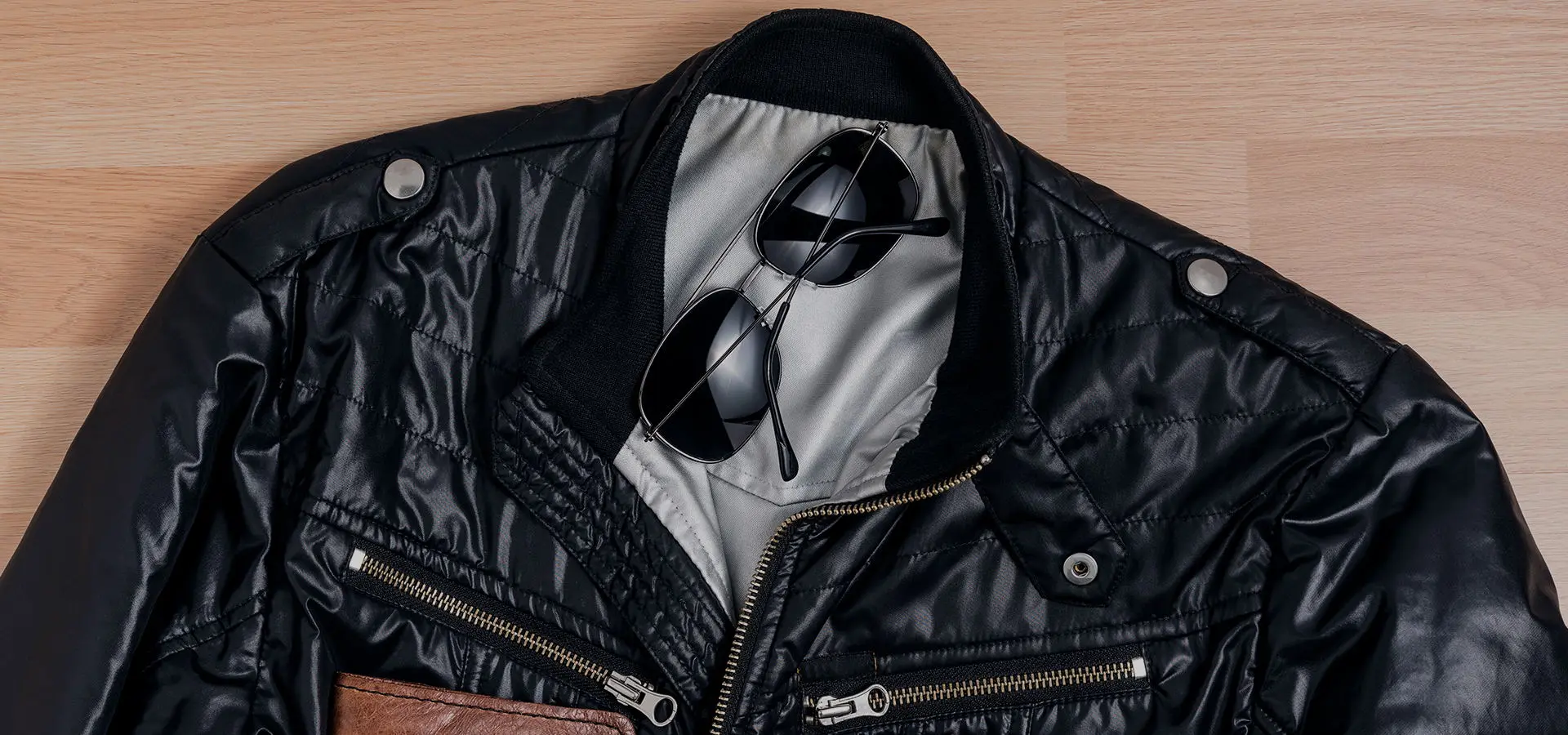
Engineered for durability to match tough, thick leather components, these buttons withstand mechanical stress and match vintage look styles.
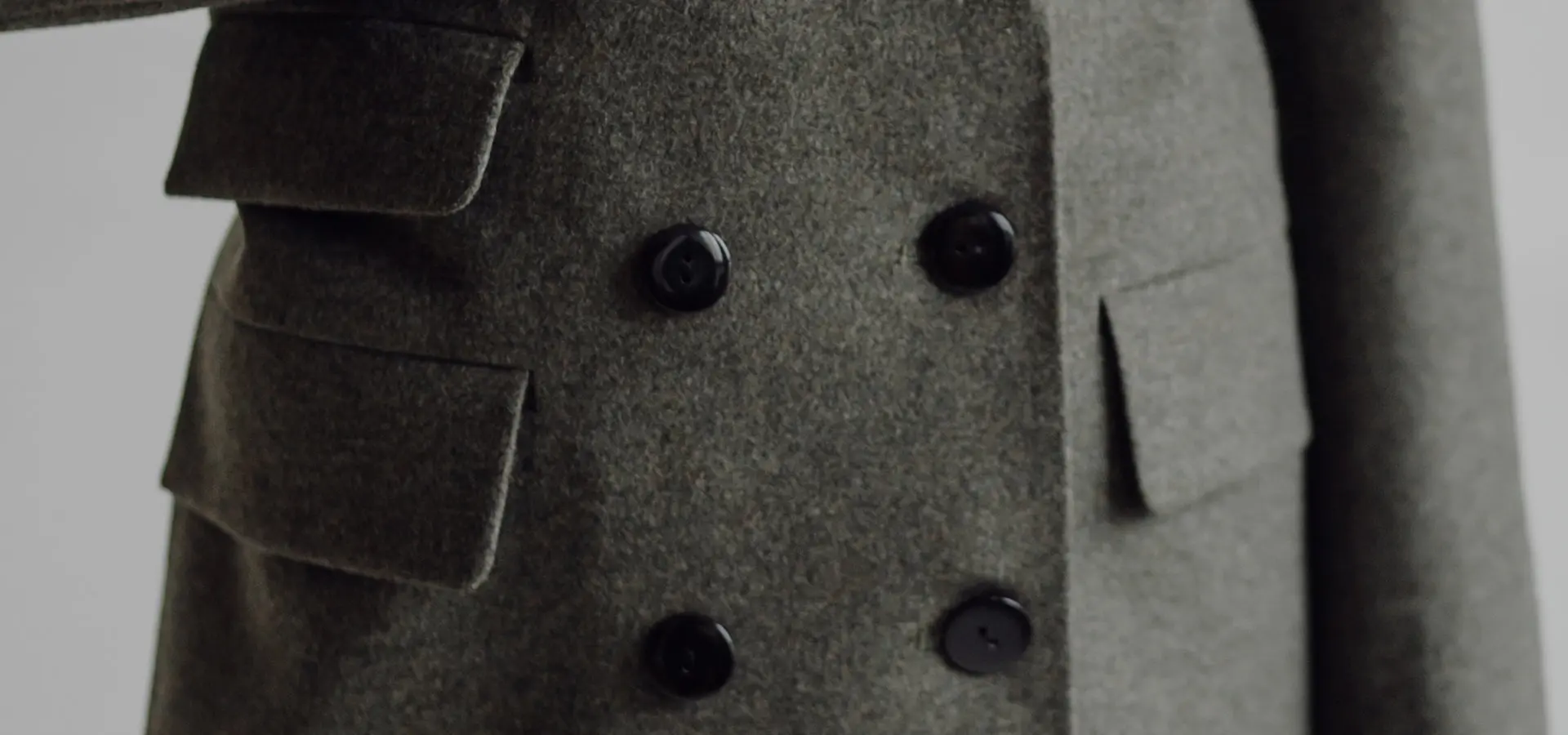
Balancing weather protection and styling versatility, these trims perform reliably in outdoor and wet environments.
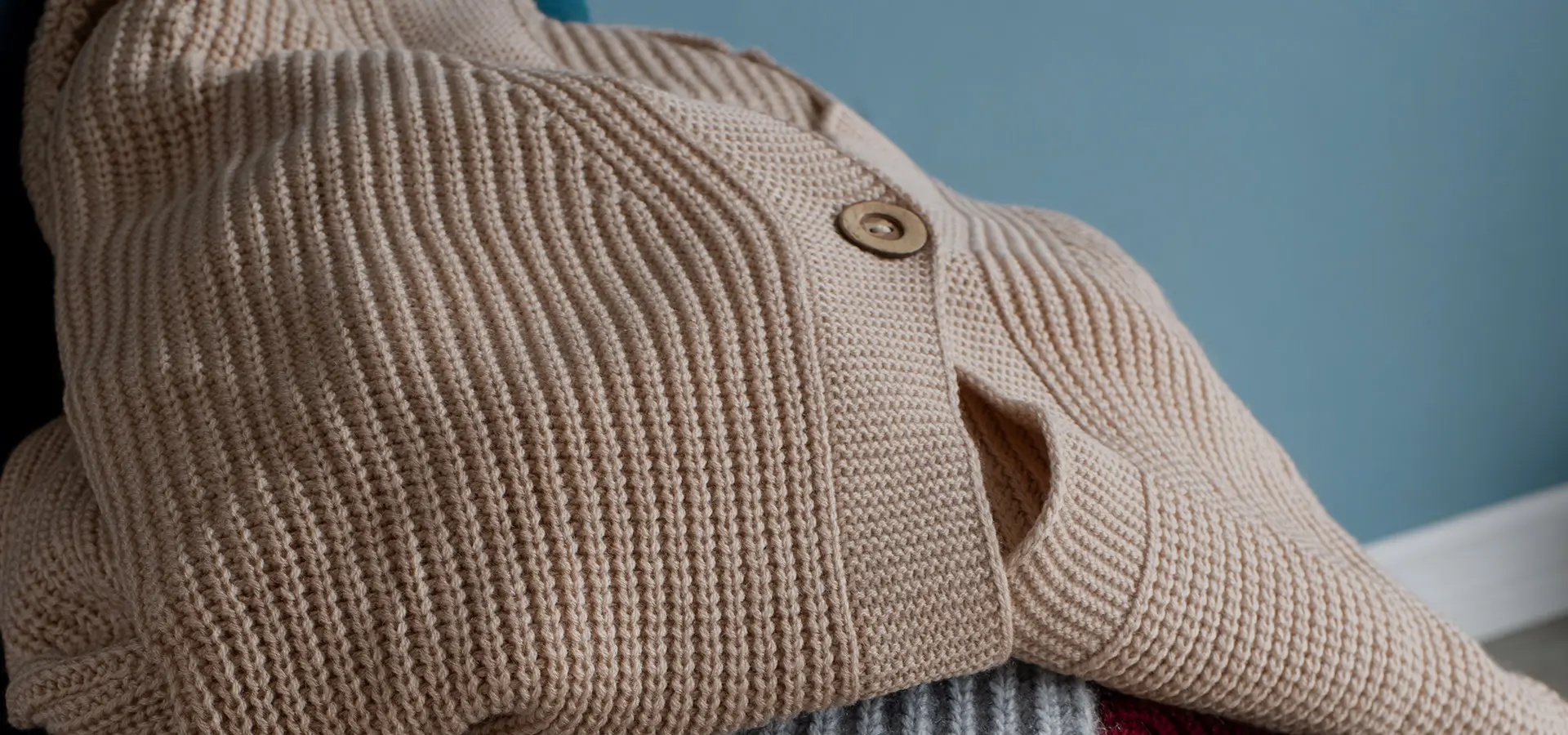
Comfort-oriented design. These light, smooth-edged buttons prevent damage to soft, open-weave knitted fabrics.
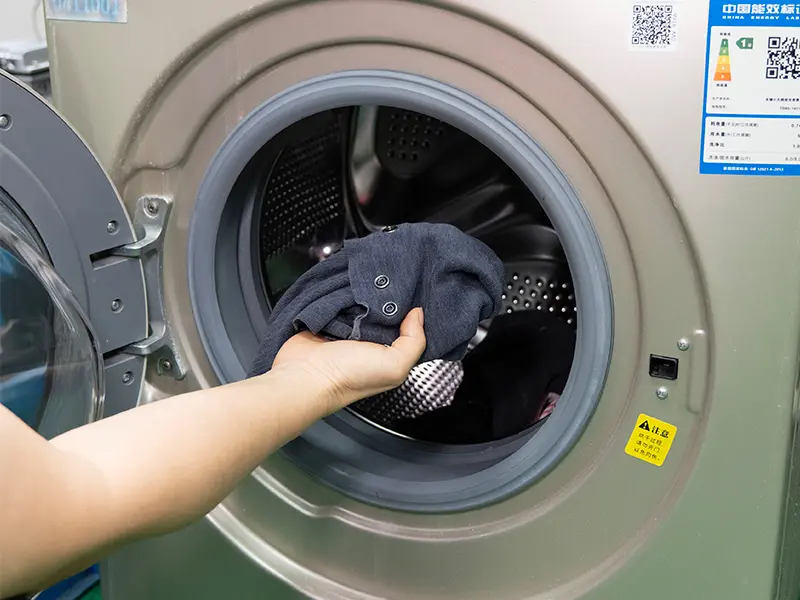
Our buttons undergo testing for chemical safety and physical durability to meet strict global export standards.
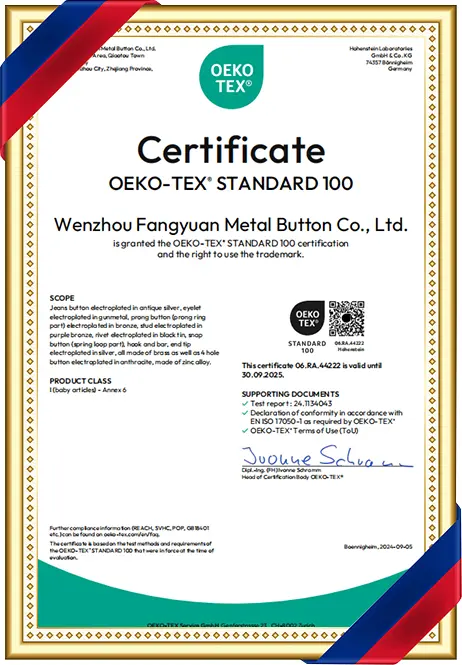
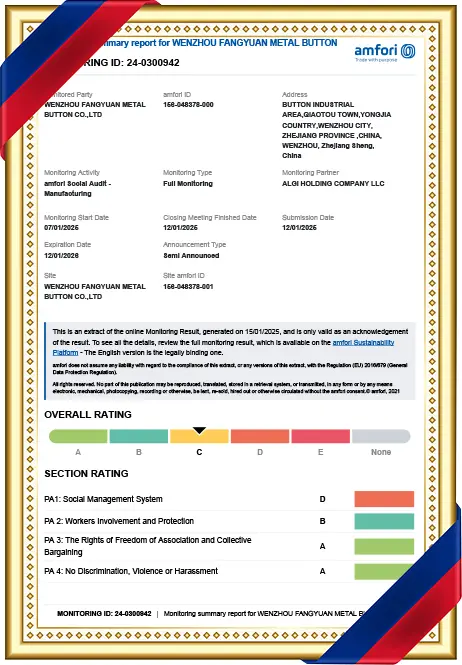
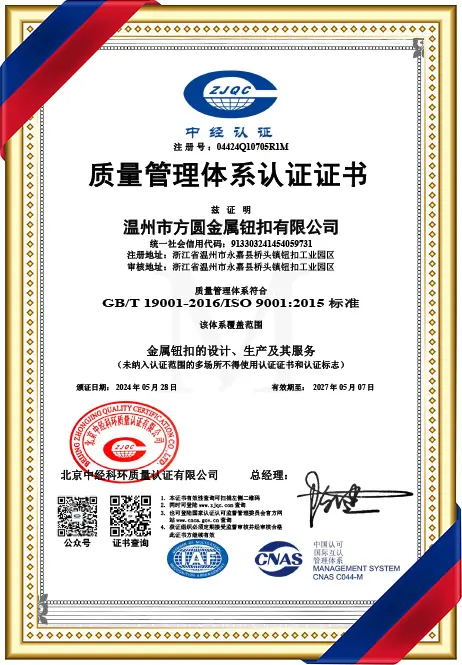
Chemical compliance is critical when exporting trims to North America and the European Union. Wenzhou Fangyuan has implemented strict testing structures, achieving ISO9001:2008 and ISO14001:2004 environmental system management approvals.
Crucially, our accessories comply with the Oeko-Tex Standard 100 Class I system. This certification ensures our buttons are free from harmful quantities of azo dyes, phthalates, nickel, and heavy metals, making them suitable even for baby and infant garments.
By managing chemical components during the resin compounding phase, we ensure that our buttons remain stable without leaching compounds, even when subjected to heavy ironing heat, steam treatment, or enzyme wash protocols.
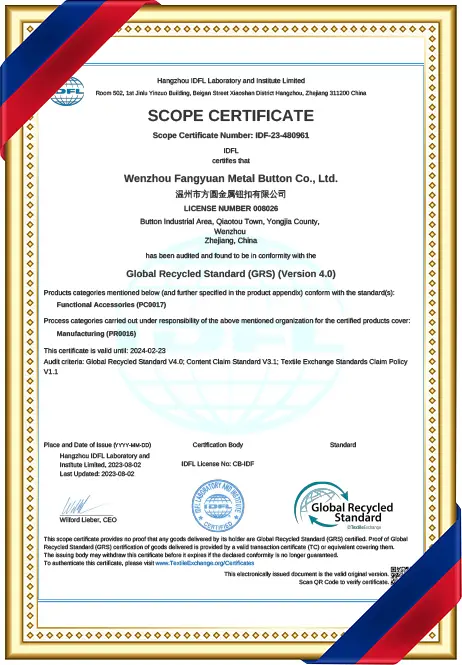
Brands are shifting away from fossil-based materials. Our research team is developing polyester resins derived from post-consumer recycled PET bottles and plant-based, biodegradable polyols. This transition reduces carbon footprint metrics while maintaining mechanical and physical performance parameters.
Using multi-stage, high-speed rotary drums, we feed different colored liquid resin streams into a single mold. Centrifugal forces distribute the pearlescent and solid pigments to create complex imitation horn structures, tortoise effects, and striped wood patterns, ensuring each run is consistent.
We implement automated color spectrophotometer analysis to match Pantone references within a delta-E limit of < 0.5. After forming, CO2 laser cutters engrave brand typography, logo details, and edge text directly onto the button faces with sub-micron precision.
From initial design mockup to global chemical logistics, we streamline production for major fashion brands.
We understand that bulk garment manufacturing processes operate under tight deadlines. Delays in receiving trims can stall entire production lines. Our team has developed a collaborative three-stage framework to accelerate validation:
Expert answers to common questions about our custom manufacturing capabilities, chemical standards, and order processing.
Browse our catalog of special flat plates, fabric buckles, jeans buttons, five-prong configurations, and vintage suit blazers.
 Fangyuan Metal Button