Industrial grade buttons, hooks, and fasteners for global markets
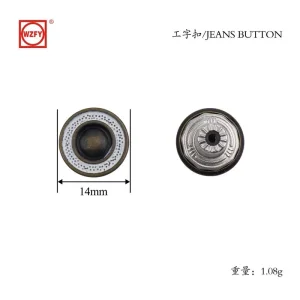
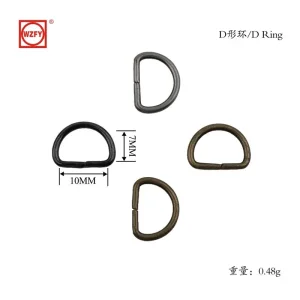
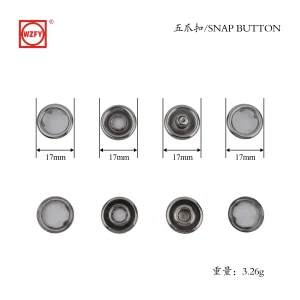
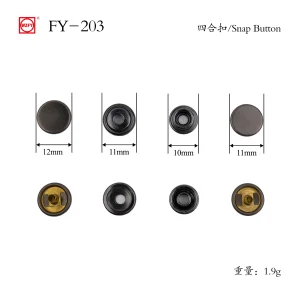
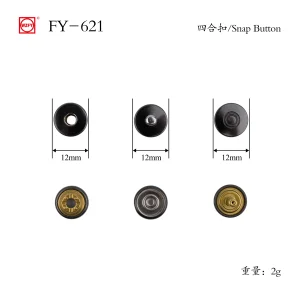
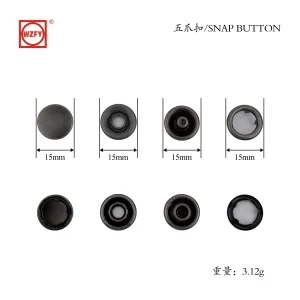
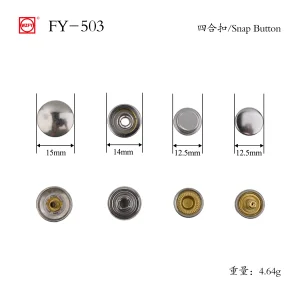
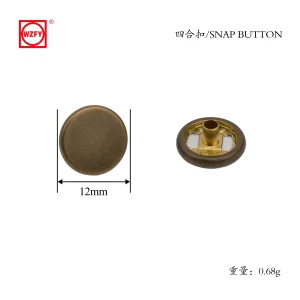
A strategic guide on material selection, environmental compliance, and global supply chains in garment accessories manufacturing.
In the modern fashion, luggage, and outdoor gear industries, apparel hardware is no longer considered a basic utility component. High-performance brands recognize that metal buttons, rivets, and buckles serve as key structural stress points and central design statements. To fulfill high-volume global procurement mandates, procurement officers must secure hardware that satisfies three core requirements: mechanical reliability (minimum tensile strength thresholds), chemical compliance (REACH, RoHS, Oeko-Tex Standard 100), and supply chain continuity.
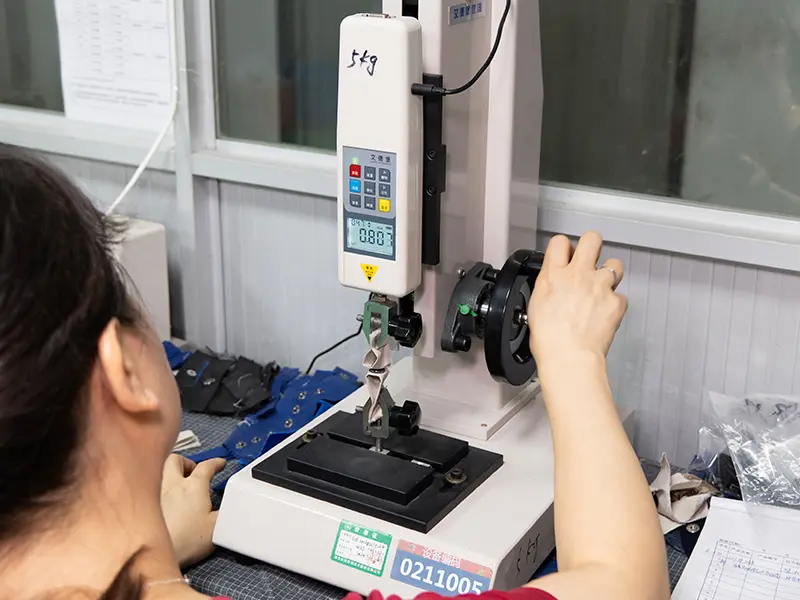
When sourcing from a China "There is a pattern" supplier and factory like Wenzhou Fangyuan Metal Button Co., Ltd., global enterprises benefit from centralized, highly scaled manufacturing hubs. The integration of advanced metallurgical refining with precision stamping tools guarantees that every batch is uniform. For instance, top apparel brands enforce a minimum button-pull-off force rating of 90 Newtons for adult garments and even higher constraints for infants. To guarantee these thresholds, factories must run automated load tests and certify their brass wire and zinc alloy chemical compositions.
At the industrial level, standard metal hardware is subject to intensive wear. High humdity, friction, and chemical detergent exposure require surface treatments that prevent corrosion. Industrial solutions involve advanced physical vapor deposition (PVD), electroplating, and chemical passivation. Copper and brass alloys remain the materials of choice due to their natural corrosion resistance and strength. Wenzhou Fangyuan Metal Button Co., Ltd. uses specialized brass wire formulations designed to withstand mechanical deformation without cracking.
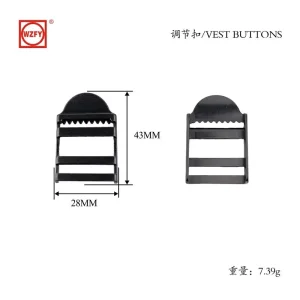
For specialized apparel like heavy-duty denim overalls and technical outerwear, factories deploy specialized lines of suspender buckles and adjustment buckles. These must form a smooth, integrated system with the fabric. A common pain point is the slide resistance of the buckle on heavy denim. If the wire tolerance is slightly off, the hardware will bind or release unexpectedly. Our dedicated testing laboratories run cycle tests simulating thousands of slide cycles to prevent field failures.
Detailed metallurgical and dimensional properties of our key product categories
How specialized metal hardware defines functionality across target product lines
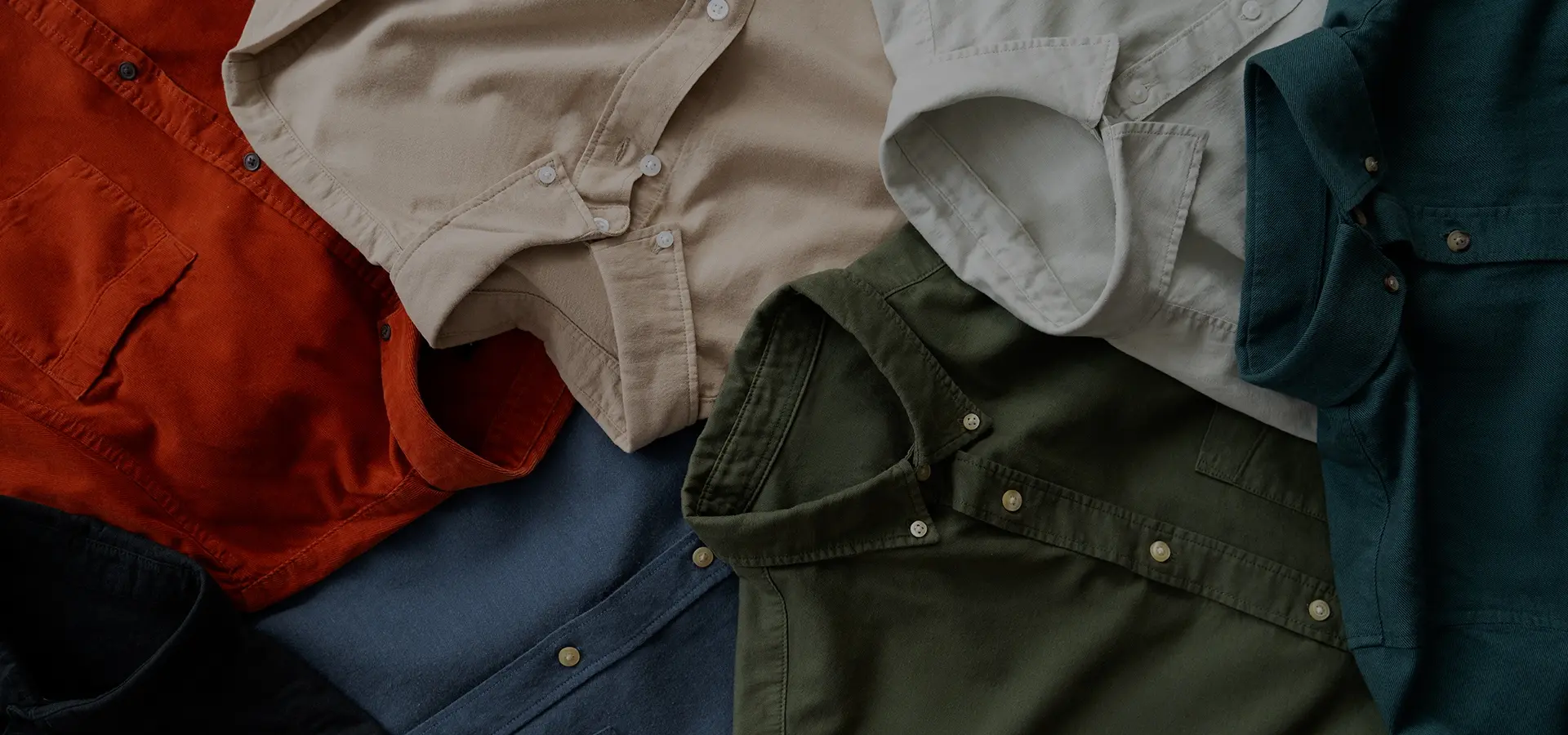
 Premium Shirts
Shirt closures prioritize reliable daily function alongside clean styling, keeping garment lines structured and neat.
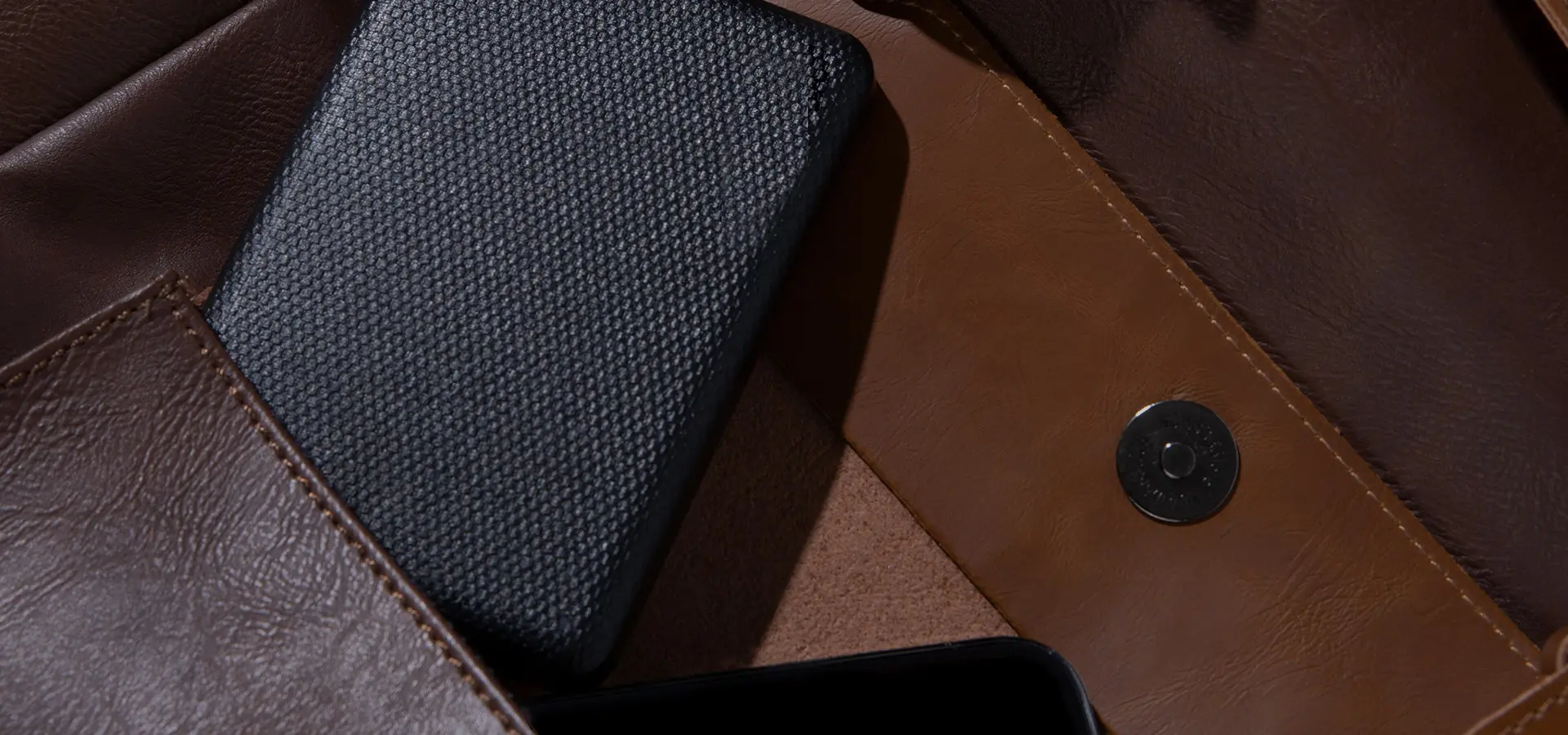
 High-End Luggage
Luggage hardware focuses on robust mechanical load capacities and locking systems, protecting gear through travel stresses.
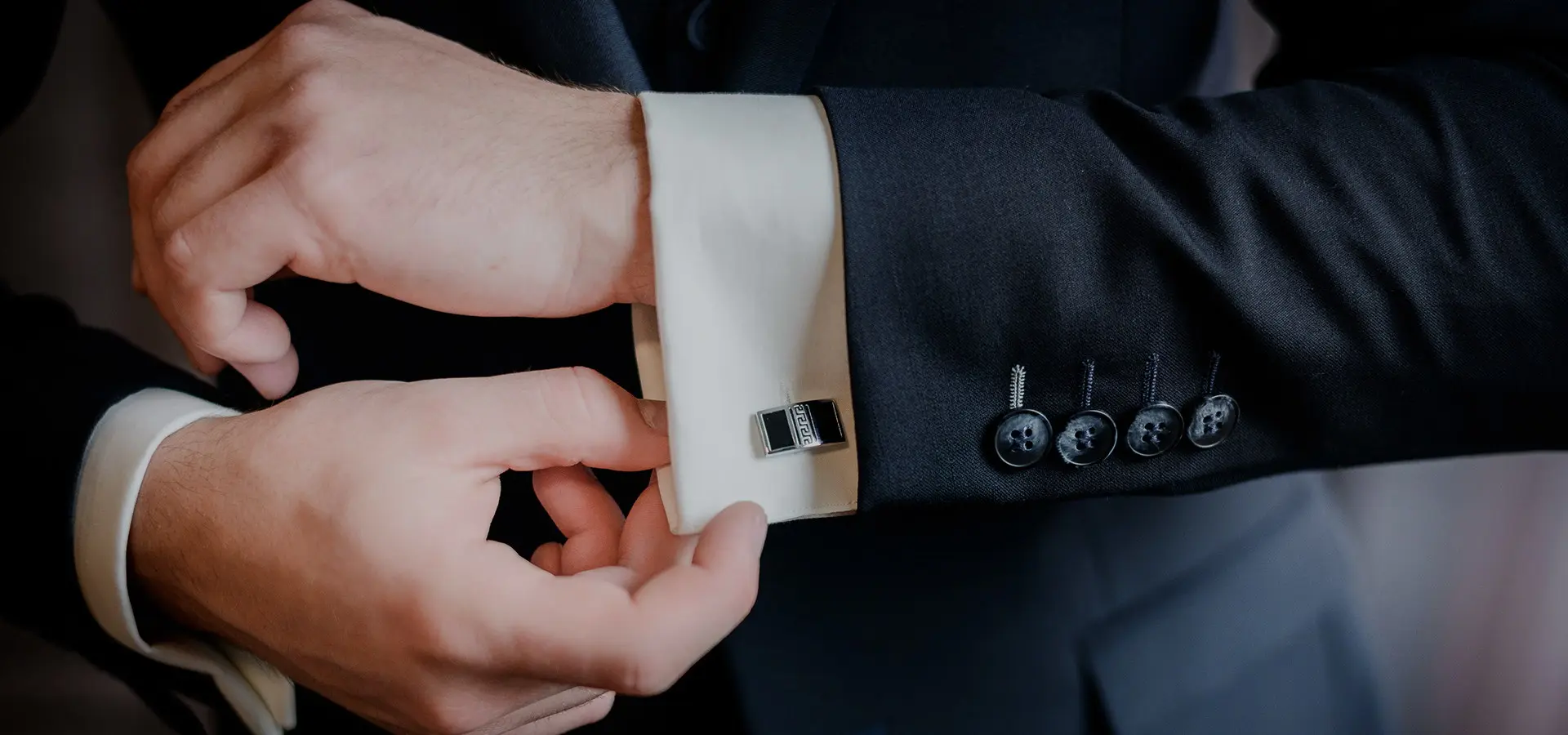
 Business Suits
Tailored suit closures shape clean garment lines and support traditional tailoring requirements, directly elevating product styling.
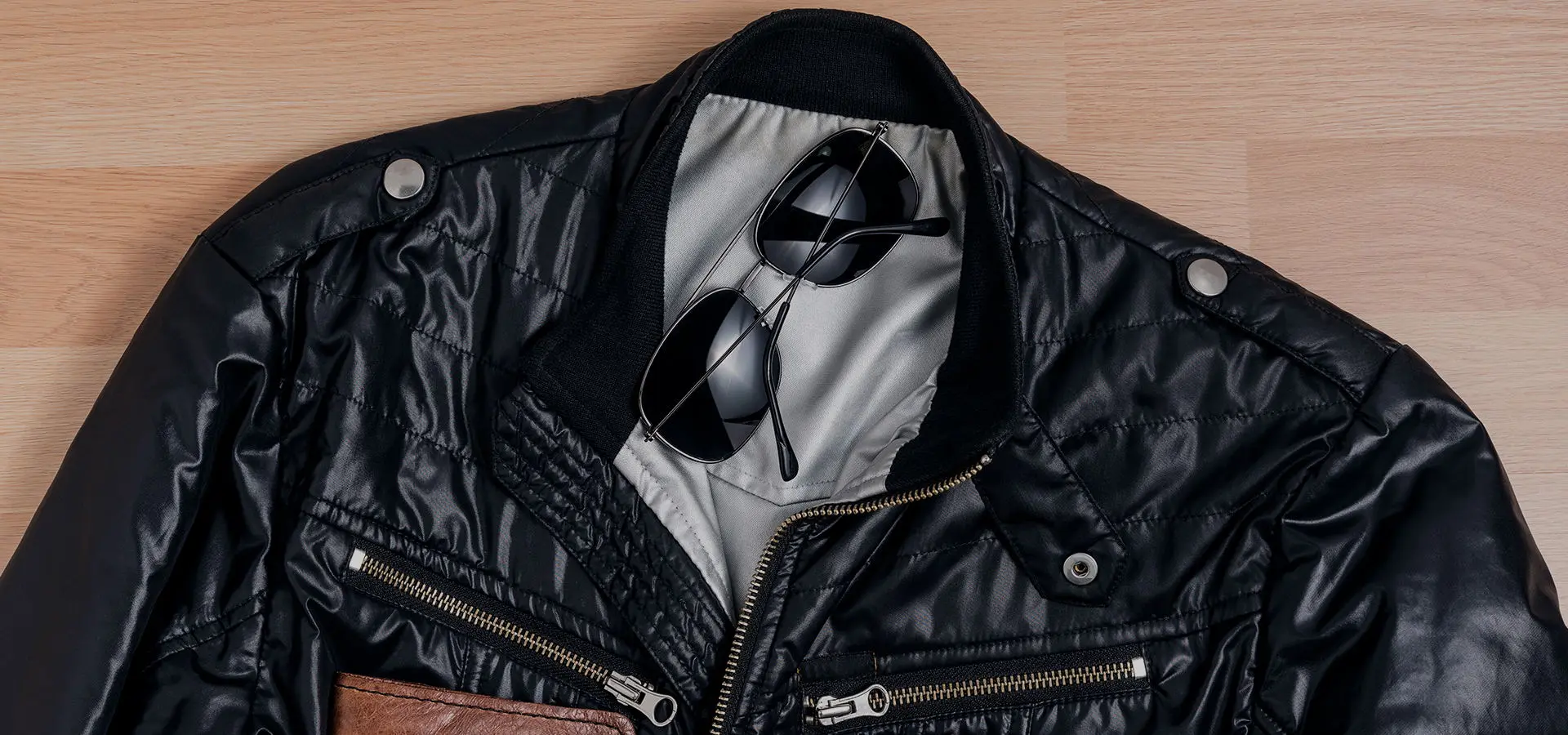
 Leather Jackets
Outerwear hardware combines high pull-off resistance with clean industrial styling, pairing perfectly with dense leather panels.
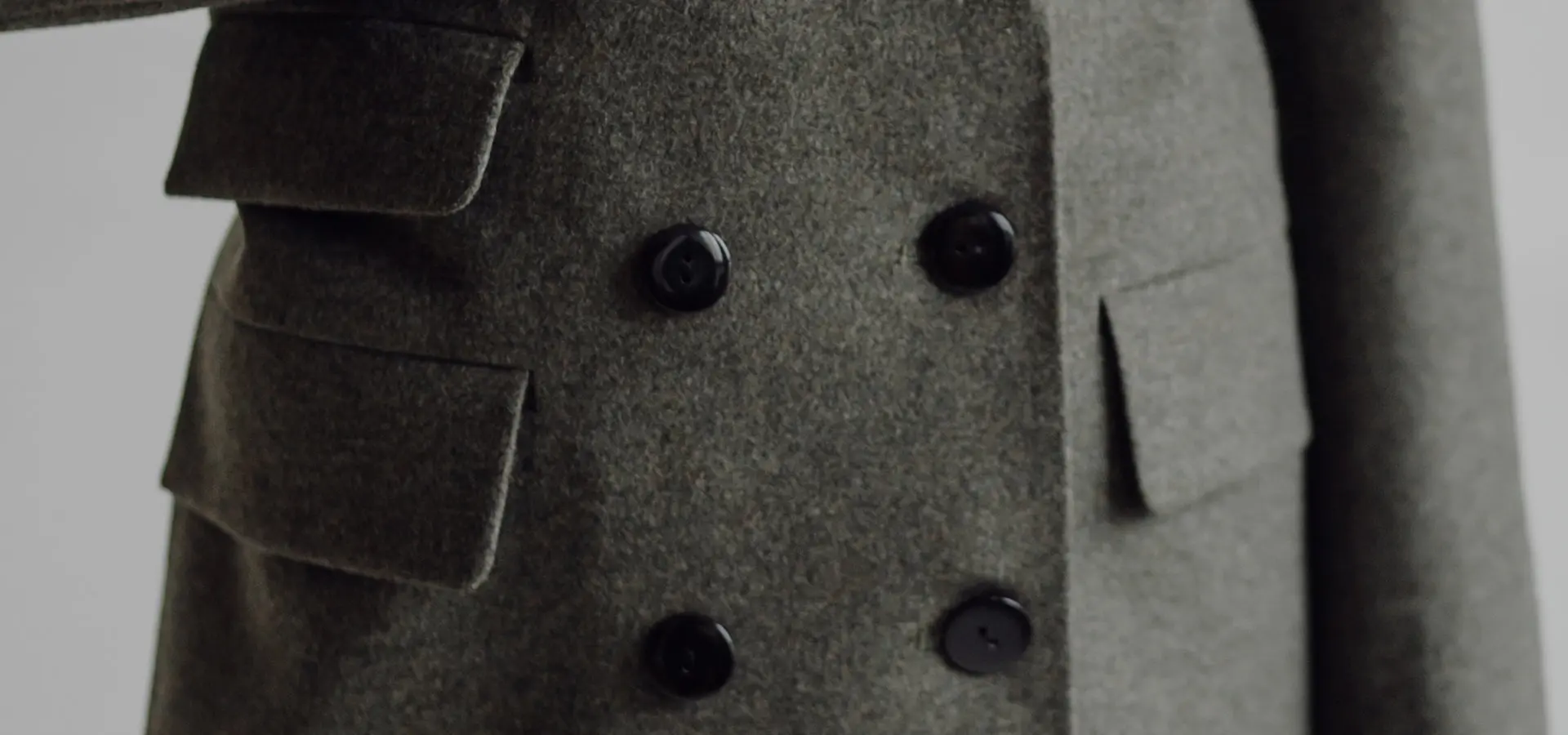
 Technical Windbreakers
Trench coat hardware stands up to wind exposure and moisture, offering durable fastening in demanding conditions.
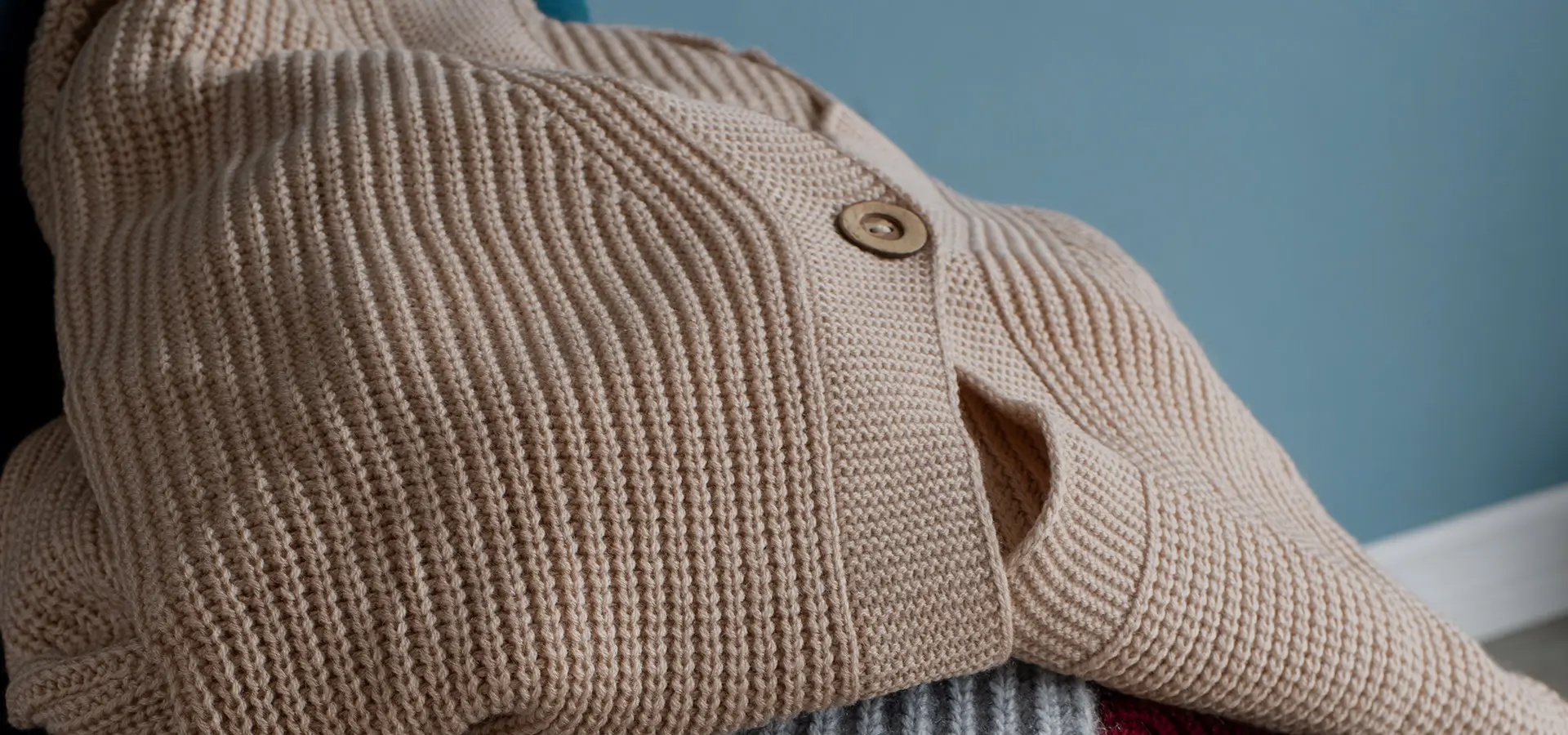
 Sweaters & Knitwear
Knitwear snaps use lightweight, low-profile designs that attach securely without snagging or pulling fragile wool fibers.
As regulatory scrutiny increases across North America and the European Union, garment accessories face strict heavy metal rules. Standard lead and nickel plating methods can cause skin contact issues. To achieve certification, factories utilize nickel-free electroplating lines. In this eco-friendly process, nickel is replaced by white bronze or tin-cobalt alloys, delivering the same corrosion resistance and appearance without risking skin irritation.
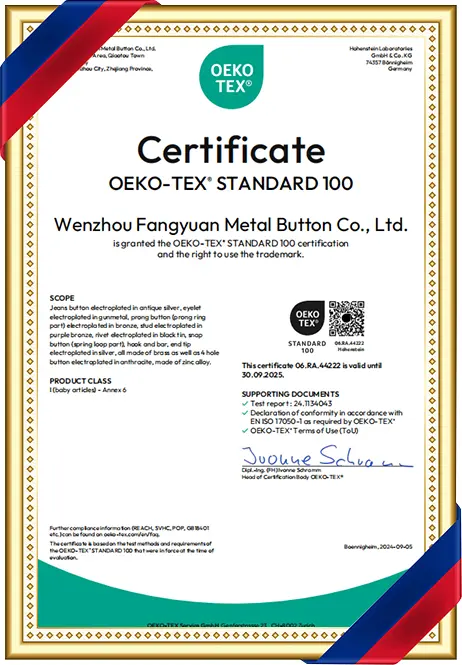
Wenzhou Fangyuan Metal Button Co., Ltd. has updated its facility processes to meet strict global certification criteria. The plant holds the ISO9001:2008 international quality system certification, complies with ISO14001:2004 environmental standards, and maintains the right to use the European Union environmental label Oeko-Tex Standard 100. This compliance keeps our production lines safe for baby wear and childrens garments, meeting the strict requirements of international retail brands.
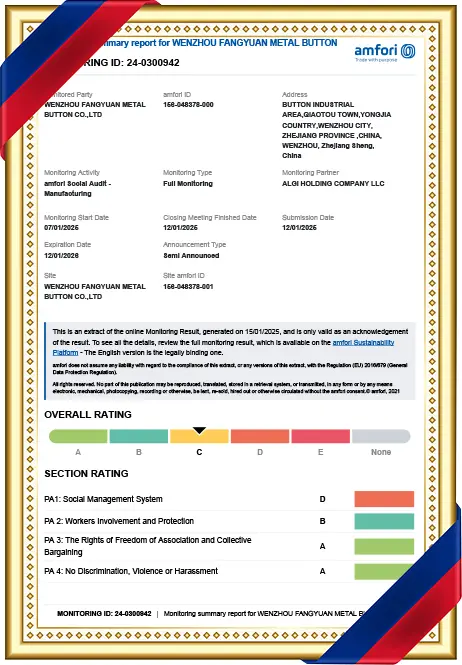
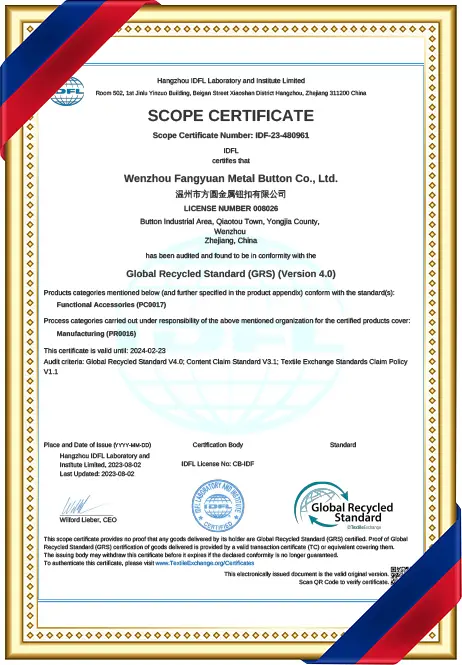
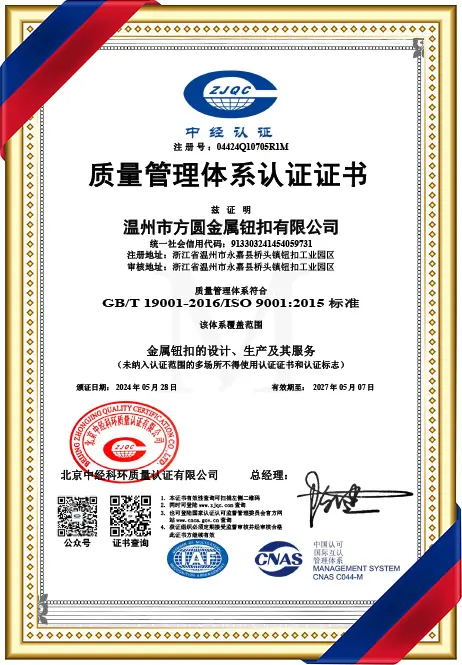
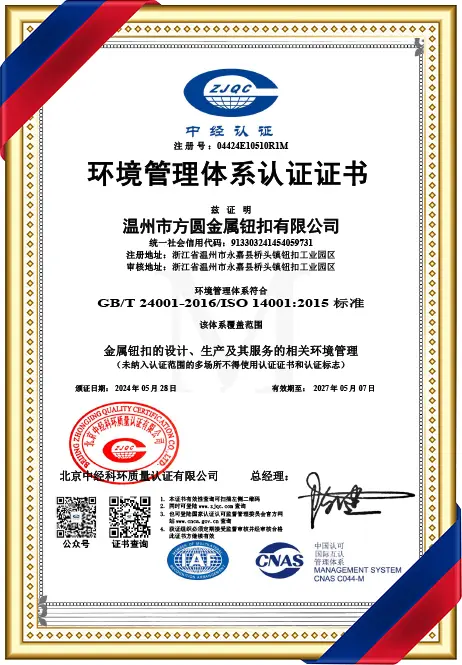
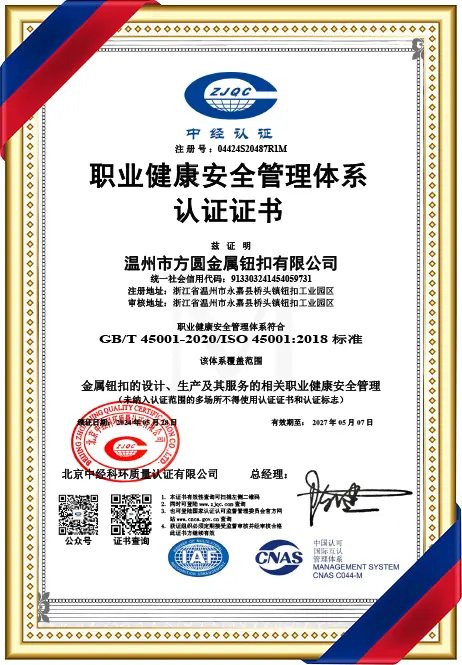
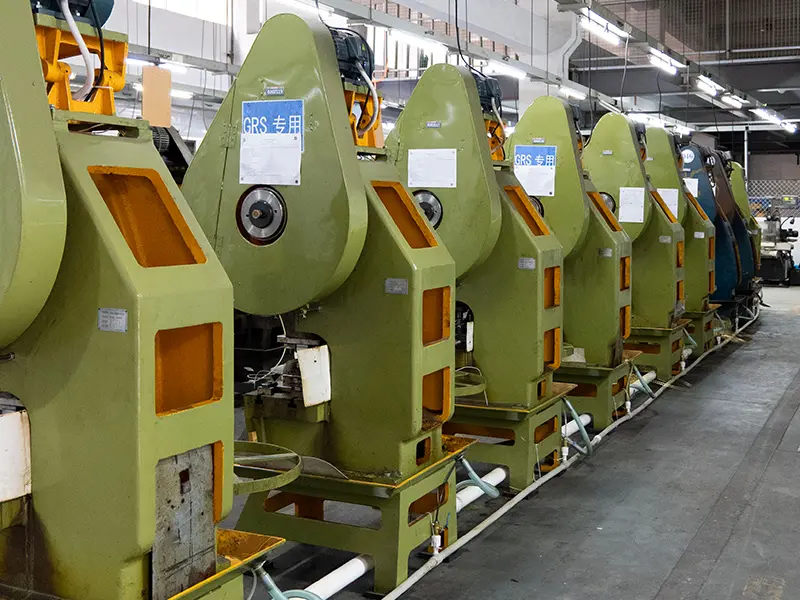
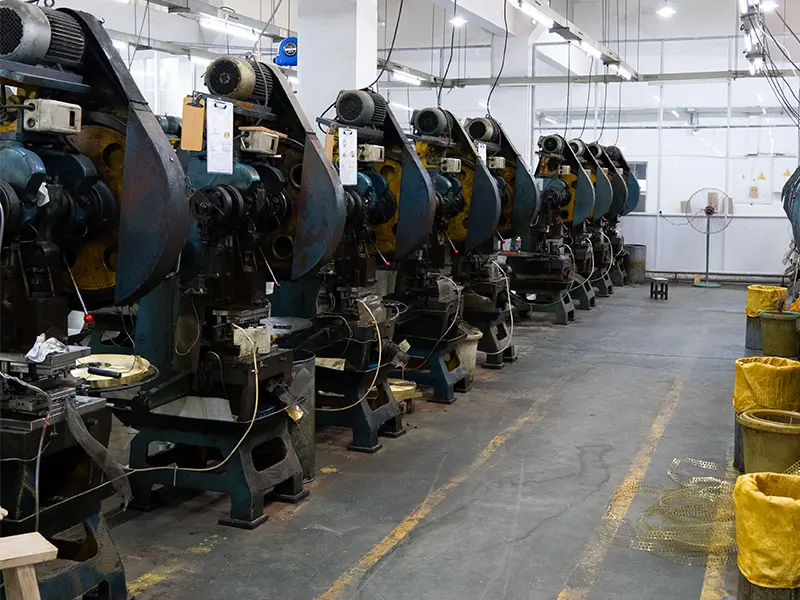
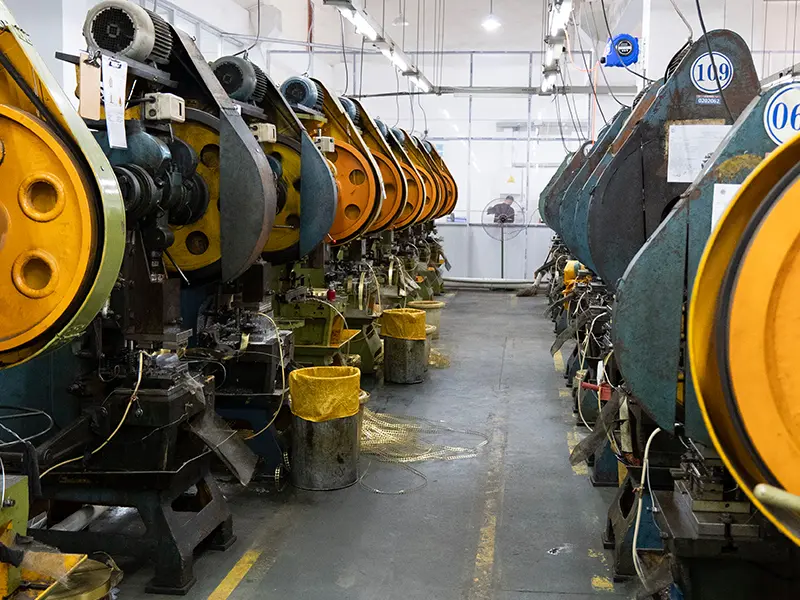
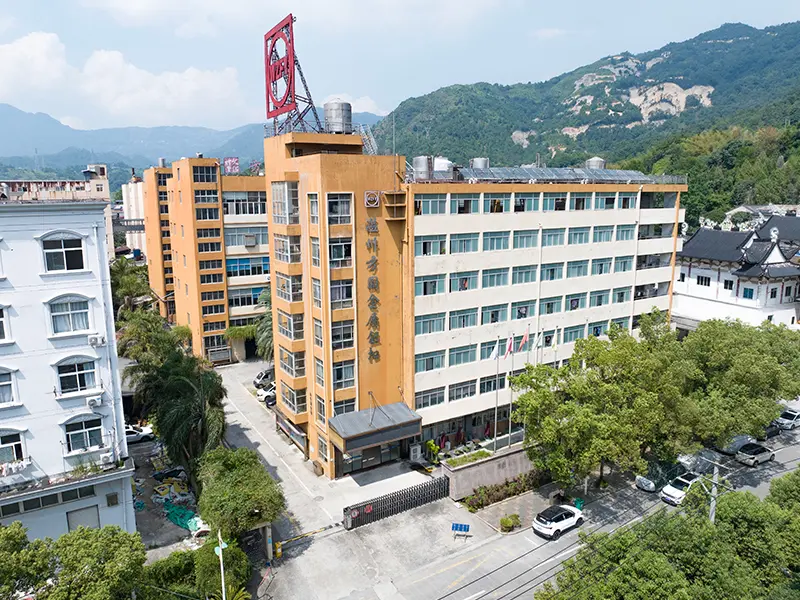
Wenzhou Fangyuan Metal Button Co., Ltd. spans a 15,000 square meter facility in Qiaotou, Wenzhou—China's primary button manufacturing hub. The company operates vertically integrated production, handling initial tool design, die casting, stamping, plating, and final sorting on site. The team includes over 90 technical and management specialists, keeping batch production consistent for global exports.
For clients needing custom hardware shapes, our design division provides support from digital mock-up to prototype testing. Customers can supply target fabrics to our labs, where we run attachment tests. We then generate pressing setup parameters (defining stroke depths and pressure limits) to help clients set up their automatic attachment lines smoothly.

Essential guidance on chemical safety, mechanical testing, and order setup
We source our alloys from verified metallurgical suppliers who provide batch certificates. All plating and coating formulations are lead-free and nickel-free, meeting REACH and Oeko-Tex Standard 100 requirements for direct skin contact, including infant wear.
We recommend that clients send us physical mock-ups of their production fabric. Our engineers run test attachments to calibrate the required die pressure and stroke clearance. This data is delivered to the client as an attachment parameter report.
Our standard MOQ is 50,000 units for iron-based components and 20,000 units for premium brass, copper, and stainless steel hardware. This structure enables us to maintain batch consistency and support stable factory pricing.
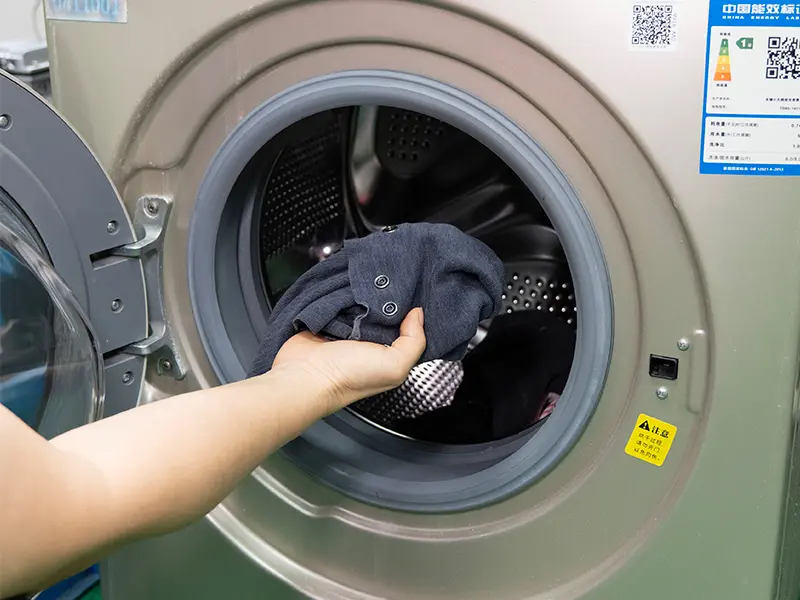
We perform regular salt spray testing in our QA laboratory. Standard electroplated parts are designed to pass a 24-hour cycle, while premium marine-grade and outerwear coatings are certified to withstand 48-hour to 96-hour salt-spray tests without corroding.
High-efficiency components engineered for automated attachment lines
 Fangyuan Metal Button