Fangyuan Metal Button
The Evolution of Bag Magnetic Snaps & Hardware Closures
Analyzing the shift from magnetic ferrite elements to Neodymium-Iron-Boron (NdFeB) technologies in global commercial hardware systems.
In the modern logistics, apparel, and luxury packaging markets, secure and efficient closures are essential. Bag magnetic snaps have evolved from simple utility closures into complex, highly engineered fasteners. Decades ago, manufacturers relied on ferrite magnets, which were bulky and weak. These older closures lacked the holding force required for heavy luggage or high-security commercial applications.
Today, the industry uses sintered Neodymium-Iron-Boron (NdFeB) alloys. These materials allow a smaller footprint while delivering several times the magnetic force. NdFeB magnetic snap assemblies can support heavy leather bags, industrial protective wear, and high-frequency closures. This material change has revolutionized how designers approach structural dynamics in luxury goods and tactical backpacks alike.
Key Technical Insight: Energy Density in Modern Closures
Modern magnetic snaps use NdFeB grades from N35 to N52. This gives designers high magnetic energy density. Because of this, fasteners can be kept incredibly thin without losing their holding force. This makes them ideal for sleek luxury bags where visible hardware needs to be minimal.
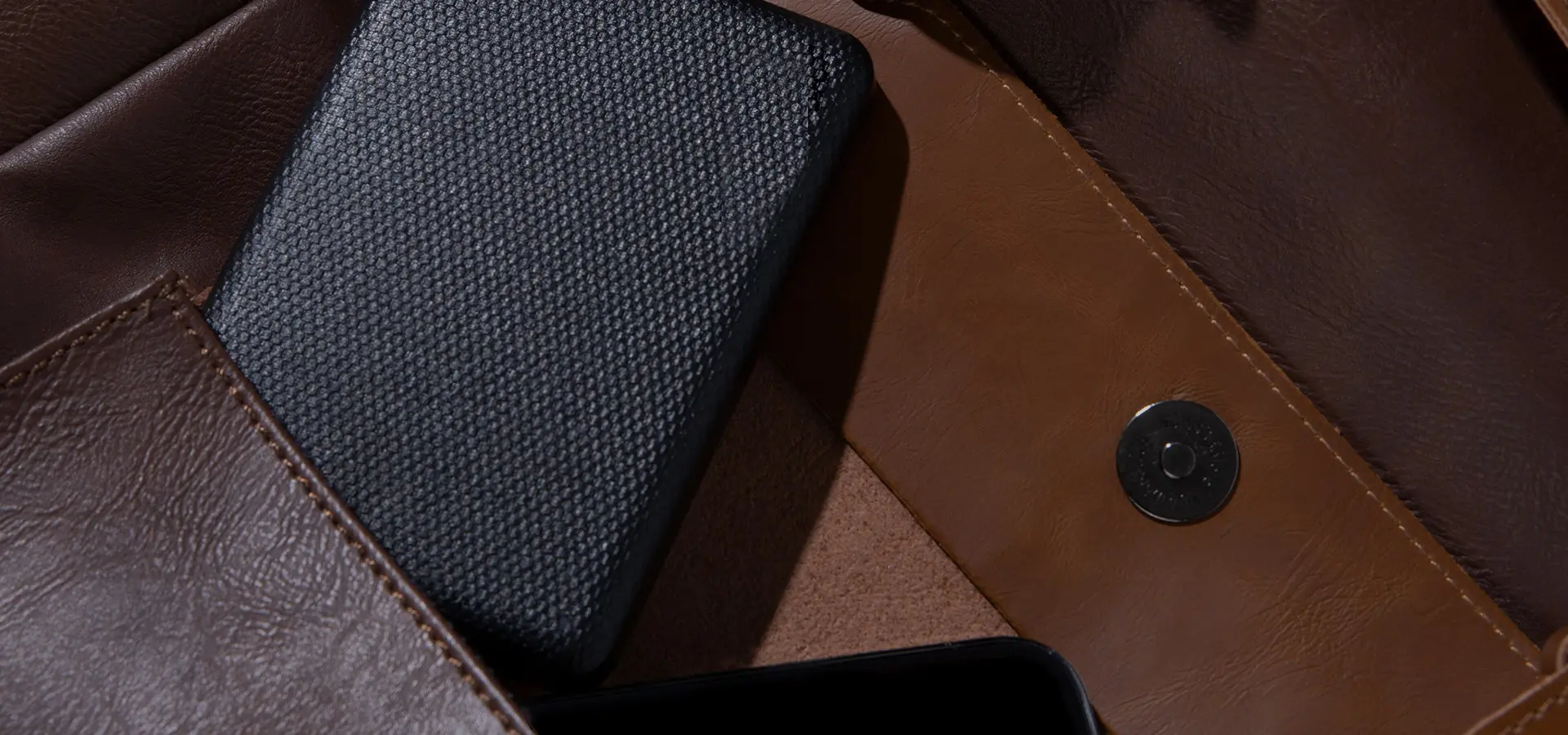
At Wenzhou Fangyuan Metal Button Co., Ltd., we combine these magnetic technologies with precision metal housings. This ensures clean, reliable closures across our entire product range. By optimizing the magnetic flux path, we reduce magnetic interference. This helps protect credit cards and smartphones, resolving a common consumer concern with magnetic bag fasteners.