In today's sustainable fashion landscape, Oeko-Tex Certified Metal Buttons are gaining critical attention. These buttons play a vital role in ensuring product safety and sustainability. As consumers become more eco-conscious, brands face pressure to use certified materials. According to a report by the Global Fashion Agenda, sustainable practices can significantly influence purchasing decisions, with 66% of consumers considering sustainability during their buying process.
The Oeko-Tex certification specifically evaluates harmful substances in textiles. It assures that the buttons are free from toxic chemicals and environmentally damaging materials. Choosing Oeko-Tex Certified Metal Buttons not only enhances product safety but also elevates brand credibility. Consumers trust brands that prioritize safety and transparency; a notable study by McKinsey shows that 67% of global consumers are more loyal to brands committed to sustainability.
However, selecting the right buttons requires careful consideration. Not all Oeko-Tex certifications are equal; brands must thoroughly research their suppliers. In a market overflowing with options, ensuring authentic certification can be challenging. Moreover, manufacturers must balance quality, cost, and ethical considerations. Reflecting on these elements is critical for making informed decisions in product development.
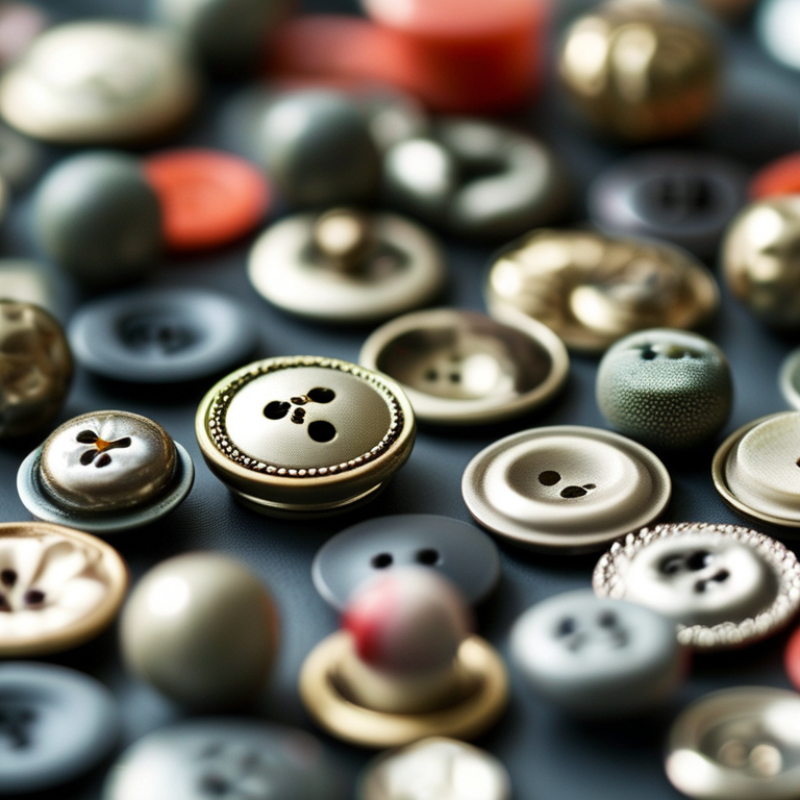
Understanding Oeko-Tex certification is vital when selecting metal buttons. Oeko-Tex is a globally recognized certification system for textiles. It ensures that products are free from harmful substances. According to the Oeko-Tex Association, around 200,000 products are certified each year. This highlights the importance of choosing certified items for safety and compliance.
When it comes to metal buttons, the certification guarantees that they do not contain heavy metals or other toxic chemicals. These elements can be harmful to both consumers and the environment. Reports indicate that 30% of consumers are willing to pay more for certified products. This trend emphasizes the growing demand for sustainable and safe options.
**Tips**: Always check the certification number on the product tag. Verify it on the Oeko-Tex website to ensure authenticity. Consider the impact of non-certified buttons on health and fashion sustainability. Make informed choices for your products. Remember, not all metal buttons are created equal. Scrutinizing quality can lead to better long-term outcomes for both consumers and businesses.
When selecting metal buttons for Oeko-Tex certification, several key factors come into play. The choice of materials is critical. Oeko-Tex requires that the materials used in metal buttons do not contain harmful substances. Reports indicate that 1 in 3 textiles tested can fail Oeko-Tex standards due to unsafe chemical content. Ensuring that the metal is sourced responsibly is just as important. Look for suppliers who adhere to environmentally conscious practices.
Additionally, durability is essential. Metal buttons should withstand various stresses from washing and wearing. Research shows that metal buttons made from higher quality alloys can last significantly longer. Some experts recommend a focus on the thickness and finishing of buttons. A robust finish not only boosts longevity but also enhances the overall aesthetic appeal.
Tips: Always request a compliance certificate from your supplier. This document confirms that their products meet Oeko-Tex standards. Testing samples before mass production can help identify any potential issues. Analyzing the supply chain for transparency can prevent future inconsistencies in quality. It's a good practice to periodically re-evaluate certification status with changing regulations.
When selecting Oeko-Tex certified metal buttons, finding trustworthy suppliers is crucial. A reliable supplier not only guarantees product quality but also ensures compliance with environmental standards. Begin by researching potential suppliers' past work. Check if they regularly provide Oeko-Tex certified products.
Networking with industry professionals can lead to valuable referrals. Attend trade shows and workshops focused on sustainable fashion. Conversations with peers often reveal hidden gems in the supply chain. Pay attention to reviews and testimonials from existing customers. This insight can help you discern which suppliers are reputable.
Uncertainties may arise during your selection process. Some suppliers might not fully understand Oeko-Tex requirements. Others may offer subpar customer service. It's wise to ask questions and clarify any doubts before making a commitment. Trust your instincts, but also look for documentation. Transparency is a good sign of a committed supplier.
When choosing metal buttons, quality and durability are crucial. Oeko-Tex certified buttons ensure they meet safety standards. This certification also indicates the materials are free from harmful substances. The buttons can withstand wear and tear, making them ideal for various products.
Research from the Apparel Industry Association suggests that 75% of customers prefer products made with sustainable materials. Metal buttons that pass rigorous durability tests tend to have a longer lifespan. For instance, those made from zinc alloys resist corrosion and maintain their sheen. However, not all suppliers provide detailed test results. Transparency is necessary to assess button longevity effectively.
Careful consideration is essential when selecting metal buttons. Some products might offer attractive pricing but lack quality. Research indicates that poor-quality buttons can lead to premature product failure. This reflects poorly on your brand. Assessing the robustness of these components is non-negotiable. Engage with manufacturers that prioritize detailed quality reports. Your customers deserve products that last, and the right buttons can make a significant difference.
When selecting Oeko-Tex certified metal buttons, ensuring compliance is vital. The certification demonstrates that materials are safe for human use. To maintain Oeko-Tex standards in production, several steps are essential.
Start with thorough supplier assessments. Verify if suppliers provide valid Oeko-Tex certifications for their materials. Request updated documentation regularly to maintain compliance. This can create trust within the supply chain. It’s important to document every step and maintain records of communications.
Next, consider using multiple testing methods. While Oeko-Tex provides a framework, independent testing boosts credibility. Conducting additional tests can reveal issues with materials. Reflect on your production processes; even small changes can impact compliance.
Tips: Train your team on Oeko-Tex standards. Knowledgeable staff can help identify potential compliance issues. Regularly review your suppliers and their practices. Consider scheduling audits. These actions can ensure your products meet the highest safety standards while enhancing brand reliability.
| Feature | Description | Importance |
|---|---|---|
| Material Composition | Buttons made from environmentally friendly materials. | Ensures safety for consumers and reduces environmental impact. |
| Durability Testing | Tests are performed to ensure buttons can withstand wear and tear. | High durability extends the life of products and enhances customer satisfaction. |
| Chemical Safety | Certification ensures that no harmful chemicals are present. | Protects user health and aligns with legal standards. |
| Supplier Transparency | Suppliers should provide clear information about materials and processes. | Facilitates responsible sourcing and accountability. |
| Design and Aesthetics | Buttons must meet design specifications while being functional. | Enhances overall product appeal and user experience. |
: Oeko-Tex certification ensures textile products are free from harmful substances.
Certified buttons prevent exposure to toxic chemicals. This helps protect consumers and the environment.
Check the certification number on the product tag. Verify it on the Oeko-Tex website.
Zinc alloys are common for their corrosion resistance and lasting sheen.
Regular assessments are crucial. Request updates on Oeko-Tex certifications consistently.
They may contain harmful elements. This can negatively impact health and brand reputation.
Document every process step, communicate with suppliers, and maintain records.
Poor-quality buttons can lead to product failure, damaging your brand image.
Use independent testing alongside Oeko-Tex checks. It reveals potential material issues.
Knowledgeable staff identify compliance issues early. Regular training keeps standards high.
In today's sustainable fashion landscape, choosing Oeko-Tex Certified Metal Buttons is essential for ensuring that products are made with environmentally friendly and safe materials. Understanding Oeko-Tex certification is crucial, as it signifies that the buttons have passed rigorous testing for harmful substances, thereby ensuring consumer safety and promoting responsible manufacturing practices.
When selecting Oeko-Tex Certified Metal Buttons, key factors to consider include the material composition, the quality and durability of the buttons, and the reputation of suppliers. Identifying trustworthy suppliers who adhere to Oeko-Tex standards is vital for maintaining product integrity. Additionally, businesses must implement steps to ensure compliance with Oeko-Tex requirements throughout the production process, thus reinforcing their commitment to sustainability and consumer health.
Fangyuan Metal Button